Ash vs Maple Cue Shafts: Debunking the Myths and Matching Wood to Your Table
· Mark O'Sullivan
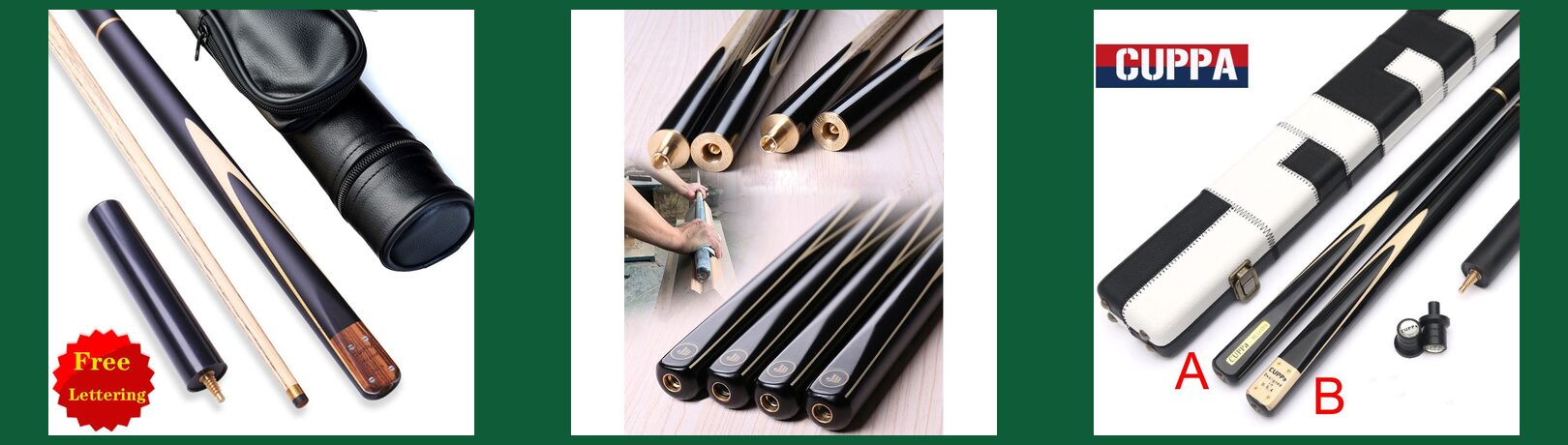
Walk into any club and you'll hear it repeated as gospel: ash is for real snooker players, maple is for pool, and never the twain shall meet. Like most bar-room wisdom, there's a grain of truth in there — and a lot of nonsense wrapped around it. If you're about to spend your money, it pays to know which is which.
This isn't another mystical piece about "feel". It's a straight look at what the two woods actually do, the myths worth ignoring, and a handful of affordable cues that show how each shaft plays.
What actually differs between ash and maple
Both are hardwoods, both make excellent cues, and both have been used at the very top of the game. The real differences are visual and tactile rather than magical.
- Ash has open, arrow-shaped grain lines — those familiar "chevrons" running down the shaft. Many players use them as a visual aiming reference, lining the arrows up towards the cue ball.
- Maple has a much finer, subtler grain and a paler, more uniform look. It tends to feel smoother and slightly "deader" through the bridge hand, which some players find calming.
Ash is the traditional choice for snooker, maple for American pool — but that's convention, not law. The wood matters far less than the taper, the weight and, above all, the tip.
Three myths worth dropping
"Maple is a beginner's wood"
No. Maple shafts appear on plenty of serious pool cues and are prized for their consistent feedback. If you like a clean, quiet hit, maple can suit you at any level.
"Ash gives you more power"
Power comes from technique and tip contact, not species. Ash's grain gives clearer visual feedback and a slightly livelier feel to some players, but it won't add pace on its own.
"Two identical cues will play the same"
Even two ash shafts from the same batch differ. Grain spacing, density and taper all vary. This is exactly why you should never buy on wood type alone.
Which should you choose?
Ask yourself three questions:
- What are you playing? Snooker on a big table leans towards ash; nine-ball and eight-ball leans towards maple, though either works.
- Do you use the grain to aim? If yes, ash's visible arrows are a genuine help. If you never look at the shaft, maple's plain face won't bother you.
- What feel do you like? Ash tends to feel crisper and more "talkative"; maple feels smoother and more muted. Try both if you possibly can.
Ash cues worth considering
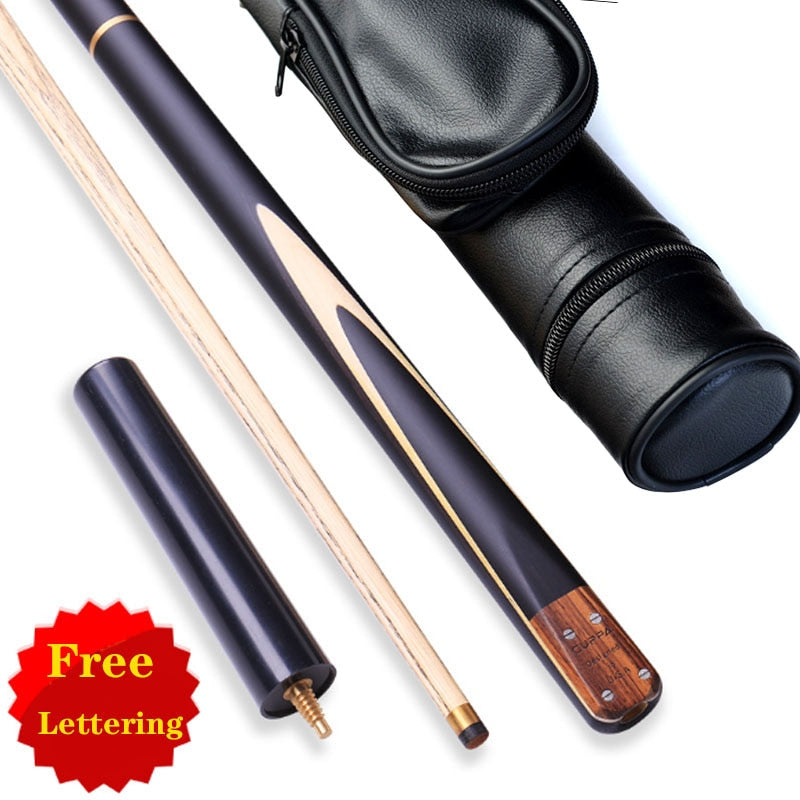
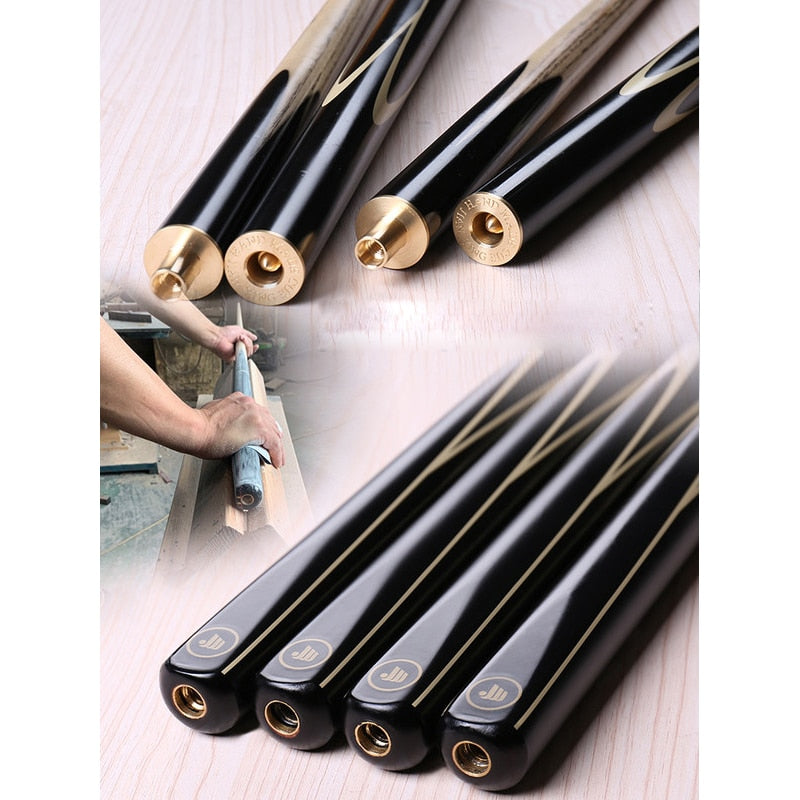
For a traditional snooker feel with that classic chevron grain, the NEW Cuppa Ash Wood 3/4 Snooker Cues Stick Case Set Billiard 9.8mm 11.5mm Tips is a sensible 3/4-jointed option that arrives with a case and covers the popular tip sizes. If you want something a touch more contemporary, the 2022 New Billiards JIAN YING SD Series Snooker Cue 10mm Tip Ash Shaft Snooker Cue Case Set pairs an ash shaft with a slightly larger 10mm tip, which some players prefer for extra confidence on the strike.
Prefer the American pool format but still want ash grain to aim by? The 2021 CUPPA 813 Ash Forelimbs Pool Cue Stick Pool Case Set 9.8mm 11mm Black China bridges the two worlds with an ash forelimb and a pool-style build.
Maple cues worth considering
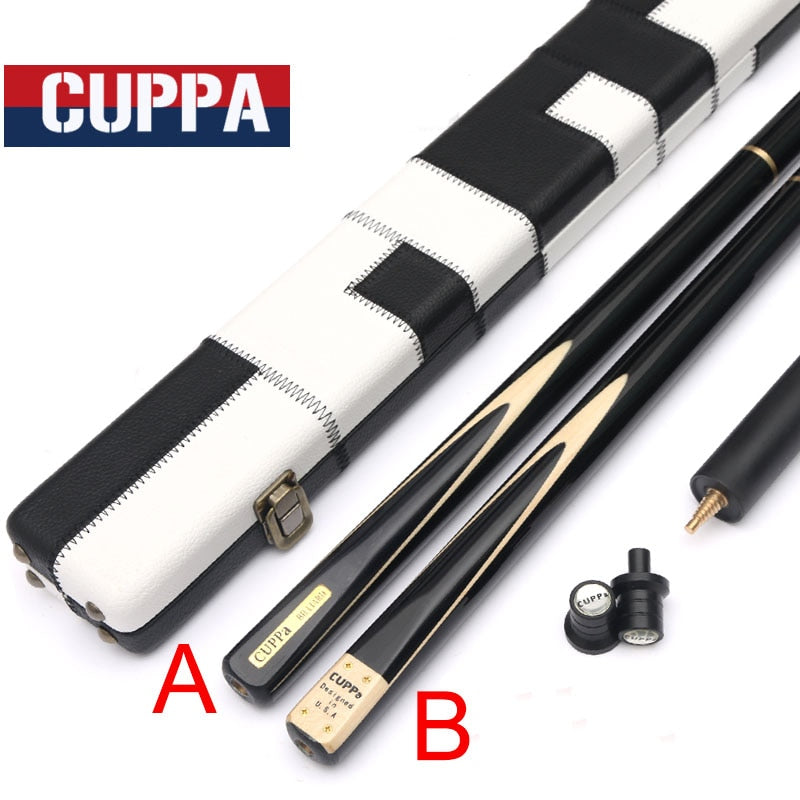
If you're drawn to maple's cleaner, quieter feel on the snooker table, the Cuppa Handmade 3/4 Snooker Cue Case Set A/B Type Snooker Cues 9.8mm Bright Paint Cracking Prevention Maple Shaft China is a maple-shafted 3/4 cue with an anti-cracking finish — useful reassurance for imported cues that will meet UK central heating. For dedicated pool players, the CUESOUL 58" 19oz DS Maple Pool Cue Stick Set with 2 Shaft,13mm Tip Hard Cue Case 1x1(Cue Set and Cue Shaft only for your choice) offers the classic 13mm maple setup and a spare shaft, which is a genuinely handy thing to have.
And if you fancy sidestepping the debate entirely, the CUPPA New Arrival Little Monster Carbon Billiard Snooker Cue Stick 10.2mm Tip with Snooker Cue Case Set shows where the market's heading: a carbon shaft that ignores grain and humidity altogether. It's a different feel again — worth knowing about even if you stay loyal to wood.
A quick side-by-side
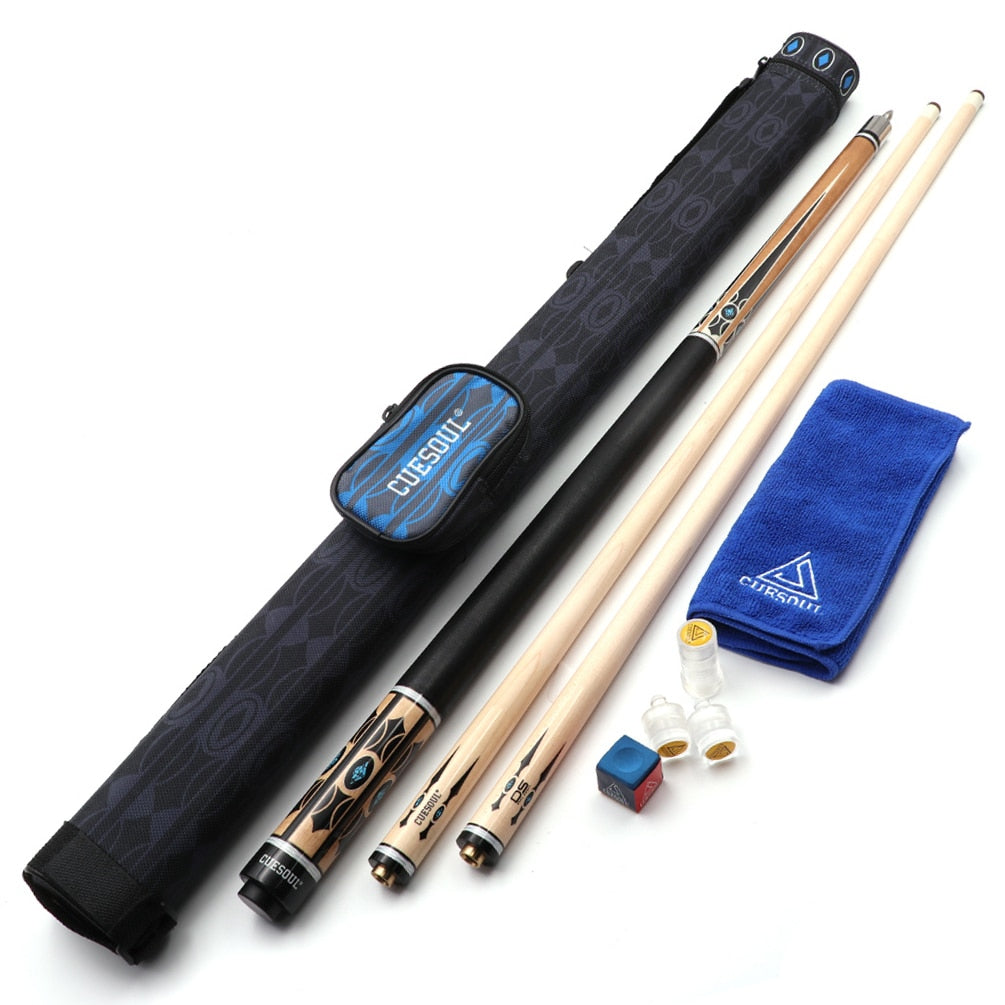
Setting expectations
Most cues at this price point are imported and mass-produced, so expect some variation between individual sticks. Roll the shaft on a flat surface to check for warping when it arrives, and give any new cue a week or two to settle in a stable, dry room. A cracking-prevention or lacquered finish helps, but no wooden cue enjoys a radiator or a cold garage.
The bottom line
Ash or maple is a preference, not a performance contest. Choose ash if you like visible grain to aim by and a crisper, livelier feel; choose maple if you prefer a smoother, quieter hit. Then spend your attention where it actually counts — a well-fitted tip, the right weight, and a taper that suits your hand. Get those right and either wood will serve you for years.