Ash vs Maple Cue Shafts: The Complete Guide
Published · Updated · Mark O'Sullivan

Ash gives crisp feedback and a grain to sight along; maple gives a smoother, stiffer feel. Neither is better, only different.
Why this debate never really ends
Walk into any snooker club and you'll hear it sooner or later: ash or maple? It's one of the first proper decisions you make when buying a cue, and it shapes how the cue looks and feels for years. Both are traditional hardwood shafts, both have produced world champions, and the honest truth is that neither is objectively "better" — only better suited to your eye, your hands and the game you actually play. This guide pulls together everything worth knowing so you don't have to piece it together from a dozen forum threads.
What's actually different about the two woods
Both ash and maple are hardwoods chosen for their straightness and stiffness, but they behave a little differently under the bridge hand and look quite different on the shelf.
- Ash shows long, open grain lines running the length of the shaft, giving each cue a distinctive striped "chevron" or "arrow" pattern, sometimes called the spine. It tends to feel slightly more flexible and gives plenty of tactile feedback through the stroke, transmitting a lot of information about how cleanly you've struck the ball.
- Maple has a much finer, almost plain grain with faint speckling rather than bold lines, so the shaft looks pale, creamy and uniform. It's generally a touch stiffer and feels smoother — many players describe the hit as quieter or more "cushioned".
Ash has long been the traditional choice in snooker, which is why most classic-looking cues are ash. In pool — particularly American pool — maple dominates almost universally. That split is largely heritage and habit rather than rule, but the feel genuinely differs enough that it's worth handling both if you get the chance.
Reading the grain
The famous "ash arrow" is that chevron pattern running up the shaft. Many players use it as a natural sighting reference, rotating the cue so the arrows sit on top and give a consistent visual line every time they get down on a shot. Maple's fine speckle offers nothing to sight along, which some players find calming rather than a loss — if a busy grain pattern distracts you, a plain face can help you focus purely on the tip and your alignment. Using the grain to aim is entirely optional either way; plenty of good players ignore it completely and pot just fine.
Whichever wood you're looking at, a few things are worth checking on any shaft: straight, even grain that runs the length of the shaft rather than diving off to one side, and no dead spots or filler under the finish. Wood is a natural material, so even two shafts of the same species from the same batch will differ slightly in density and taper — that's normal, not a fault.
Feel and feedback at the table
This is where personal preference does most of the work. Ash players often say the crisper, more "connected" feel helps them judge the weight of safety shots and delicate positional play, sensing exactly what the tip has done to the cue ball — screw, stun or swerve. If you're a touch-based player who lives on safety exchanges, that extra feedback can be genuinely useful.
Maple's smoother surface and stiffer response appeal to players who want a clean, predictable, slightly muted hit with less perceived vibration. If you play with a firmer, more attacking cue action, or you're crossing over from pool, that polished feel often suits you nicely.
Neither wood is more accurate in the right hands, and a shaft swap alone won't add points to your break. Most players adapt to whichever wood they own within a few weeks, and consistency of practice matters far more than the species of timber. The tip arguably affects your game more than the shaft wood does — a quality replacement like the Japanese Original KAMUI Clear Cue Tips Billiard Pool Cue KAMUI Tip 14mm SS/S/M/H Snooker Tip Brown 11mm M/MH Billiard Accessory can transform an otherwise modest cue far more than any change of shaft wood.
Looks and maintenance
If you love a cue that shows character, ash wins on looks for many players — no two grain patterns are identical, and ash darkens and mellows with handling over the years. The flip side is that those open grain lines can pick up chalk and grime, so ash benefits from occasional cleaning and a light burnish.
Maple's pale, even surface looks tidy and modern and takes paint and finishes cleanly, but it shows dirt and finger marks more readily and rewards regular wiping. Neither wood is maintenance-free. A glove helps keep both shafts smooth and slows the build-up of oils from your hand, and a simple 1/2/3pcs Professional Billiard Pool Cue Burnisher Cleaner Polisher Home Cleaning Snooker Pole Training Pool Ball Accessories takes seconds to use and keeps either wood running fast and true.
Store the cue upright or flat, never leaning at an angle against a wall, and keep it away from radiators, damp and cold garages — both woods can warp if neglected, though a cracking-prevention or lacquered finish (common on affordable maple cues) helps guard against it.
Ash cues worth considering
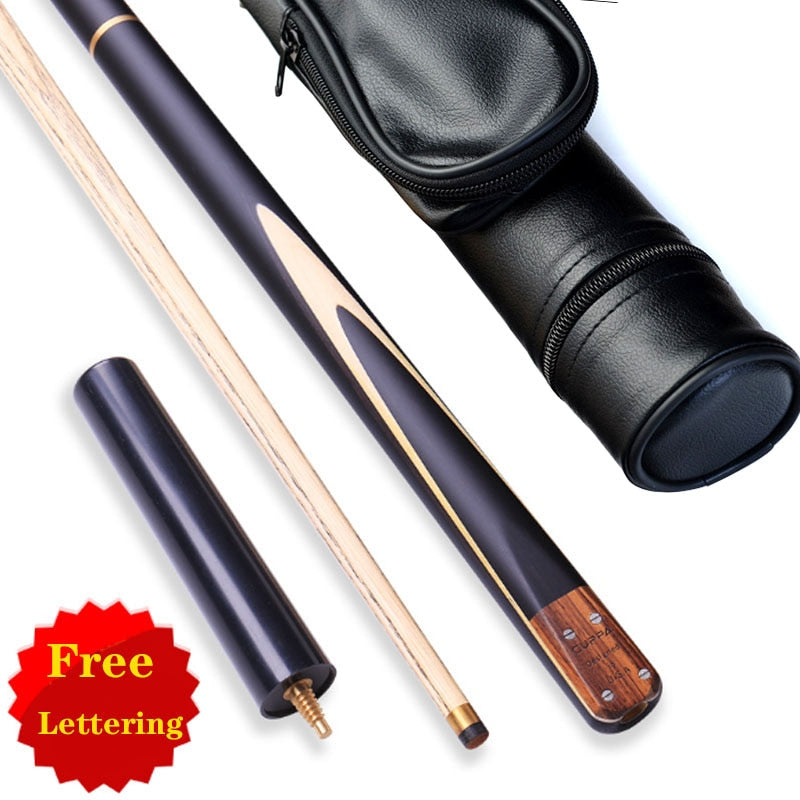
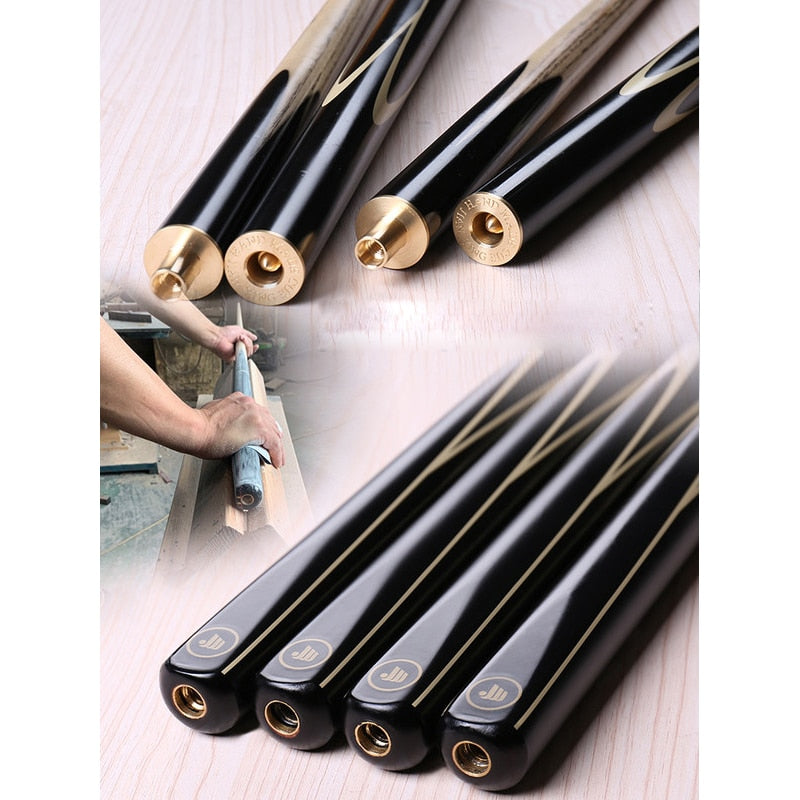
For a traditional snooker feel with that classic chevron grain, the NEW Cuppa Ash Wood 3/4 Snooker Cues Stick Case Set Billiard 9.8mm 11.5mm Tips is a sensible 3/4-jointed option that comes as a set with a case, making it a tidy first "proper" cue. If you prefer a pool-leaning cue that still keeps that striped ash look, the 2021 CUPPA 813 Ash Forelimbs Pool Cue Stick Pool Case Set 9.8mm 11mm Black China offers a darker, more contemporary finish. There's also the 2022 New Billiards JIAN YING SD Series Snooker Cue 10mm Tip Ash Shaft Snooker Cue Case Set, which pairs an ash shaft with a 10mm tip — a good middle-ground size if you're unsure where to start.
Maple cues worth considering
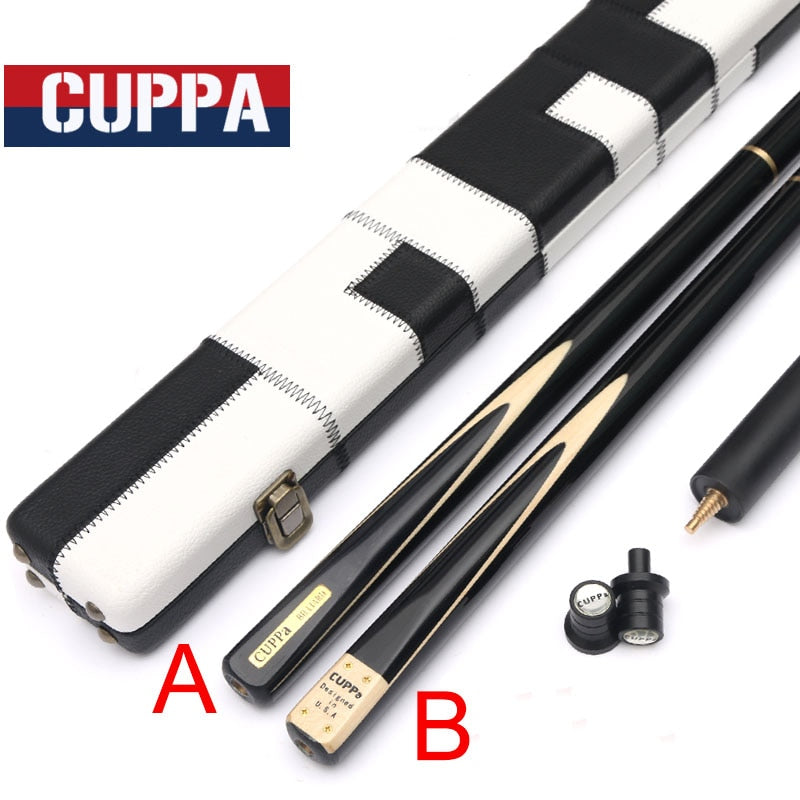
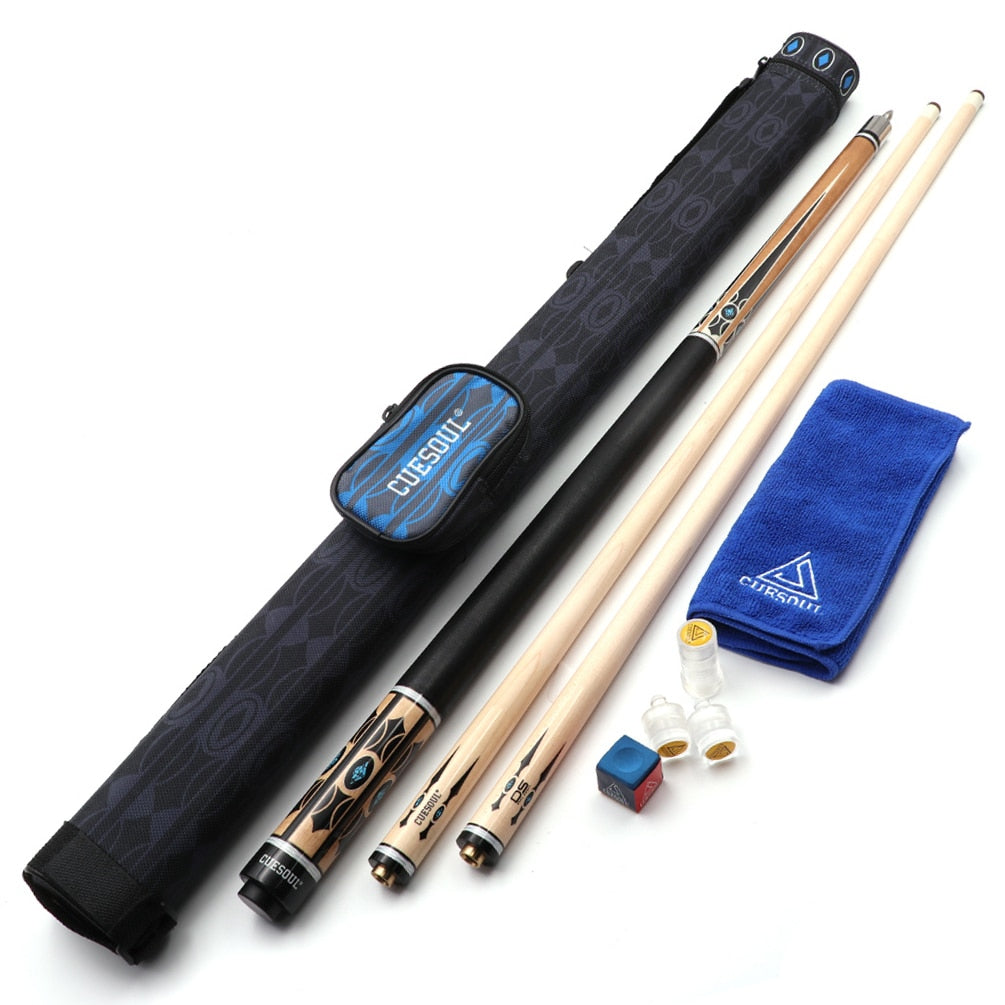
If you're drawn to the pale, smooth maple feel — particularly for pool — the CUESOUL 58" 19oz DS Maple Pool Cue Stick Set with 2 Shaft,13mm Tip Hard Cue Case 1x1(Cue Set and Cue Shaft only for your choice) is a full set with two shafts and a hard case, handy if you want a spare or want to compare tip sizes. For snooker players curious about maple, the Cuppa Handmade 3/4 Snooker Cue Case Set A/B Type Snooker Cues 9.8mm Bright Paint Cracking Prevention Maple Shaft China offers a maple shaft with anti-cracking lacquer, useful reassurance for an imported cue meeting UK central heating.
Quick comparison
Three myths worth dropping
"Maple is a beginner's wood"
No. Maple shafts appear on plenty of serious pool cues and are prized for consistent feedback. If you like a clean, quiet hit, maple can suit you at any level.
"Ash gives you more power"
Power comes from technique and tip contact, not species. Ash's grain gives clearer visual feedback and a livelier feel to some players, but it won't add pace on its own.
"Two identical cues will play the same"
Even two ash shafts from the same batch differ slightly in grain spacing, density and taper. That's exactly why buying on wood type alone isn't enough — weight, taper and tip matter just as much.
What about carbon?
You'll increasingly see carbon-fibre shafts marketed as the low-maintenance modern option. They resist warping, don't need the same care as wood, and offer very consistent feedback and low deflection, though they feel quite different and split opinion sharply. If you're curious, the CUPPA New Arrival Little Monster Carbon Billiard Snooker Cue Stick 10.2mm Tip with Snooker Cue Case Set is a way to sample the technology without a professional-grade price tag. For most traditional players, though, ash or maple remains the natural home.
A note on expectations
Most cues in this price bracket are imported and handmade in batches, so finishes and grain can vary a little from one cue to the next — that's normal at this level, not a fault. What you're paying for is a perfectly usable playing cue, not a hand-spliced custom piece. Roll the shaft on a flat surface to check it's straight on arrival, give any new cue a week or two to settle in a stable, dry room, and expect to re-tip eventually. Set your expectations accordingly and you'll be very happy; expect tournament-grade tolerances and you may be disappointed.
So, which should you choose?
Choose ash if you play snooker, like traditional looks, and enjoy feeling feedback and seeing grain to sight along. Choose maple if you favour a smoother, stiffer, cleaner-feeling cue — especially for pool. If you genuinely can't decide, handle both if you possibly can; ten minutes of feel tells you more than any spec sheet. Then fit a tip you trust and put your practice hours in — that combination matters far more than the timber.
Frequently asked questions
Is ash or maple better for snooker?
Neither is objectively better. Ash is the traditional snooker choice and gives crisper feedback with a visible grain to sight along, while maple offers a smoother, stiffer hit and is increasingly used on snooker cues too. Try both if you can and go with what feels right.
Why do ash cues have arrow patterns?
The arrows, or chevrons, are simply the natural growth grain of the ash timber running the length of the shaft. Many players use them as a visual sighting aid, rotating the cue so the arrows sit on top, though plenty of good players ignore them entirely.
Does the shaft wood affect how hard you can hit the ball?
No. Power comes from your technique and tip contact, not the species of wood. Ash may feel livelier and maple stiffer, but neither adds pace on its own.
Which wood is easier to maintain?
Maple's pale, uniform surface shows dirt more readily but is generally considered a touch more forgiving. Ash's open grain can pick up chalk and grime, so it benefits from occasional cleaning and burnishing. Neither is maintenance-free.
Can I use a maple-shafted cue for snooker?
Yes. While ash is the traditional snooker wood, maple-shafted snooker cues are readily available and play perfectly well, offering a smoother, cleaner-feeling alternative for players who prefer it.
Is carbon fibre better than ash or maple?
It depends what you value. Carbon shafts don't warp and offer very consistent feedback regardless of humidity, but they feel quite different from wood and cost more. Traditional players generally still prefer the feel of ash or maple.
How do I know if a shaft is straight before buying?
Roll it on a flat surface such as a table or counter and watch for any wobble or gap under the shaft. It's worth doing this again when a new cue arrives, since imported cues can shift slightly in transit.
Does the wood matter more than the tip?
Generally no. A quality, well-fitted tip affects consistency and feel more than the shaft wood does, so it's worth prioritising a good tip and proper care over agonising between ash and maple.