The Bridge-Hand Glove: How to Choose a Snooker Glove and Why Players Wear Them
· Mark O'Sullivan
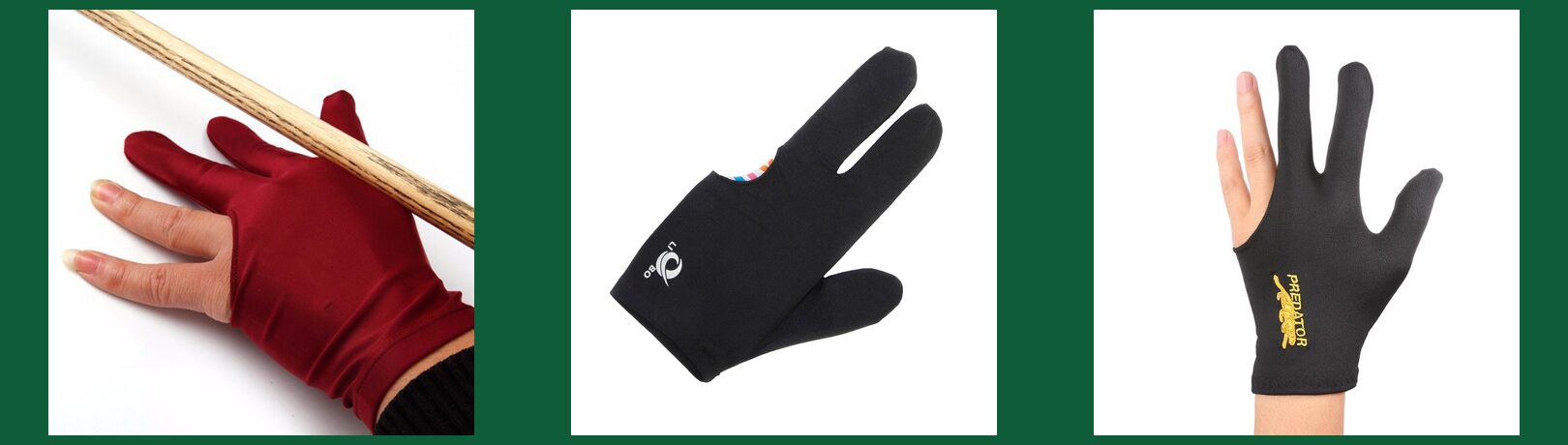
Watch any professional session and you'll spot them: those close-fitting, three-finger gloves worn on the bridge hand. To a newcomer they can look like an affectation, but the humble snooker glove solves a very real problem — a shaft that drags, sticks or squeaks across a sweaty or humid bridge hand. It's one of the cheapest upgrades in the game, and for some players it's transformational. Here's what a glove actually does, who benefits most, and how to choose the right one.
Why players wear a glove in the first place
Your cue needs to slide cleanly and consistently through your bridge on every stroke. The moment your hand becomes tacky — from sweat, warm room temperatures, hand cream or simply nervous energy — the shaft catches. That tiny hesitation at the point of delivery is enough to nudge the cue ball off line, and worse, it makes your action feel inconsistent from frame to frame.
A glove gives you a predictable, low-friction surface that behaves the same whether you're relaxed in practice or tense on a big black. The benefits, in short:
- Consistent glide: the shaft runs the same every time, regardless of humidity or nerves.
- No sticky-bridge miscues: the drag that pulls your cue off line disappears.
- A cleaner shaft: less skin oil transferred to the wood means less grime build-up over time.
- Comfort: long sessions feel smoother, with no need to keep wiping your hand.
If your hands run dry and cool and your cue already glides beautifully, you may never need one. Many club players are perfectly happy dusting a little chalk on the bridge instead. But if you've ever felt your cue stutter on delivery, a glove is worth a couple of quid to try.
Which hand, and why it matters
The glove goes on your bridge hand — the one that supports the cue, not the one that grips it. For a right-handed player that's the left hand; for a left-hander, the right. That's why so many listings specify "left hand." Before you buy, check the glove suits your handedness. Something like the 3 Finger Billiard Gloves Pool Cue Gloves for Left/ Right Hand Men/Women is offered for either hand, which saves confusion, while the Spandex Snooker Billiard Cue Glove Pool Left Hand Open Three Finger Accessory for Unisex Women and Men 4 Colors 1Pcs follows the classic left-hand snooker convention.
The three-finger design explained
Most snooker gloves are open-ended and cover only three fingers — usually the thumb, index and middle — leaving the fingertips exposed. There's good reason for this. The exposed tips let you feel the cloth and form a stable bridge, while the covered upper hand and the web between thumb and forefinger — exactly where the shaft slides — provide the glide. You get the low friction where you need it and the sensitivity where you need that instead.
The fingerless, smooth-faced style is the standard, and something like the Snooker Billiard Glove EmbroideryBillard Gloves Left Hand Three Finger Smooth Biliardo Guanti Accessories Fingerless Gloves shows the typical cut. Look for a smooth panel across the back and thumb rather than a heavily textured one.
Fit and fabric: what actually matters
Fit is everything. A glove that's too loose bunches up in the bridge and creates the very drag you were trying to remove; too tight and it restricts your hand and feels uncomfortable over a long session. You want it snug like a second skin, with no wrinkling across the sliding surface.
On fabric, most affordable gloves use a spandex or Lycra-blend that stretches to fit and breathes reasonably well. Be honest with your expectations here: these are inexpensive, largely imported items. They do the core job of reducing friction very well, but stitching quality and longevity vary, and colours and sizing can be approximate. At a couple of pounds each, the sensible approach is to buy one, try it for a few sessions, and buy a spare once you know it suits you.
Comparing three affordable options
All three below are budget, do-the-job gloves. The differences are mostly about handedness and finish rather than dramatic performance gaps.
- Spandex Snooker Billiard Cue Glove Pool Left Hand Open Three Finger Accessory for Unisex Women and Men 4 Colors 1Pcs — classic left-hand spandex, colour choices, a safe first buy for right-handers.
- 3 Finger Billiard Gloves Pool Cue Gloves for Left/ Right Hand Men/Women — offered for either hand, so useful if you're left-handed or unsure.
- Snooker Billiard Glove EmbroideryBillard Gloves Left Hand Three Finger Smooth Biliardo Guanti Accessories Fingerless Gloves — smooth-faced fingerless cut in the traditional snooker style.
Glove or chalk? You don't have to choose
A glove isn't the only answer to a sticky bridge. Plenty of players simply dust a little cue chalk onto the back of the hand, and a spare cube from a pack like the 4pcs Cheap Billiards Snooker Cue Chalk Billiard No-slip Chalk Indoor Sport Accessories costs pennies. The glove wins on consistency and cleanliness; chalk wins on simplicity and cost. Try both and see which your action prefers.
Whichever you choose, keep the shaft itself clean — a glove reduces grime, but it doesn't eliminate it. An occasional wipe-down with a tool such as the 1/2/3pcs Professional Billiard Pool Cue Burnisher Cleaner Polisher Home Cleaning Snooker Pole Training Pool Ball Accessories keeps the wood smooth and fast, which makes any glove or chalk feel even better.
Caring for your glove
- Let it air out between sessions rather than leaving it balled up in your case.
- Hand-wash gently and air-dry — high heat kills the stretch.
- Keep a spare, given how cheap they are, so a worn or damp glove never disrupts your game.
The bottom line
A snooker glove is a small, low-risk purchase that solves a specific, frustrating problem: a bridge hand that grips your cue when it should let it glide. If your hands run warm or clammy, or you've felt your delivery stutter, it's absolutely worth trying. Match the glove to your bridge hand, aim for a snug fit, and set realistic expectations on build quality at this price. Get those basics right and you'll wonder how you cued without one.