Chalk, Cloth and Cue Ball: Getting Clean Contact Every Time You Cue Off
· Mark O'Sullivan
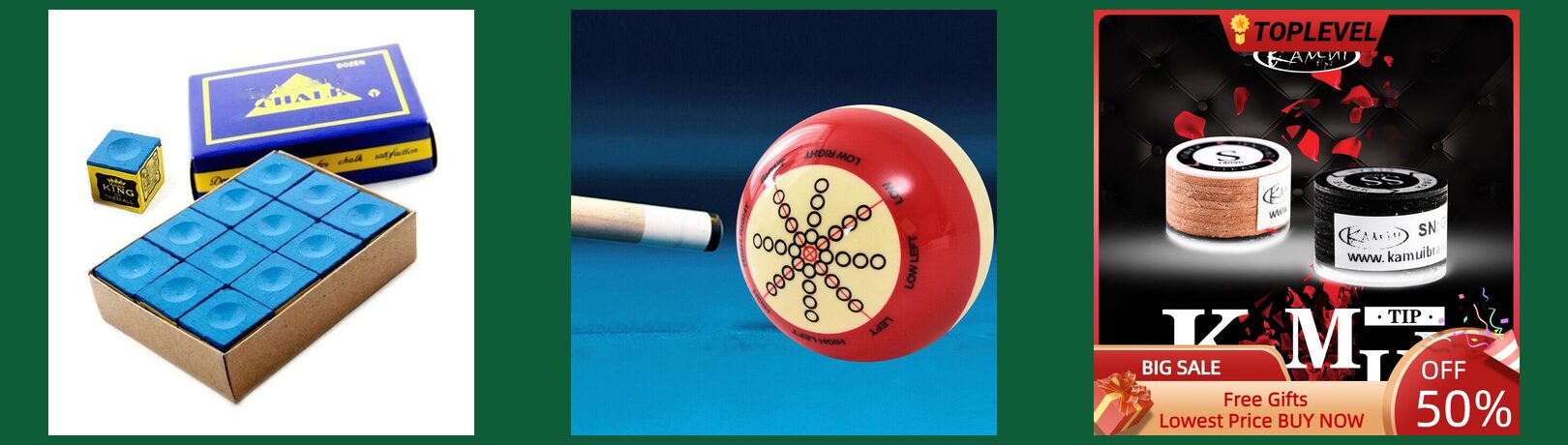
Ask a room full of club players what improved their game most and you'll hear about tips, shafts and hours of practice. Almost nobody says chalk. Yet the little cube in your pocket is doing the single most important job on the table: it's the only thing standing between a clean strike and a screaming miscue. Get chalk wrong and even a brilliant cue and a perfect tip will let you down at the worst possible moment.
This guide looks at what chalk actually does, how to apply it so it works, and how to choose a cube that suits your table and your budget.
What chalk really does (and doesn't)
Contrary to the name, snooker chalk isn't blackboard chalk. It's an abrasive powder — usually silica and an aluminium-oxide grit bound with pigment — designed to roughen the smooth leather of your cue tip. That microscopic texture is what grips the cue ball for a split second at impact, especially when you strike off-centre for side, screw or top spin.
Here's the part people miss: chalk creates friction, it doesn't create magic. A worn, glazed tip won't hold chalk properly no matter how good the cube is, and no chalk will save a stroke where you've struck too far from centre for the pace you're playing. Chalk simply widens the margin for error. The better it grips, the more spin you can safely apply before the tip slides off the ball — a miscue.
How to chalk properly
Most amateurs either barely touch the cube or grind at it like they're sharpening a pencil. Neither works well. Aim for these habits:
- Brush, don't drill. Sweep the chalk across the tip a couple of times, tilting the cube so you coat the dome evenly rather than boring a hole in the centre.
- Chalk before every power or spin shot. A gentle roll-up is far more forgiving than a deep screw shot — chalk generously before the shots that actually risk sliding.
- Keep the tip domed. Chalk grips a rounded tip far better than a flat one. A tip shaped like the curve of a small coin holds an even layer.
- Don't chalk the ferrule. Blue dust caked around the ferrule and shaft just ends up on your bridge hand and the cloth.
If you play in a glove such as the Spandex Snooker Billiard Cue Glove Pool Left Hand Open Three Finger Accessory for Unisex Women and Men 4 Colors 1Pcs, you'll also notice less chalk transferring to a sweaty bridge hand, which keeps your delivery cleaner.
Colour, cloth and the cue ball
Snooker chalk is traditionally green to match the baize, while pool chalk is often blue. The reason is purely cosmetic: excess chalk marks the cloth and the balls, and a matching colour is less obvious. If you own a home table, be aware that heavy blue chalk on a green cloth shows up quickly, and chalk residue builds on the cue ball too.
That build-up matters more than most players realise. A chalk-caked cue ball skids and reacts unpredictably. It's worth keeping a spare practice ball like this Billiard Cue Ball Durable Resin Billiard Practice Training Pool Cue Ball Snooker Training Balls Cueball 57mm Table Ball Practice for solo sessions, and wiping the balls down regularly so chalk transfer doesn't quietly ruin your positional play.
Does the chalk you buy actually matter?
For most club and home players, honestly, a decent cheap cube does the job. Something like this 4pcs Cheap Billiards Snooker Cue Chalk Billiard No-slip Chalk Indoor Sport Accessories multi-pack keeps a cube in your case, one on the table and a spare in the drawer for pennies per game. These are imported budget cubes — perfectly serviceable, if a little dustier and less consistent than the premium branded chalks the professionals swear by. Set your expectations accordingly: they grip well enough for everyday play, but they're not the boutique product.
Where chalk quality shows up is at the extremes of spin. If you're regularly applying heavy side and finding you miscue anyway, the fault is more often your tip than your chalk. A quality layered tip such as the Japanese Original KAMUI Clear Cue Tips Billiard Pool Cue KAMUI Tip 14mm SS/S/M/H Snooker Tip Brown 11mm M/MH Billiard Accessory holds chalk more reliably and grips harder than a cheap, glazed one — often a bigger upgrade than swapping cubes.
Keeping chalk working for you
Chalk only grips if the surfaces around it are clean. A tip that's polished glossy by hard shots stops holding chalk, and a grubby shaft picks up dust. A simple burnisher and cleaner like this 1/2/3pcs Professional Billiard Pool Cue Burnisher Cleaner Polisher Home Cleaning Snooker Pole Training Pool Ball Accessories lets you lightly rough up a glazed tip and keep the shaft slick — a two-minute habit that makes cheap chalk perform above its price.
A simple chalk-and-contact starter kit
If you want everything working together for clean strikes, here's how the pieces fit and roughly what each is for.
The bottom line
Chalk is the cheapest insurance in snooker. Buy a small stock of cubes so you're never caught without one, brush it on evenly before spin and power shots, keep your tip domed and your cue ball clean, and you'll miscue far less. Spend your upgrade money on the tip before the chalk — but never, ever, cue off without either.