A Cue Care Calendar: Daily, Weekly and Yearly Habits That Keep Your Snooker Cue Sweet
· Mark O'Sullivan
Most cue problems don't arrive suddenly. A shaft doesn't go sticky overnight, a tip doesn't glaze over in a single frame, and a cue rarely warps because of one bad evening. These things creep in — which is exactly why a little routine beats a big rescue job. Instead of thinking about cue care as a one-off, it helps to think of it as a calendar: a few seconds every day, a few minutes each week, and a proper look-over once a year.
Here's how I structure it, along with the modest, mostly imported kit that makes each habit painless. None of this is expensive, and none of it takes long — but done consistently, it keeps a shaft fast, a tip predictable and a cue straight for years.
Every session: the 30-second habits
The daily stuff is almost embarrassingly simple, but it's where 90% of the benefit lives.
- Wipe the shaft down. Before you put the cue away, run a clean, dry cloth up and down the shaft a few times. This lifts off chalk dust, hand oils and the beginnings of that grubby film that slows your delivery.
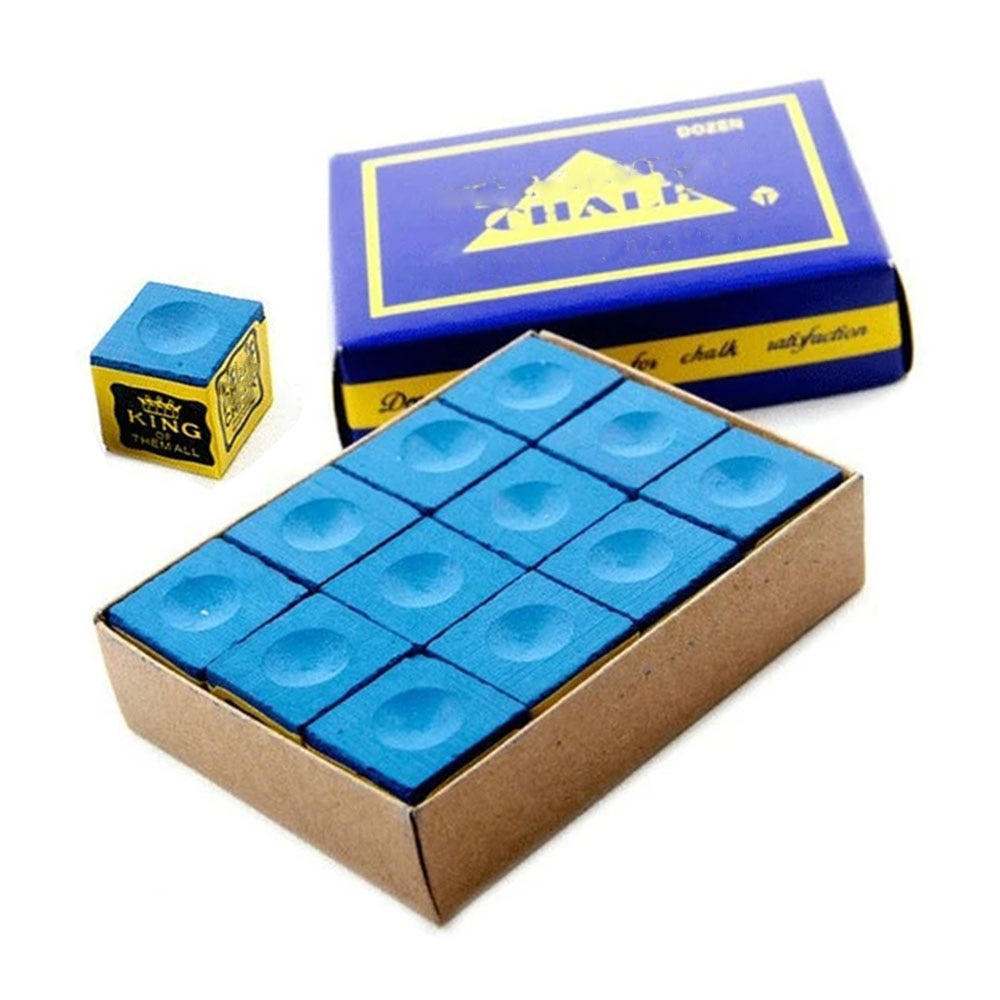
- Chalk properly, not obsessively. Brush the chalk across the tip rather than grinding it in like a pepper mill. A decent, consistent cube such as this 4pcs Cheap Billiards Snooker Cue Chalk Billiard No-slip Chalk Indoor Sport Accessories does the job without caking the tip or building up on the ferrule.
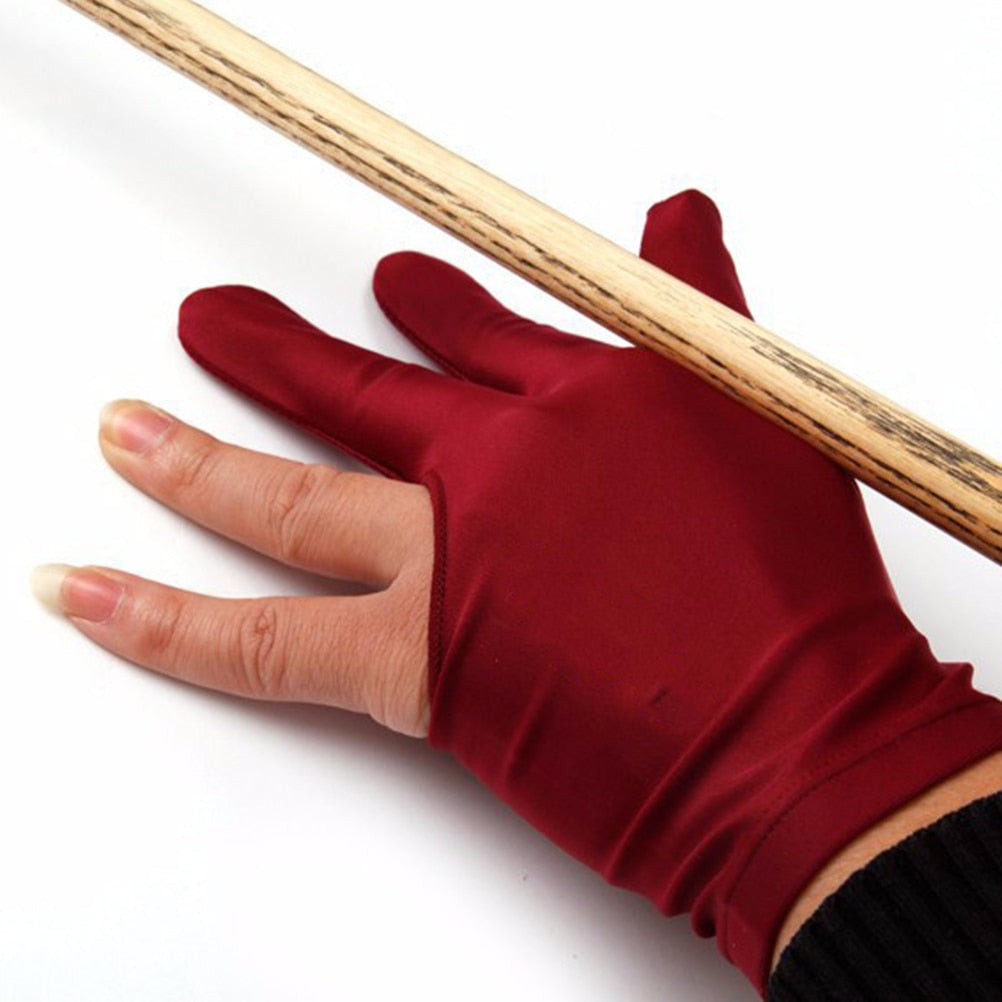
- Mind your hands. If your bridge hand runs warm or sticky, a light glove keeps the shaft cleaner for longer. A breathable option like this Spandex Snooker Billiard Cue Glove Pool Left Hand Open Three Finger Accessory for Unisex Women and Men 4 Colors 1Pcs costs almost nothing and cuts down on the oils that dull a shaft.
Do these three things and your weekly and yearly jobs become far less about repair and far more about maintenance.
Every week or two: reset the feel
This is where you notice the difference in how the cue plays. Over a couple of weeks, a shaft picks up grime that a dry cloth alone won't shift, and the surface starts to drag slightly through the bridge.
Clean and burnish the shaft
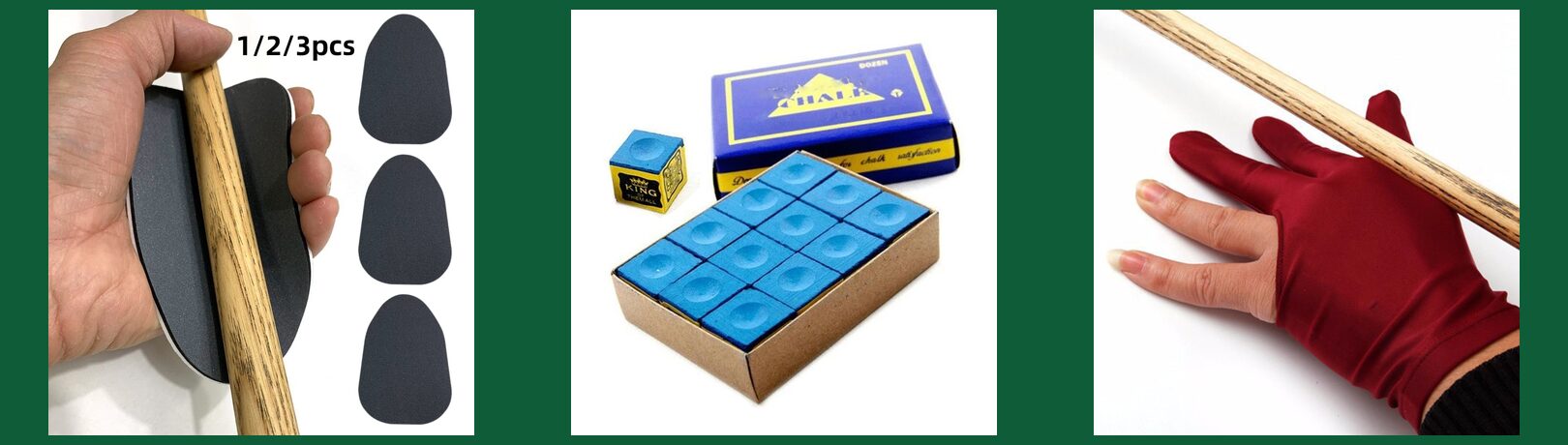
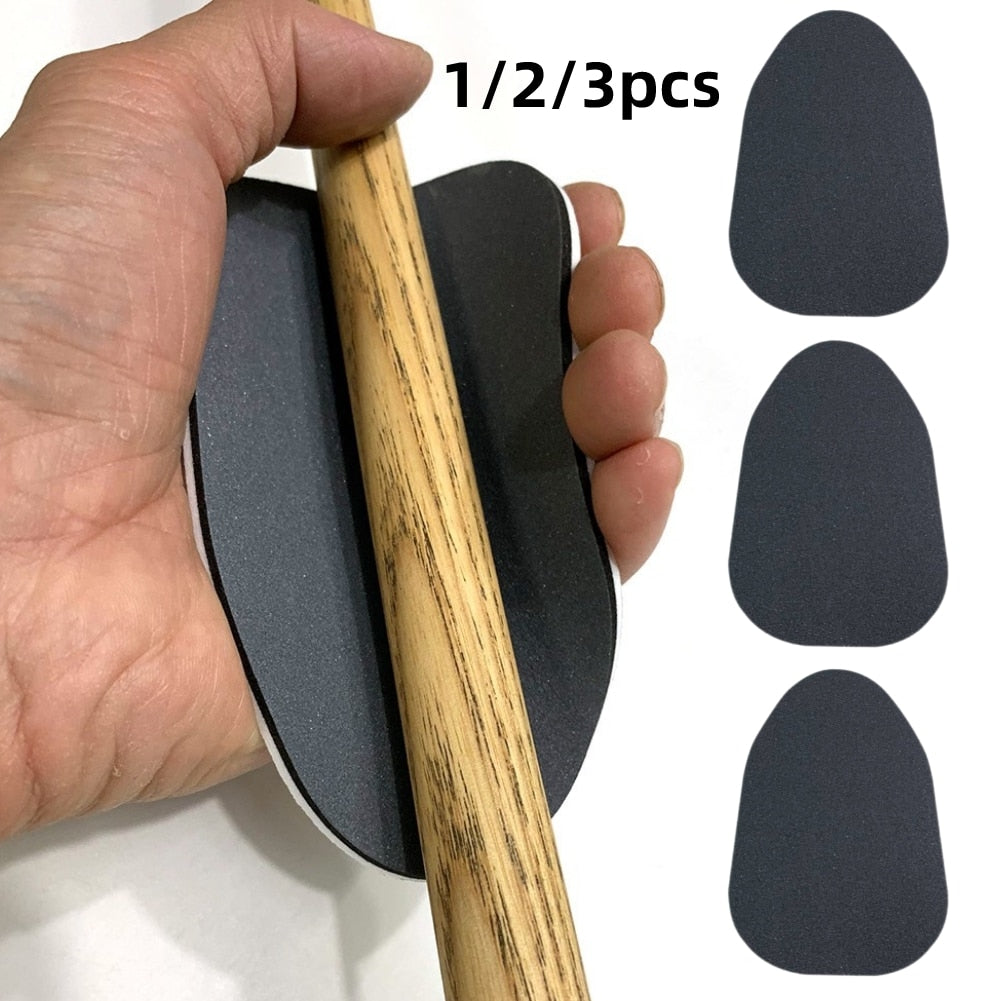
A light clean followed by a burnish smooths the fibres back down and restores that glassy glide. A simple tool such as this 1/2/3pcs Professional Billiard Pool Cue Burnisher Cleaner Polisher Home Cleaning Snooker Pole Training Pool Ball Accessories handles both jobs. Work along the grain, not across it, and stop as soon as the shaft feels slick — over-polishing does no favours. Never soak the wood; a barely damp cloth followed by a dry buff is plenty.
Check and shape the tip
Give the tip a look under decent light. Is it glazed and shiny? Lightly scuff it so it holds chalk again. Has it flattened out? A gentle re-dome brings back the contact you want for spin. If it's mushroomed over the edge of the ferrule, trim it flush. These small tasks are the difference between a tip that grips and one that quietly starts causing miscues.
The honest bit about budget kit
Almost everything above is inexpensive and imported, and it's worth setting expectations. Cheap chalk, gloves and burnishers do the fundamental job well — they clean, they grip, they glide. What you're not buying at these prices is the last few percent of consistency or premium finish. For daily care that's absolutely fine. The one area where spending more genuinely pays is the tip, because it's the only part of the cue that touches the ball.
Once or twice a year: the deeper service
At least once a year — more if you play heavily — give the cue a proper inspection.
- Roll it flat. Roll the cue slowly across a table bed and watch for any wobble that signals a bend. Small deviations are normal; a pronounced roll means it's time to reassess storage habits.
- Inspect the ferrule and joint. Look for hairline cracks, and on jointed cues check the brass mates cleanly with no grit in the thread.
- Re-tip if needed. Once a tip is worn down near the ferrule or refuses to hold shape, replace it. For a budget refresh, glue-on tips like these are cheap and cheerful, while a premium layered option such as the Japanese Original KAMUI Clear Cue Tips Billiard Pool Cue KAMUI Tip 14mm SS/S/M/H Snooker Tip Brown 11mm M/MH Billiard Accessory gives more consistent chalk hold and feedback if you're playing seriously.
Storage: the habit that prevents warping
More cues are ruined by careless storage than by play. Heat and damp are the enemies — never leave a cue in a car boot, against a radiator, or leaning in a corner for weeks on end. Stand it upright or lay it flat, and keep it away from swings in temperature and humidity. A simple wall or bracket solution like this Billiards Cue Rack Bridge Head Cross Antlers Rod Holder Snooker Pool Plastic Staghorn Shape 2 Color keeps a cue supported and off the floor, which is far better than propping it where it can bow or get knocked.
The core care kit at a glance
If you're building a small maintenance kit from scratch, these are the pieces that earn their place — a cleaner, a chalk, a glove and a tip upgrade for when the time comes.

The takeaway
Cue care isn't a chore if you spread it across a calendar rather than saving it for a crisis. Thirty seconds of wiping and sensible chalking each session, a clean-and-burnish every week or two, and an honest inspection once a year will keep almost any cue playing beautifully — regardless of what you paid for it. Spend where it counts on the tip, keep the shaft clean, store the cue sensibly, and it'll reward you frame after frame.