Essential Snooker Accessories Every Player Should Own
Published · Updated · Mark O'Sullivan

Beyond a good cue, chalk, a glove, an extension, cue-care tools, a spare tip and a practice ball are what keep a session running smoothly.
A good cue gets all the attention, but ask any seasoned club player what actually keeps their game ticking over and the answer is rarely the cue alone. It's the little things — the chalk that doesn't miscue, the glove that lets the cue glide, the extension that saves you stretching across the baulk cushion. None of it is glamorous, and most of it is inexpensive, but the right kit removes the small frustrations that interrupt an otherwise good session.
Most of what follows is affordable, imported gear. It won't match boutique British-made kit or tournament-grade equipment, and it doesn't need to — for club and home play, it does exactly what's asked of it. Below is a practical run-through of the accessories worth owning, roughly in the order they'll earn a place in your case, followed by a buying order if you're starting from scratch.
1. Chalk — the cheapest insurance against a miscue
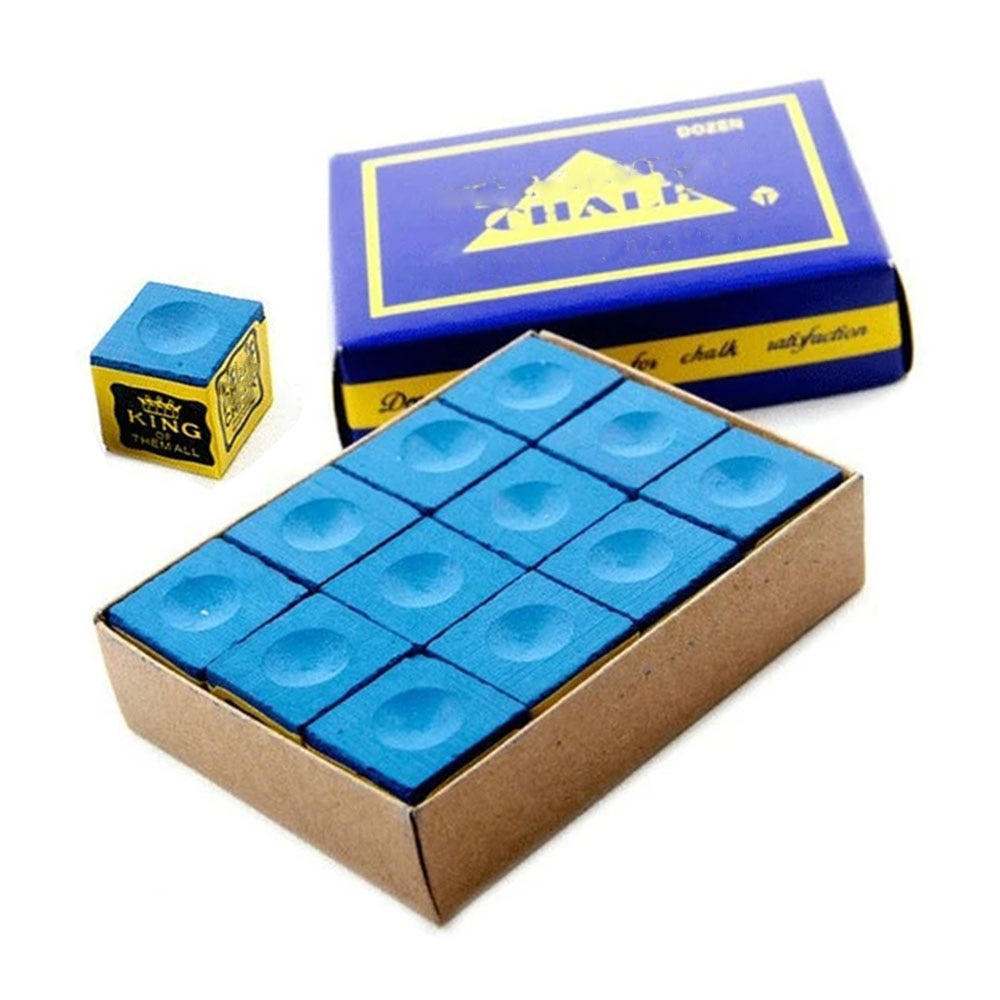
If you only ever buy one accessory, make it chalk. A worn-down or hard, glazed cube is the single most common cause of those embarrassing miscues that send the cue ball skidding off line, because it's the layer of grip between tip and ball. Chalk is consumable and has a habit of vanishing in busy clubs, so keep a few cubes on the go — one in the case, one as a spare, one in a coat pocket.
A multipack like 4pcs Cheap Billiards Snooker Cue Chalk Billiard No-slip Chalk Indoor Sport Accessories is the sort of thing every player should have rattling around their bag. It won't match the Triangle or Master cubes used in the professional game, but for everyday practice it removes the excuse entirely. Apply it with light, brushing strokes rather than grinding it in, and re-chalk before any shot with side or a long pot — you want to dress the tip, not gouge a crater into it.
2. A glove for a smooth, consistent bridge
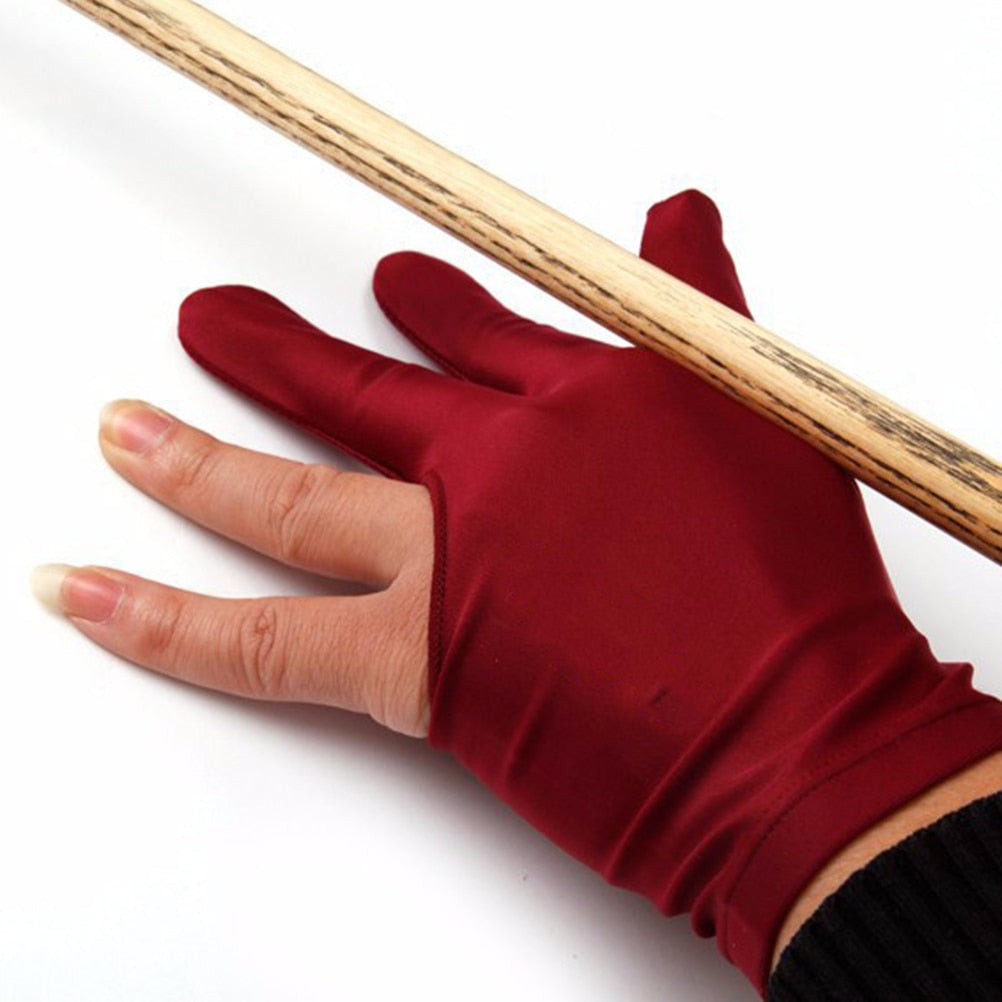
Whether you need a glove depends entirely on your bridge hand. If it drags, sticks or gets clammy in a warm room, the cue drags across your fingers and your delivery loses its clean, repeatable slide — especially over a few frames or under lights. A glove fixes this instantly by giving the shaft a consistent, low-friction surface to run over.
A three-finger spandex glove such as Spandex Snooker Billiard Cue Glove Pool Left Hand Open Three Finger Accessory for Unisex Women and Men 4 Colors 1Pcs costs next to nothing and leaves your thumb and grip fingers free to form the bridge while the cue glides over the fabric. It's a personal-preference item — plenty of players never use one, others won't play without it — but at this price it's a low-risk experiment.
Which hand?
Buy the glove for your bridge hand, not your cueing hand. A right-handed player bridges with the left hand, so you'll want a left-hand glove (and vice versa). Get the fit snug but not tight, and check handedness before ordering, as many budget gloves are hand-specific.
3. A cue extension for those awkward stretches
Every player eventually faces a shot where the cue ball is tight against a far cushion and you're left wobbling on one foot to reach it. A telescopic extension turns those balance-killing stretches into comfortable, controlled shots, and it's the kind of thing you barely think about until the day you're grateful you packed it.
An adjustable model like the Snooker Cue Extender Adjustable Length Telescopic Cue Extension slips over the butt of the cue and adds several inches of reach when you need it, packing away when you don't. It won't replace a proper spider or rest for the truly out-of-reach pots, but for the in-between distances it keeps your cueing action and stance intact rather than forcing an ugly, off-balance lunge. Fittings vary between cues, so check it seats snugly on yours before relying on it in a match.
4. Cue-care tools to keep the shaft fast
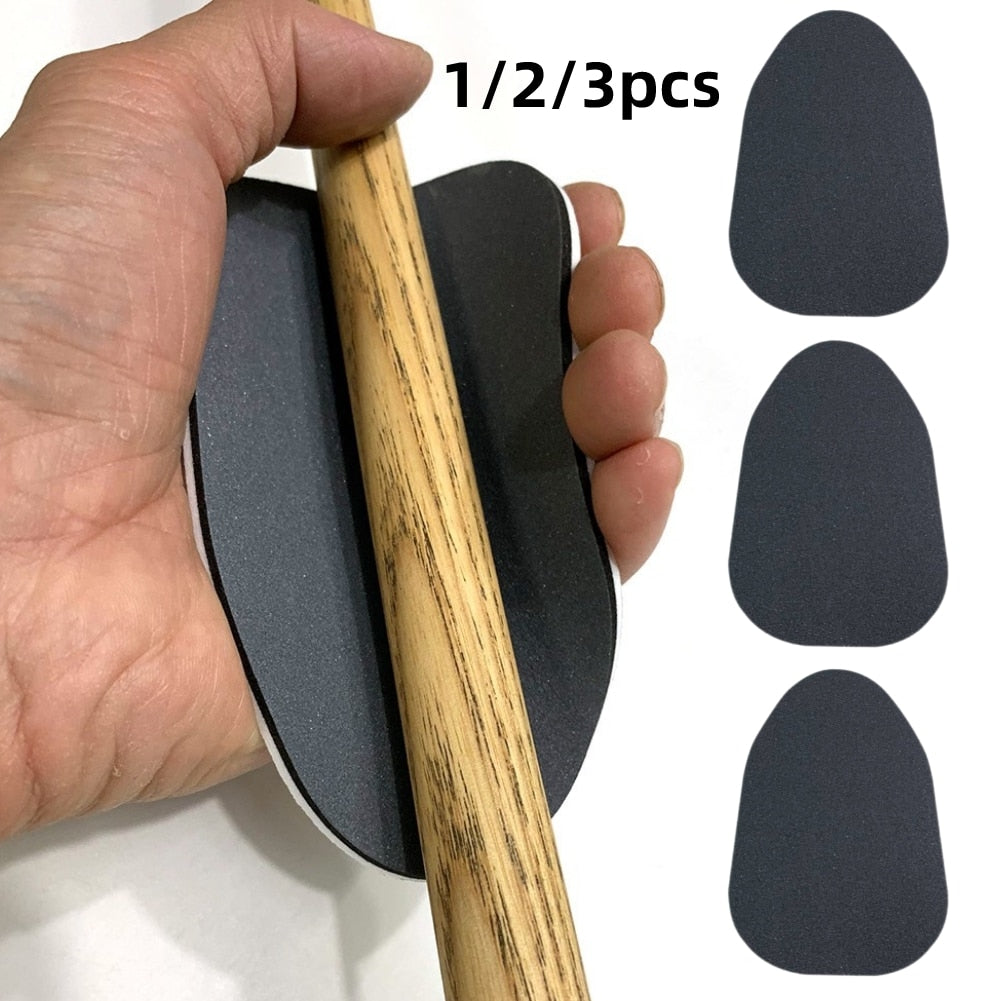
Over time, chalk dust, sweat and hand oils build up on a cue shaft, making it feel tacky and slow through the bridge and encouraging a death grip. A simple cue burnisher and cleaner such as 1/2/3pcs Professional Billiard Pool Cue Burnisher Cleaner Polisher Home Cleaning Snooker Pole Training Pool Ball Accessories smooths and polishes the wood in a couple of minutes so it slides like new.
Use it sparingly — a quick once-over every few sessions is plenty, and the aim is to lift dirt and polish the surface, not sand it. It's a far cheaper habit than letting an ash or maple shaft degrade, and it's a small ritual that protects the larger investment you've already made in the cue itself.
5. A spare training cue ball
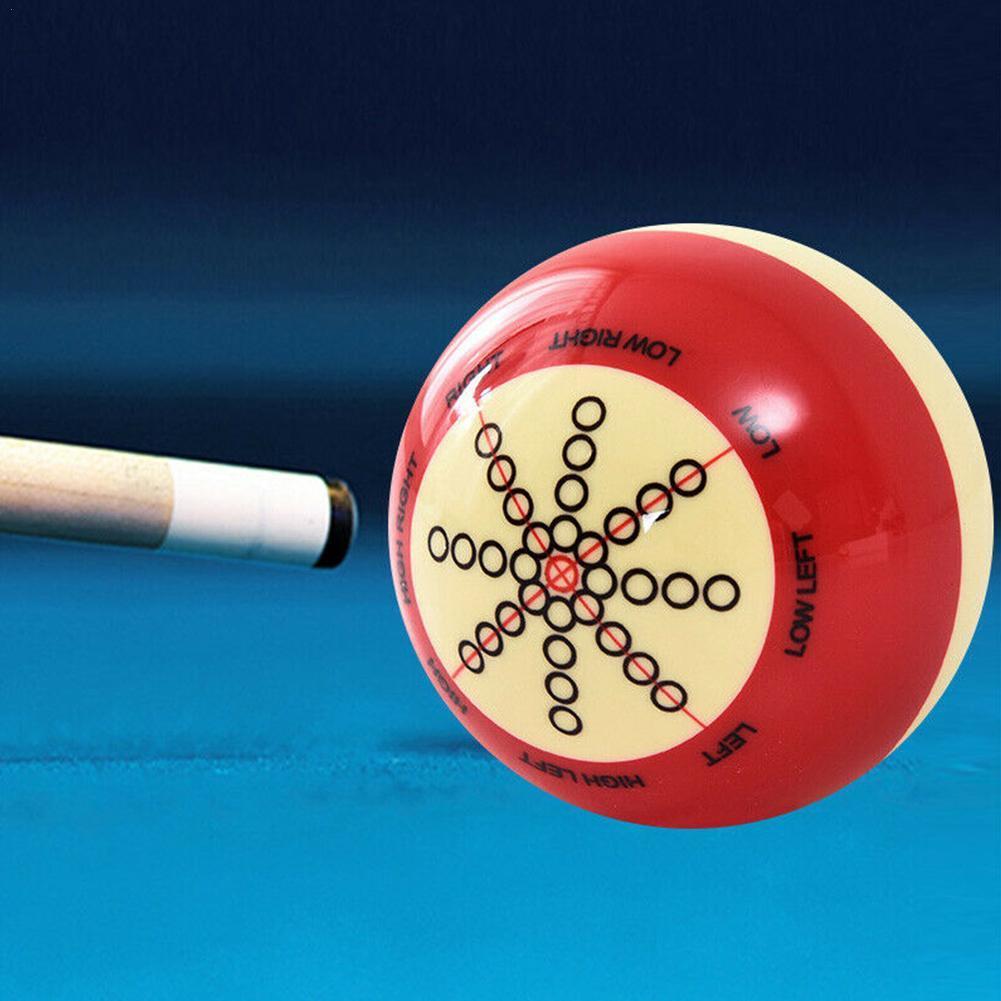
Most improvement happens when nobody's watching, and a dedicated training ball is one of the smartest cheap buys going for anyone who practises at home. A durable resin cue ball such as Billiard Cue Ball Durable Resin Billiard Practice Training Pool Cue Ball Snooker Training Balls Cueball 57mm Table Ball Practice lets you drill cueing lines, screw and stun without racking a full frame, and it doubles as a handy replacement if a ball ever goes missing.
At 57mm it suits standard tables, so check sizing before you buy. Don't expect tournament-grade consistency from an inexpensive resin ball — treat it as a practice aid rather than a match ball — but for repetitive solo drills it's excellent value.
6. Spare tips — for when the inevitable happens
Tips wear, mushroom or occasionally come loose entirely, usually at the worst possible moment. Keeping a spare in the bag means a worn tip never keeps you off the table, whether you fit it yourself or take the cue to a club professional. For players who want the best feel and don't mind paying for it, a premium layered tip like the Japanese Original KAMUI Clear Cue Tips Billiard Pool Cue KAMUI Tip 14mm SS/S/M/H Snooker Tip Brown 11mm M/MH Billiard Accessory holds chalk beautifully and gives consistent ball control, though it's worth fitting properly and is a step up in price.
If you just need a convenient, everyday option — particularly for a cue with a threaded ferrule — a set of 10PCs/set Screw On Cue Tips For Billiard Pool Cue Stick and Snooker Cue Replacement Parts Stick Repair Tool for Snooker 10mm Hot requires no glue or clamping. It's a convenience solution rather than the feel of a fitted layered tip, so match your expectations to the price, and always check the diameter matches your ferrule — snooker cues typically run 9.5mm to 11mm.
7. Somewhere sensible to keep the cue
Leaning a cue in a corner, against a wall or a radiator is how shafts warp and butts get dented between sessions. For home setups, a combined cue rack and bridge head like Billiards Cue Rack Bridge Head Cross Antlers Rod Holder Snooker Pool Plastic Staghorn Shape 2 Color keeps cues upright and off the floor, and doubles as a cross rest for those awkward mid-table shots.
It's plastic and basic rather than a boutique item, but it does two jobs for a modest outlay and protects a much larger investment than itself.
Quick comparison of the essentials
Here's how the core consumables and tools stack up at a glance:
What order should you buy them in?
You don't need everything on day one. If you're building a kit from scratch, this is the sensible order:
- Chalk first — non-negotiable, and dirt cheap.
- A glove next, if your bridge hand drags at all.
- A cue-care kit once you're playing regularly and want the shaft to stay quick.
- An extension the first time a long shot embarrasses you.
- A training cue ball if you have any access to a table for solo practice.
- Spare tips and a rack as your cue starts to show its miles and you settle into a home setup.
None of this replaces good technique, and none of it costs the earth. But a well-stocked case is the difference between turning up ready to play and spending the first frame borrowing chalk and wishing you'd brought a glove. For more on looking after the cue itself once it's fitted with a fresh tip, see our cue maintenance and care guide, and if you're still choosing a tip, our cue tips comparison goes into more depth.
Frequently asked questions
What's the single most important snooker accessory besides the cue?
Chalk, without question. A worn or glazed cube is the most common cause of miscues, and it's used more often than anything else in your case. Keep spares so you're never caught with a bald, hollowed-out cube mid-frame.
Do I really need a glove?
Only if your bridge hand drags, sweats or sticks, particularly in a warm room. Plenty of players never feel the need for one, but for those affected it fixes the problem instantly and costs very little, so it's worth trying.
Which hand should a cue glove go on?
The glove goes on your bridge hand, not your cueing hand. A right-handed player bridges with the left hand and so needs a left-hand glove, and vice versa — check the listing before ordering, as many budget gloves are hand-specific.
How often should I clean or burnish my cue shaft?
A quick wipe and burnish every few sessions is usually enough to keep chalk dust and hand oils from building up. Go gently, since the aim is to lift dirt and polish the surface rather than sand the wood down.
Is a cue extension worth buying if I mostly play at a club?
Yes — any table occasionally throws up a shot where the cue ball sits tight to a far cushion. An extension lets you keep a proper stance and cueing action instead of stretching or improvising a poor bridge, and it packs down small enough to live in a case pocket.
What size cue ball do I need for home practice?
Standard snooker cue balls are 57mm, and most home tables use this size, so check your table's spec before buying a training ball. Treat an inexpensive resin practice ball as a drilling aid rather than a tournament-grade match ball.
When should I upgrade my cue tip?
Once a tip mushrooms, hardens, stops holding chalk evenly, or comes loose, it's time to replace it. A budget screw-on tip is a fine everyday convenience, while a premium layered tip is worth the extra cost if you play seriously and want more consistent spin.
Do I need a cue rack if I only play at a club?
Probably not — it's mainly useful if you have a cue or a home table to store between sessions. Leaning a cue in a corner or against a radiator is how shafts pick up a warp, so a simple rack is a small spend that protects a much bigger investment.