Miscues Explained: How Chalk and Technique Keep Your Cue Ball on Line
Published · Updated · Mark O'Sullivan

Every player knows the sickening slip of a miscue — that little "tick" as the tip skids off the cue ball and your carefully planned safety dribbles into a scoring position for your opponent. Most of us blame our technique, and often that's fair. But a surprising number of miscues, kicks and unexpected swerves come down to something far cheaper to fix: chalk, and how you use it. This guide unpacks what's actually happening at the moment of contact and how to stop it going wrong.
What a miscue really is
A miscue happens when the tip fails to grip the cue ball and slides across its surface instead of driving through it. The result is a loss of energy, an off-line strike, and frequently an ugly swerve. It's most common when you're playing away from centre — applying side, screw or top — because the further from the middle you strike, the more grip you need to hold the tip in place.
Chalk exists to provide that grip. It's an abrasive that fills the microscopic pores of the tip and increases friction between tip and ball. Without it, even a perfectly struck shot can skid. With too much, or poorly applied chalk, you get build-up, ball marking and inconsistent contact. Getting the balance right matters more than most beginners realise.
How to chalk properly (most people do it wrong)
The classic mistake is grinding the cue into the chalk like you're sharpening a pencil. This polishes the centre of the tip and leaves a hollow, glazed spot exactly where you strike — the worst possible place. Instead:
- Brush, don't drill. Sweep the chalk gently across the tip from a few angles so it coats the whole surface evenly.
- Chalk before shots that need it. Any shot with side, deep screw or a firm strike deserves a fresh coat. A dead-centre stun into the pack usually doesn't.
- Don't overdo it. Caked chalk transfers to the cue ball and causes kicks. A thin, even layer is plenty.
- Keep the tip shaped. Chalk grips best on a slightly domed, roughened tip, not a flat, shiny one.
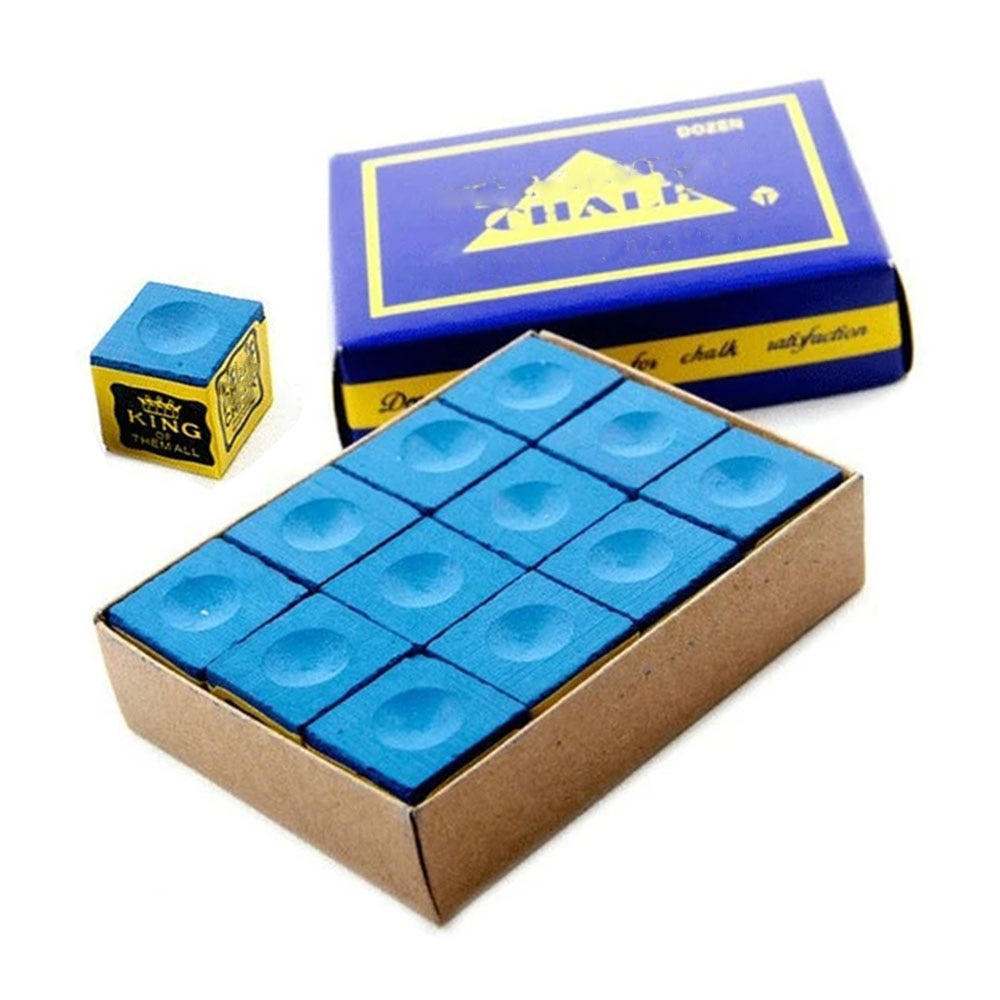
A decent affordable chalk makes all of this easier. The 4pcs Cheap Billiards Snooker Cue Chalk Billiard No-slip Chalk Indoor Sport Accessories gives you a multi-pack so there's always one on the rail, in your case and in your pocket — no more hunting for the single cube that's rolled under the table.
Why your tip and chalk work as a pair
Chalk can only do so much if the tip underneath it is glazed, hardened or misshapen. Over time tips compress and the surface becomes smooth, and no amount of chalk will hold on a mirror-like face. This is where tip choice and maintenance come in.
Softer and medium tips hold chalk more readily because they retain a slightly textured surface, which is one reason many players prefer them for control shots. Quality replacement tips such as the Japanese Original KAMUI Clear Cue Tips Billiard Pool Cue KAMUI Tip 14mm SS/S/M/H Snooker Tip Brown 11mm M/MH Billiard Accessory are engineered to hold chalk consistently across their life. If you're re-tipping on a budget or maintaining a house cue, the CUESOUL 6pcs/set 14MM Baked Pig Suede Billiard Snooker Cue Tip & Pool Cue Tip set gives you spares to experiment with. Whatever you fit, keep the tip lightly roughened so chalk has something to bite into.
Kicks, marking and the cue ball itself
Not every bad contact is a miscue. "Kicks" — those bad contacts on the cue ball that produce a rattle and an off line — are often caused by chalk dust or debris between the two balls at the moment of impact. Over-chalking is a major culprit, which is another reason to apply thinly and evenly.
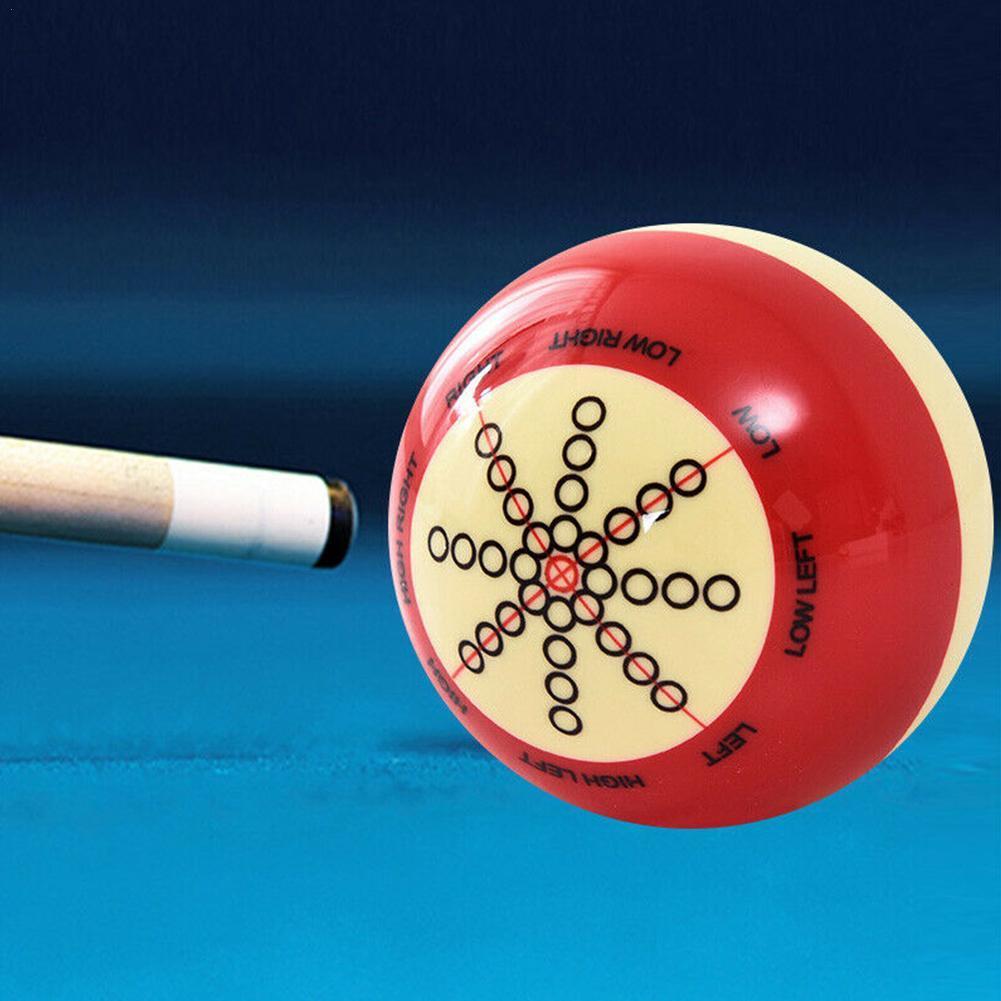
A clean, consistent cue ball helps too. If you're practising at home, a reliable training ball like the Billiard Cue Ball Durable Resin Billiard Practice Training Pool Cue Ball Snooker Training Balls Cueball 57mm Table Ball Practice lets you rehearse spin and screw shots without worrying about a chewed-up club ball throwing off your reads. Wipe it down regularly to clear chalk residue.
Comparing the essentials
Here's how the core chalk-and-contact kit stacks up for a home player on a sensible budget.

Small habits that reduce miscues for good
Beyond chalk, a few cheap habits pay dividends:
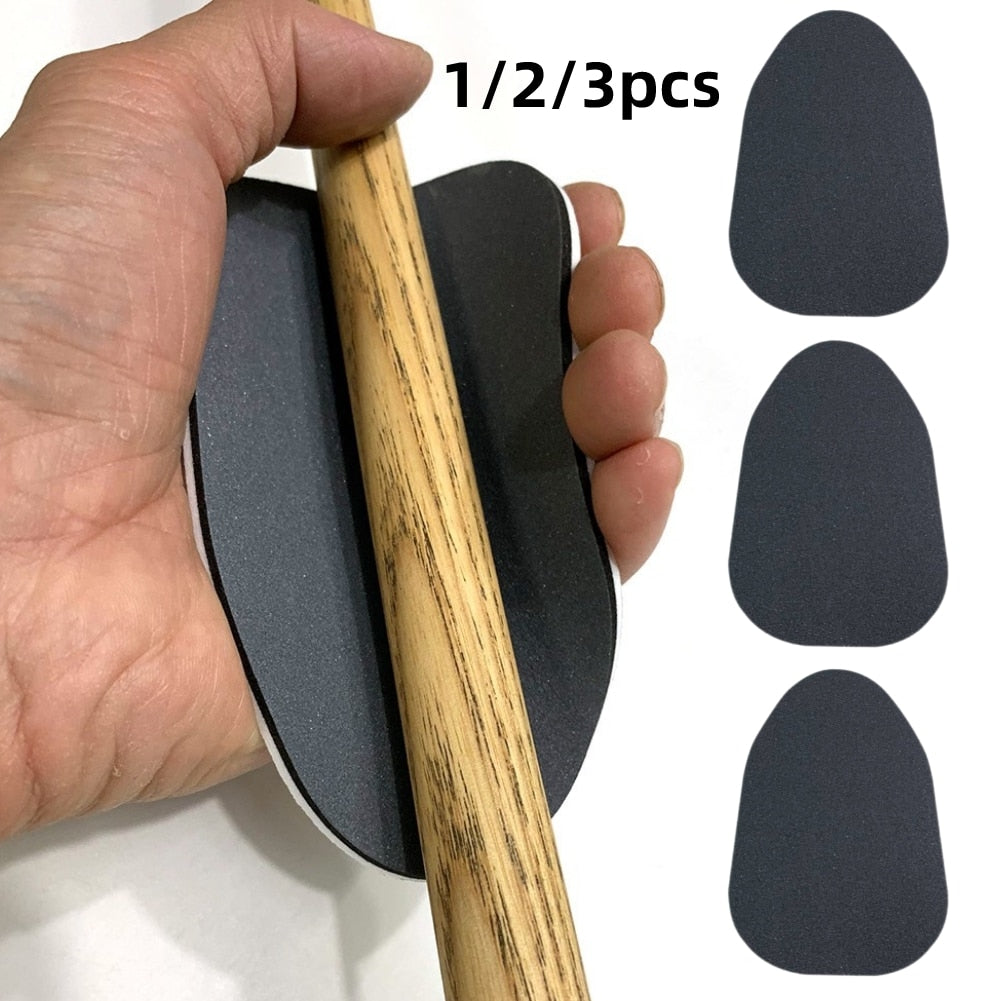
- Keep your shaft clean. Chalk and hand oils build up and affect your bridge. A simple 1/2/3pcs Professional Billiard Pool Cue Burnisher Cleaner Polisher Home Cleaning Snooker Pole Training Pool Ball Accessories keeps the shaft smooth so your delivery stays consistent.
- Steady the bridge. A sticky or sweaty bridge hand makes the cue snatch, encouraging off-centre hits. A lightweight Spandex Snooker Billiard Cue Glove Pool Left Hand Open Three Finger Accessory for Unisex Women and Men 4 Colors 1Pcs gives a smoother, more repeatable slide.
- Slow down on power shots. Most miscues on screw shots come from rushing and striking too low too fast. Chalk up, aim slightly higher than you think, and accelerate smoothly.
Setting expectations
Be realistic about budget kit. The chalk, tips and cue ball here are affordable, mostly imported products that do the job well for practice and club play — they're not tournament-branded items and quality can vary between batches. For most home and social players that's exactly the right trade-off: cheap enough to keep spares, good enough to genuinely improve your contact.
The bottom line
Miscues feel like a technique failure, and sometimes they are — but chalk and tip condition quietly cause more of them than anyone admits. Chalk thinly and evenly, keep a well-shaped tip that grips, wipe your cue ball, and slow your power shots down. Do those four things and you'll strike cleaner, spin more confidently and hand your opponent far fewer free chances.