Stage by Stage: A Phased Plan to Upgrade Your Home Snooker Setup on a Budget
· Mark O'Sullivan
Most people who set up a table at home make the same mistake I did years ago: they spend big on one thing, then run out of enthusiasm (and cash) for everything else. The result is a fancy cue leaning against a wall, chalked with a crumbly cube, potting into a cue ball that no longer rolls true. A far smarter approach is to upgrade in stages, spending a little at a time and letting each purchase actually improve how the table plays before you move on.
Here is the phased plan I'd give any friend starting from a basic home setup. It spreads the cost, avoids waste, and — crucially — puts the cheap, high-impact stuff first.
Stage One: The Cheap Wins (Buy This Month)
Before you even think about a new cue, fix the things that quietly ruin every shot. These cost pennies but make an immediate, noticeable difference.
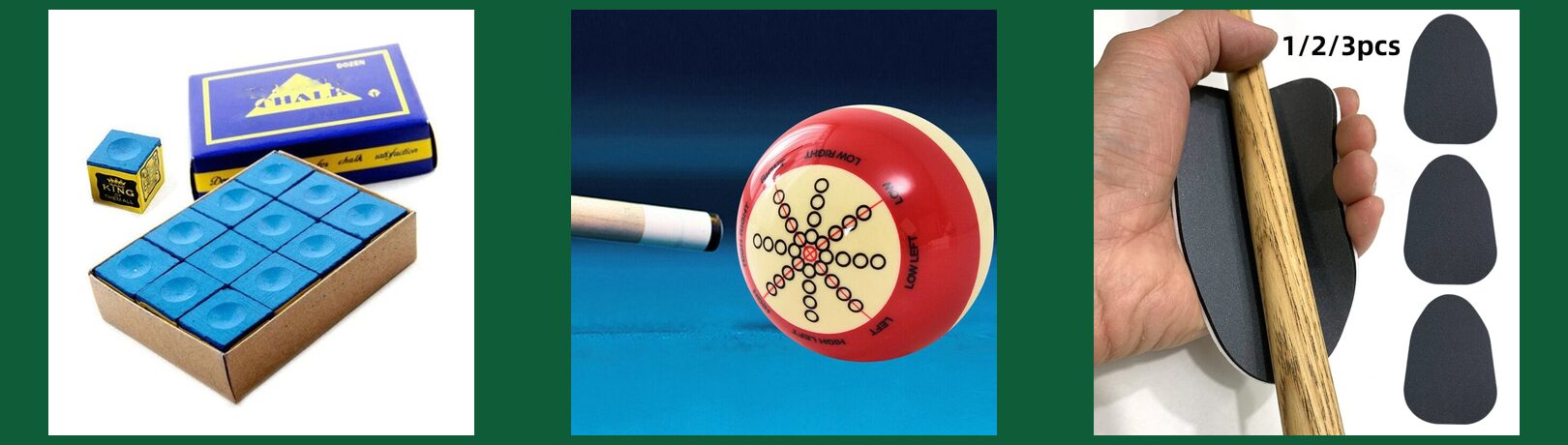
Chalk first. A dry, hard, or worn cube is a miscue waiting to happen. Decent no-slip chalk grips the tip properly and is the single cheapest improvement you can make. A multipack like 4pcs Cheap Billiards Snooker Cue Chalk Billiard No-slip Chalk Indoor Sport Accessories means you always have a fresh cube by the table rather than passing one battered piece around.
Replace a tired cue ball. A chipped or discoloured cue ball skids and rolls off line, and no cue on earth fixes that. A clean resin practice ball such as Billiard Cue Ball Durable Resin Billiard Practice Training Pool Cue Ball Snooker Training Balls Cueball 57mm Table Ball Practice is inexpensive and makes the table feel honest again.
Clean your shaft. Chalk dust, sweat and hand oils make a shaft sticky and slow. A simple burnisher-cleaner like 1/2/3pcs Professional Billiard Pool Cue Burnisher Cleaner Polisher Home Cleaning Snooker Pole Training Pool Ball Accessories restores a smooth glide in a couple of minutes. Do this even to an old house cue and it'll feel years younger.
Realistically you can sort all three for the price of a couple of coffees. That's the point of stage one — big playability gains, tiny outlay.
Stage Two: Comfort and Consistency (Next Month)
Once the table plays cleanly, turn to the small kit that steadies your delivery and makes longer sessions more comfortable.
If your bridge hand drags on the shaft — common in warm rooms or if you have naturally sweaty hands — a lightweight glove smooths things out. A three-finger spandex option such as Spandex Snooker Billiard Cue Glove Pool Left Hand Open Three Finger Accessory for Unisex Women and Men 4 Colors 1Pcs costs very little and gives a consistent, repeatable bridge whatever the weather.
The other stage-two buy is a telescopic extension. On a full-size table, those long stretches over the baulk cushion wreck your cueing action. A screw-in Snooker Cue Extender Adjustable Length Telescopic Cue Extension lets you keep a proper stance instead of lunging. It's a modest spend that saves you a lot of scrappy shots.
Stage Three: The Cue Itself (When You're Ready)
Now — and only now — is the time to consider a personal cue. By waiting, you'll know exactly what you like about how the table plays, and you won't be masking a dirty shaft or dead cue ball with an expensive purchase.
For a first proper cue, a jointed ash set that includes a case is the sweet spot for home players. Something like NEW Cuppa Ash Wood 3/4 Snooker Cues Stick Case Set Billiard 9.8mm 11.5mm Tips gives you a traditional ash shaft, a sensible tip size and protective storage in one go. Be honest with yourself about expectations: these are affordable, largely imported cues, not hand-selected tournament sticks. Check the shaft is straight on arrival and expect to fine-tune the tip. For the money, they play well above their price.
How the stages compare
Here's a quick view of where each item sits, so you can plan your spending order at a glance.
Stage Four: The Finishing Touches
The last stage is about keeping everything tidy and protected so your earlier spending lasts. A wall or table-side rack such as the Billiards Cue Rack Bridge Head Cross Antlers Rod Holder Snooker Pool Plastic Staghorn Shape 2 Color stops cues leaning against walls, which is the number-one cause of warping in a home setting. It's a tiny outlay that protects everything above it.
Think of these as maintenance-of-investment purchases: cheap, unglamorous, and exactly the sort of thing people skip until a favourite cue develops a bend.
A Sensible Spending Order
If you take nothing else away, remember this priority list:
- First: chalk, cue ball, shaft cleaner — the playability essentials.
- Second: glove and extension — comfort and reach.
- Third: a personal cue and case, once you know your preferences.
- Fourth: a rack and storage to protect the lot.
Spread across a few months, the whole upgrade is comfortably affordable, and each stage improves your table before you spend on the next. That's a far better feeling than a pricey cue gathering dust beside a setup that never quite plays right.
Final Word
Upgrading a home table isn't about buying the most expensive thing you can find — it's about spending in the right order. Fix the cheap, high-impact stuff first, add comfort and reach, then treat yourself to a cue you'll genuinely enjoy. Do it in stages and you'll get more playing pleasure per pound, without ever feeling like you've overspent.