Where Your Money Actually Improves a Home Table: A Playability-First Upgrade Guide
· Mark O'Sullivan
Most people who want to improve their home table assume the answer is a bigger spend on the table itself. Usually it isn't. The gap between a frustrating home game and a genuinely enjoyable one is often a handful of small, well-chosen upgrades that change how the cue ball actually behaves. This guide is arranged the way I'd spend my own money: playability first, cosmetics last.
A quick note on honesty before we start. Plenty of the kit below is affordably priced and imported, which is exactly why it represents good value — but it also means you should set sensible expectations. A £3 accessory won't feel like a £30 one, and that's fine when you know what you're buying.
Start With Grip: Chalk Is the Cheapest Upgrade That Matters
If your home cues miscue on power shots or when you apply side, chalk is almost always the first culprit. Old, glazed, or cheap chalk that flakes off leaves you with an unpredictable contact point. Fresh, grippy chalk is the single best value change you can make, and it costs less than a round of drinks.
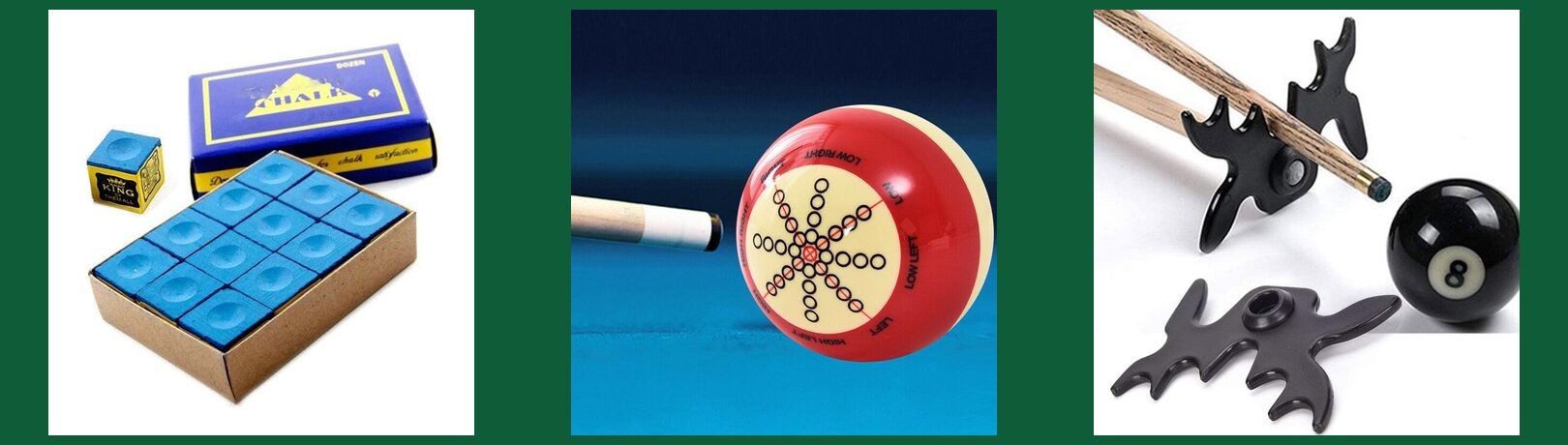
A multi-pack like this 4pcs Cheap Billiards Snooker Cue Chalk Billiard No-slip Chalk Indoor Sport Accessories means you can leave a cube at each end of the table and stop hunting for the one everybody keeps pocketing. Chalk properly — a light, even coating over the whole tip, not a single scrubbed spot — and you'll immediately hold the cue ball better.
Fix the Contact Point: The Tip on the Cue Does the Work
A worn, hardened, or mushroomed tip robs you of control no matter how good your cueing is. Re-tipping is the highest-impact upgrade after chalk, and you don't need to send the cue away to do it.
For a serious step up in feel and consistency, a premium layered tip such as the Japanese Original KAMUI Clear Cue Tips Billiard Pool Cue KAMUI Tip 14mm SS/S/M/H Snooker Tip Brown 11mm M/MH Billiard Accessory is worth it on a cue you actually care about. It holds shape and grips chalk reliably. If you're re-tipping several old house cues for the family, cheaper glue-on tips are the sensible call — spend the money where it's noticed.
A simple rule
- Your main cue: one quality tip, fitted carefully.
- Spare and family cues: budget tips are perfectly acceptable.
Add a Practice Cue Ball So You Can Actually Improve
This one is underrated. A dedicated training cue ball marked with contact spots teaches you where to strike for screw, stun and top spin far faster than guesswork. A resin practice ball like this Billiard Cue Ball Durable Resin Billiard Practice Training Pool Cue Ball Snooker Training Balls Cueball 57mm Table Ball Practice costs almost nothing and turns idle table time into genuine improvement. Check it matches your existing ball size before ordering.
Should You Upgrade the Cue Itself?
If everyone at home is fighting over one warped house cue, a proper personal cue is a step change — but you don't need to overspend. In the £130–£270 range you get an honest, playable cue that will outlast a bargain-bin stick and feel dramatically more consistent.
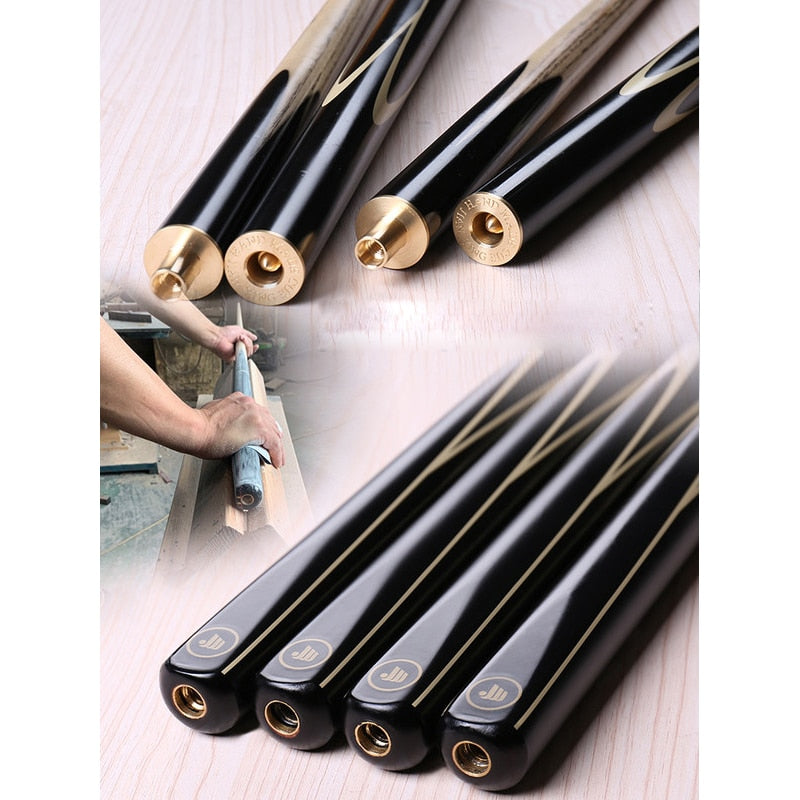
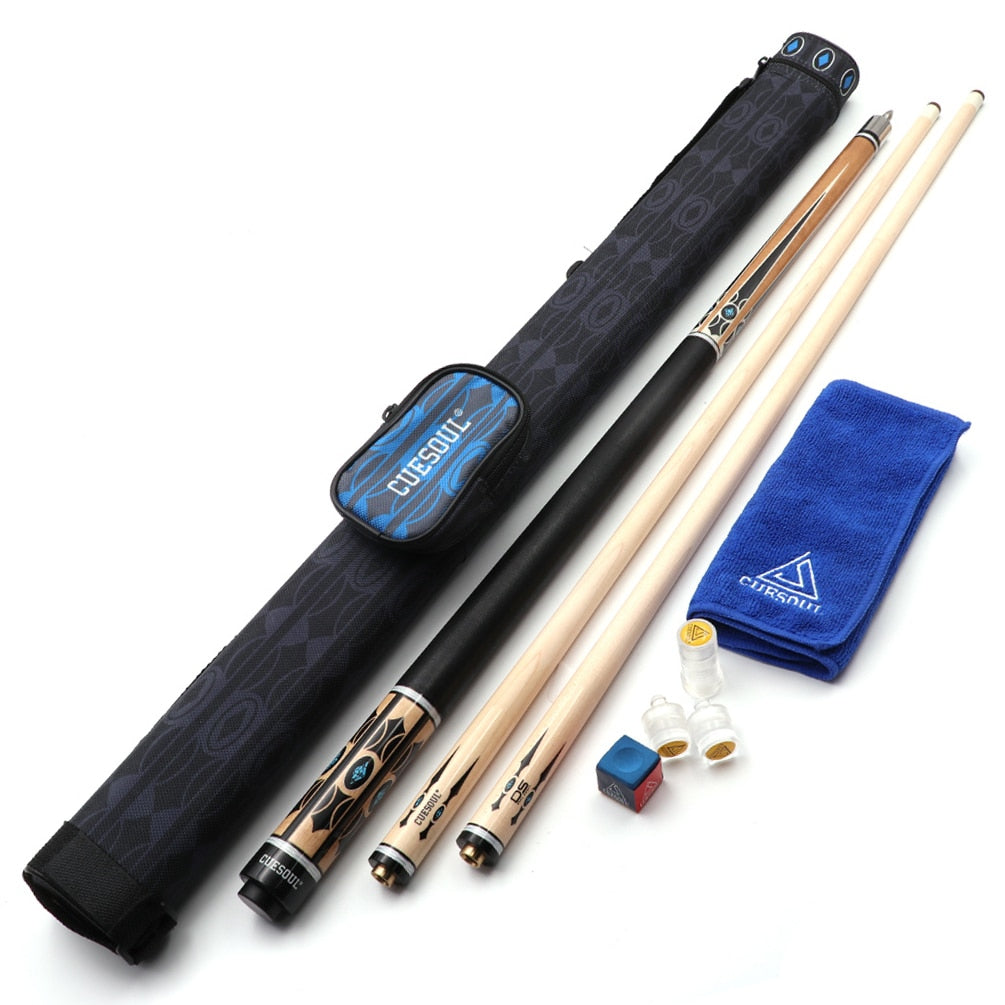
For snooker, a 3/4-jointed ash cue such as the New Arrival Cuppa 3 /4 Snooker Cues Sticks 9.8mm Tips Snooker Cue Brands China or the ash-shafted 2022 New Billiards JIAN YING SD Series Snooker Cue 10mm Tip Ash Shaft Snooker Cue Case Set gives you a slim tip and a case in one buy. If your home table is American pool rather than snooker, the maple-shafted CUESOUL 58" 19oz DS Maple Pool Cue Stick Set with 2 Shaft,13mm Tip Hard Cue Case 1x1(Cue Set and Cue Shaft only for your choice) with a spare shaft is a more suitable fit for the heavier balls and larger tip.

My advice: buy one good cue for the keen player in the house rather than three mediocre ones. Everyone else can happily use tidy house cues.
The Cheap Bits That Make a Room Feel Like a Club
Once the cue ball behaves, the finishing touches are where a home table starts to feel like a proper venue. These are small spends with a big effect on day-to-day enjoyment:
- A wall or table rest holder like this Billiards Cue Rack Bridge Head Cross Antlers Rod Holder Snooker Pool Plastic Staghorn Shape 2 Color keeps cues off the floor and stops them warping against a radiator or wall — a genuine long-term saving.
- A cue glove if the bridge hand gets sticky in a warm room, so the cue slides cleanly instead of stuttering on delivery.
A Sensible Spending Order
If you do nothing else, follow this priority list and stop whenever the table feels good enough:
- 1. Fresh chalk — grip and control, pennies spent.
- 2. A new tip on your main cue — the biggest single feel upgrade.
- 3. A practice cue ball — turns table time into real progress.
- 4. A proper personal cue — only if the house cues are holding you back.
- 5. Storage and small kit — protect what you've bought and enjoy the room.
The Bottom Line
You almost never need to re-lay a cloth or buy a new table to fix a disappointing home game. Sort the contact point between tip and ball, give yourself a way to practise, protect your kit, and only then think about a new cue. Spend in that order and even a modest home table will suddenly play far better than the money suggests.