Snooker Chalk Explained: Colour, Grip and Getting the Most From a Cheap Cube
· Mark O'Sullivan

Chalk is the cheapest thing in your cue case and, frame for frame, one of the most important. It is the tiny layer of grip that stops your tip skidding off the cue ball at the worst possible moment. Yet most players treat it as an afterthought — grabbing whatever cube is lying on the table rail and rubbing it on with a few careless twists. This guide looks at what chalk actually does, how colour and texture come into it, and how to get genuinely good performance from an inexpensive cube.
What chalk really does
Despite the name, snooker chalk isn't blackboard chalk. It's a fine abrasive powder pressed into a cube. When you apply it, thousands of tiny particles cling to the leather tip and dramatically increase friction between tip and ball. That friction is what lets you strike off-centre — for side, screw or top spin — without the tip sliding away. No chalk means a slick contact, and a slick contact means a miscue.
The key thing to understand is that chalk works best as a thin, even coat. A thick, caked-on layer doesn't grip better; it just falls onto the cloth and leaves deposits on the ball. The goal is coverage, not quantity.
Does the colour matter?
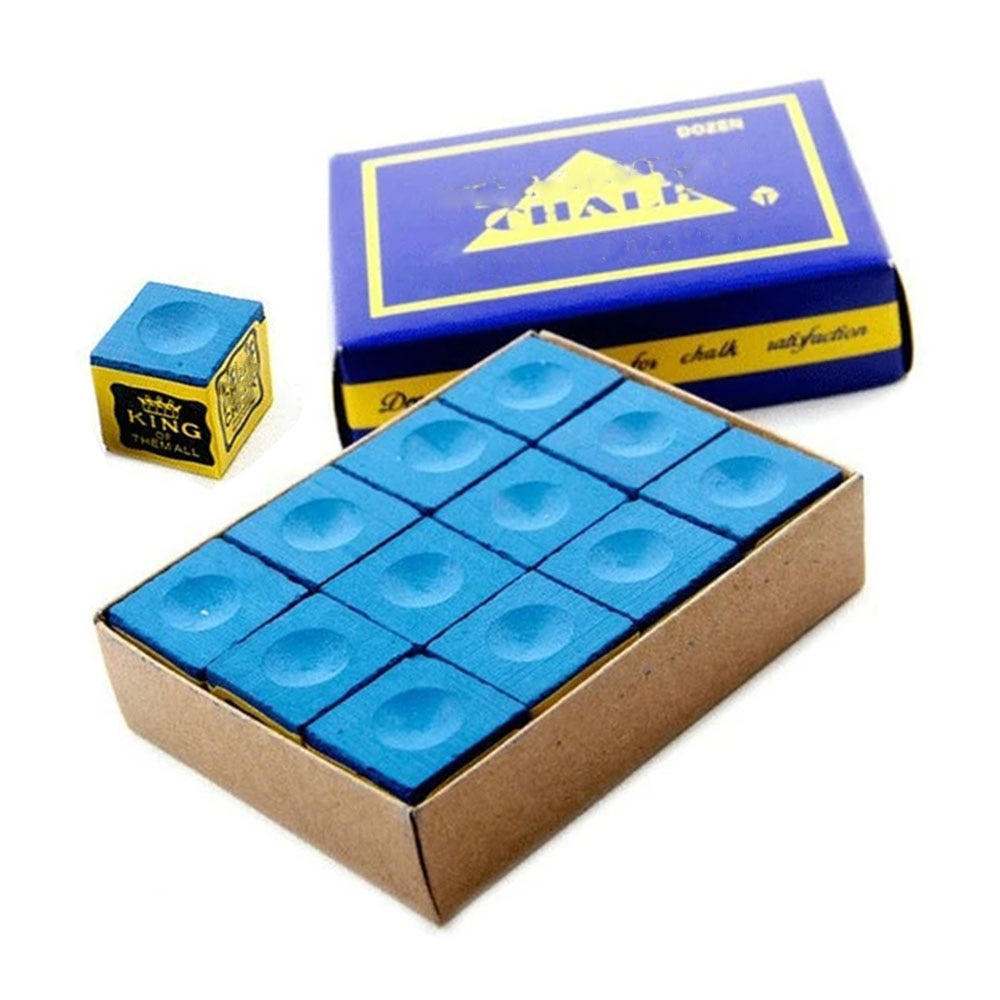
Traditional snooker chalk is green to match the cloth, so stray marks are less visible. Blue is the classic pool colour. Functionally, the difference between good green and good blue is small — colour is mostly about cosmetics and matching your table. What matters far more is the consistency of the powder and how cleanly it applies. A budget multipack like the 4pcs Cheap Billiards Snooker Cue Chalk Billiard No-slip Chalk Indoor Sport Accessories gives you several cubes to keep in your case, your practice room and your kit bag, so you're never caught without one. Honestly, for most club and home players, a reliable, well-applied cheap cube covers 95% of what you need.
How to apply chalk properly
Good technique matters more than the brand on the cube. A few simple habits make an enormous difference:
- Brush, don't grind. Sweep the chalk across the tip in light strokes rather than drilling a hole into the cube. Grinding wears a pit and coats only the centre.
- Cover the whole dome. Rotate the cube around the edges of the tip so the sides get coated too — that's exactly where you strike for side spin.
- Chalk before every serious shot. It takes a second and it's the cheapest insurance against a miscue you'll ever buy.
- Tap off the excess. A light tap prevents clumps landing on the cloth.
Chalk and your tip work together
Chalk can only grip a tip that will hold it. A glazed, over-compressed or bone-hard tip sheds chalk quickly and miscues more often. A tip with a slightly domed, lightly scuffed surface holds chalk beautifully. If you find yourself chalking constantly and still slipping, the tip — not the chalk — is usually the culprit.
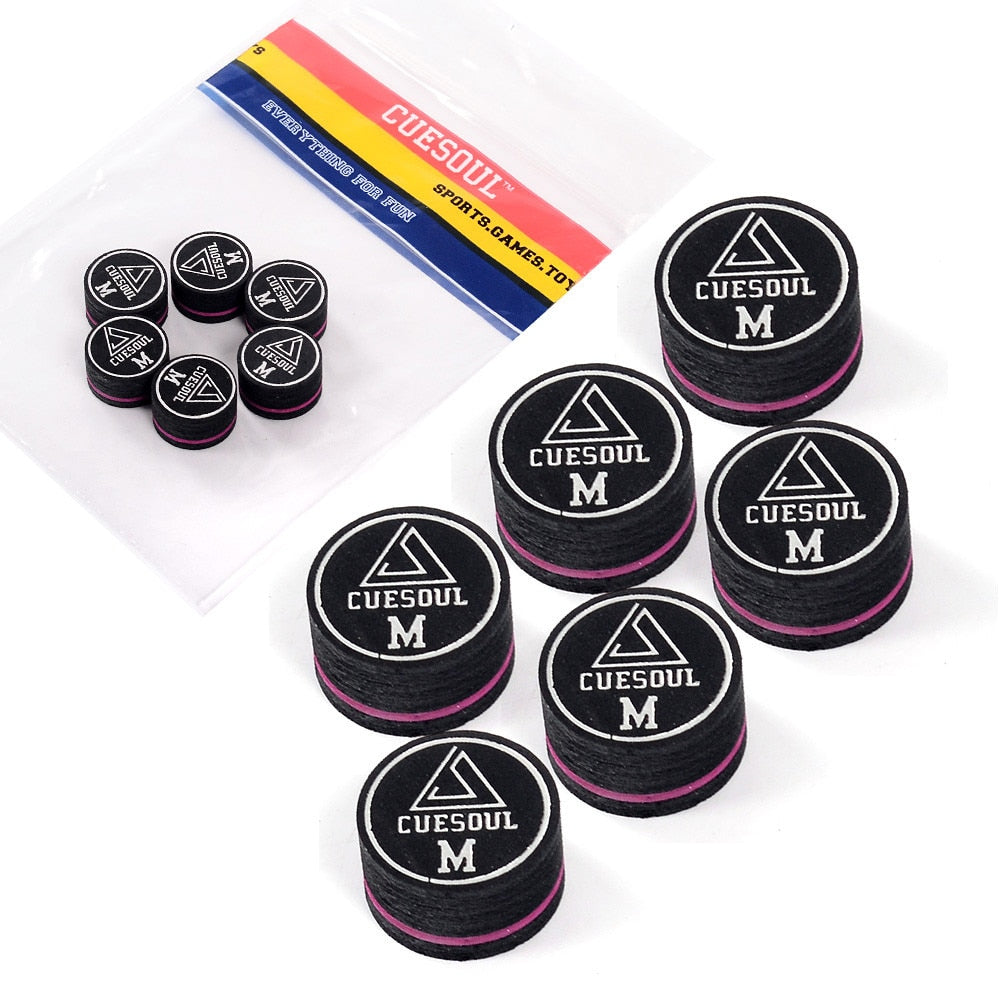
Softer leather tips such as the CUESOUL 6pcs/set 14MM Baked Pig Suede Billiard Snooker Cue Tip & Pool Cue Tip tend to grab and hold chalk readily, which many players like for spin. Premium layered tips like the Japanese Original KAMUI Clear Cue Tips Billiard Pool Cue KAMUI Tip 14mm SS/S/M/H Snooker Tip Brown 11mm M/MH Billiard Accessory hold their shape and chalk consistency well over long sessions. Whatever you fit, keep the surface lightly abraded so it drinks up chalk rather than glazing over.
Small kit that keeps chalk working
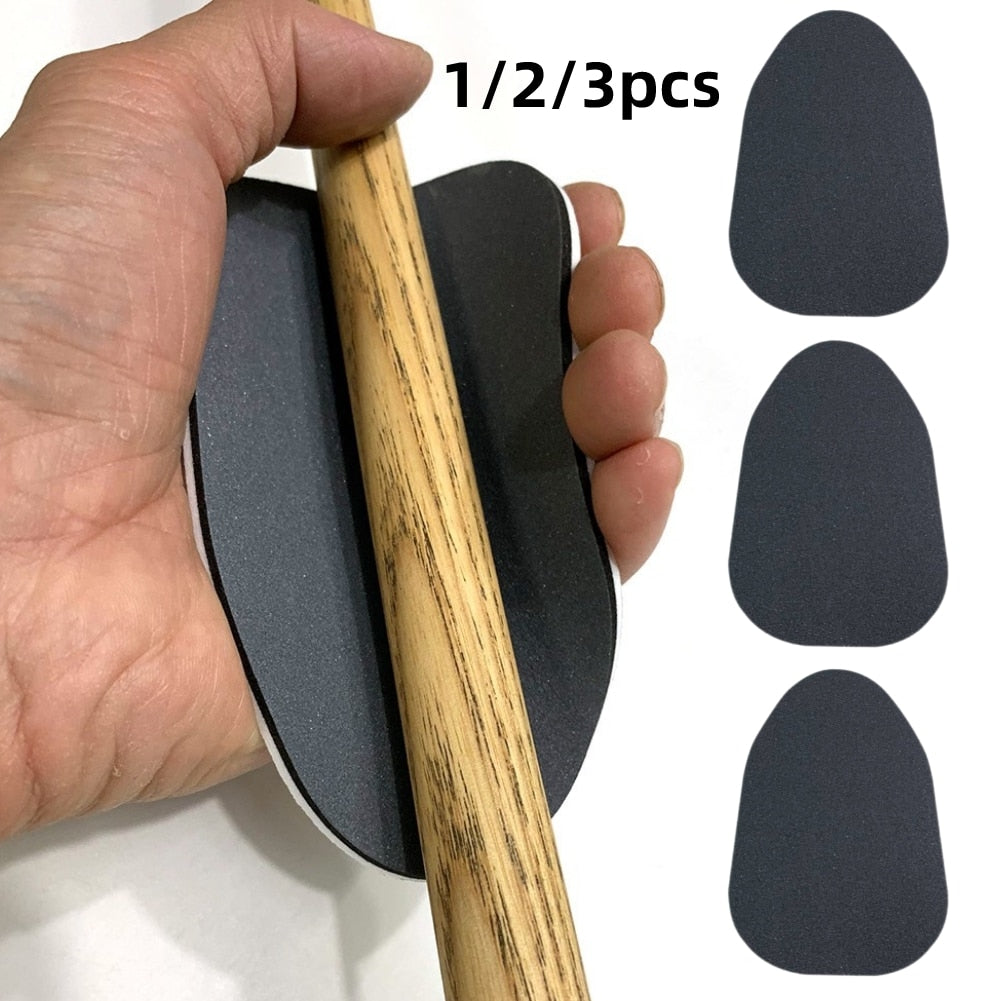
A couple of inexpensive extras help chalk do its job. A glazed tip and a chalk-crusted ferrule are common problems, and a simple 1/2/3pcs Professional Billiard Pool Cue Burnisher Cleaner Polisher Home Cleaning Snooker Pole Training Pool Ball Accessories helps keep the tip and shaft tidy so chalk sits where it should. If chalk dust on your bridge hand is causing a sticky, sluggish delivery, a light Spandex Snooker Billiard Cue Glove Pool Left Hand Open Three Finger Accessory for Unisex Women and Men 4 Colors 1Pcs keeps the cue running smoothly through your fingers.
Quick comparison
Here's how a few relevant items line up for the chalk-and-grip side of your game. These are affordable, mostly imported products, so treat them as sensible everyday kit rather than tournament-grade specialities.

Setting honest expectations
Budget chalk won't magically add spin — technique and a healthy tip do that. What a decent cube does is give you consistent, dependable grip so you can trust your contact every time. For casual and club play, that's exactly what you want, and there's little reason to spend big. If you compete seriously and want the last few percent of consistency, that's when premium chalk becomes worth a look.
The bottom line
Chalk matters because it turns a slippery contact into a confident one. Keep a few clean cubes in your case, chalk lightly before every shot, and pair it with a tip that holds chalk well. Do that, and you'll miscue far less — for the price of a coffee.