How to Maintain and Care for a Snooker Cue
Published · Updated · Mark O'Sullivan

Wipe the shaft after every session, chalk lightly, protect the tip, and store the cue flat or cased away from heat and damp.
A decent snooker cue isn't a disposable item. Treated well, an ash or maple shaft will play sweetly for decades — but neglect it and you'll feel the difference long before you can see it. Sticky shafts, glazed tips and warped timber are almost always the result of poor habits rather than bad luck. The good news is that proper care costs very little, takes only a few minutes a week, and the kit that helps is genuinely cheap.
This guide brings together the daily habits, the component-by-component detail, and the weather-proofing that keep a cue playing straight and true for years.
A cue is four parts, not one
Most care advice treats a snooker cue as a single object. In practice it's four working parts — the tip, the ferrule, the shaft and the butt/joint — and each wears differently and needs different attention. Understanding this stops you wasting effort on the wrong thing.
The tip: your only contact with the ball
The tip does all the actual work, so it degrades fastest. Two things ruin it: glazing (it goes shiny and hard and stops holding chalk) and mushrooming (it spreads wider than the ferrule and starts to peel).
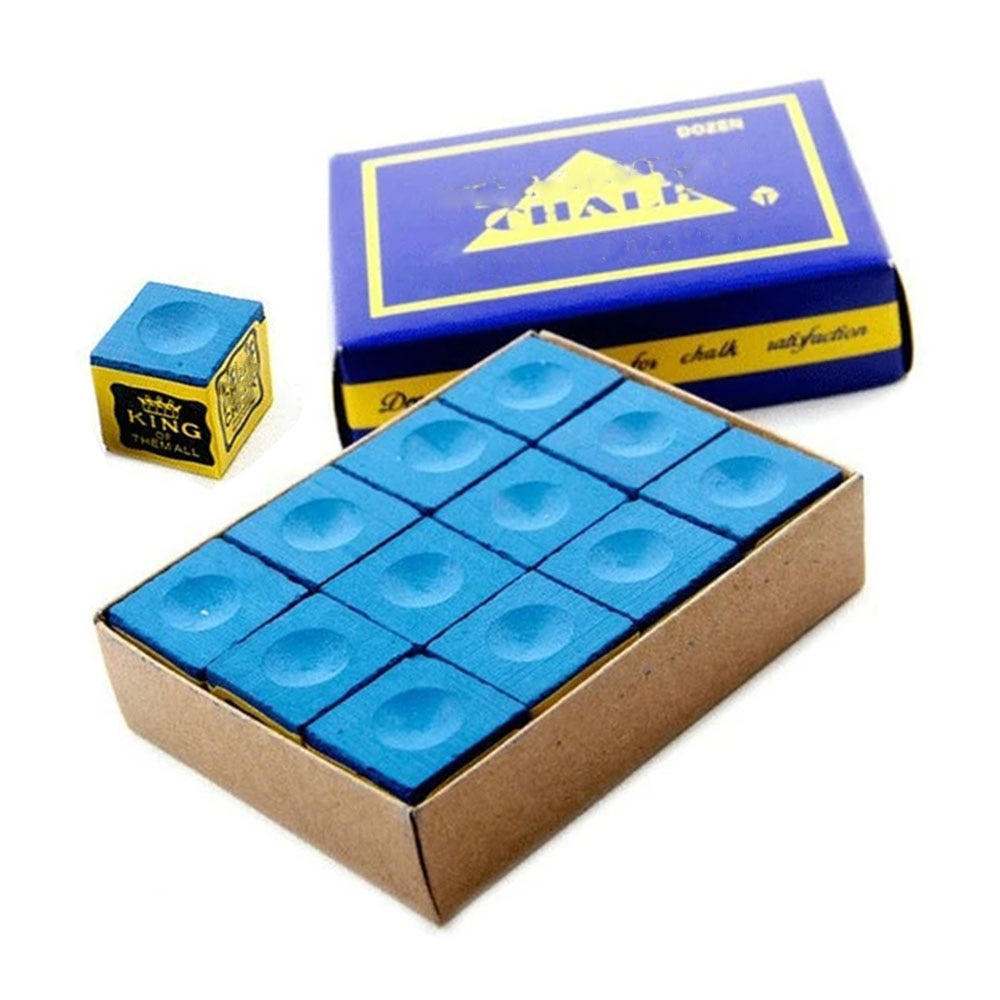
- Keep it chalked, not caked. Brush chalk on with light strokes rather than grinding it into a single spot. A cheap multipack such as the 4pcs Cheap Billiards Snooker Cue Chalk means you're never scraping the last flakes off a worn-out block.
- Maintain a domed profile, roughly the curve of a five-pence piece, so it grips the ball across a range of striking positions. Lightly scuff a glazed tip to restore texture; don't sand it flat. Trim any mushrooming back flush with the ferrule.
- Know when to replace. Once a tip glazes over, keeps miscuing or wears down near the ferrule, it's done. For a genuine upgrade, the Japanese Original KAMUI Clear Cue Tips hold shape and chalk well across a range of hardnesses. For a fast, no-fuss fix on a house or spare cue, screw-on replacement tips get you playing again in minutes, and if you'd rather have spares on hand for re-tipping several cues, the CUESOUL 6pcs/set Baked Pig Suede Cue Tips work out cheaper per tip. Fitting a glue-on tip well takes a steady hand — if you're unsure, your local club will usually re-tip a cue for a small fee.
The ferrule: the quiet weak point
The ferrule is the small collar between tip and shaft. It takes the impact shock and protects the wood beneath. It's easy to ignore until it cracks — usually because someone jacked up over a ball and struck downward hard, or because a mushroomed tip put sideways stress on it. Keep the tip trimmed flush, wipe chalk dust off the ferrule so it doesn't grind into the joint, and avoid heavy masse-style shots on a cue that isn't built for them. A hairline crack means a trip to a cue repairer — it's not a home job.
The shaft: speed, feel and moisture
The shaft is where a good cue lives or dies. You want it clean, smooth and, above all, straight. Chalk dust, hand oils and table grime build into a sticky film that drags on your bridge hand and dulls the finish.
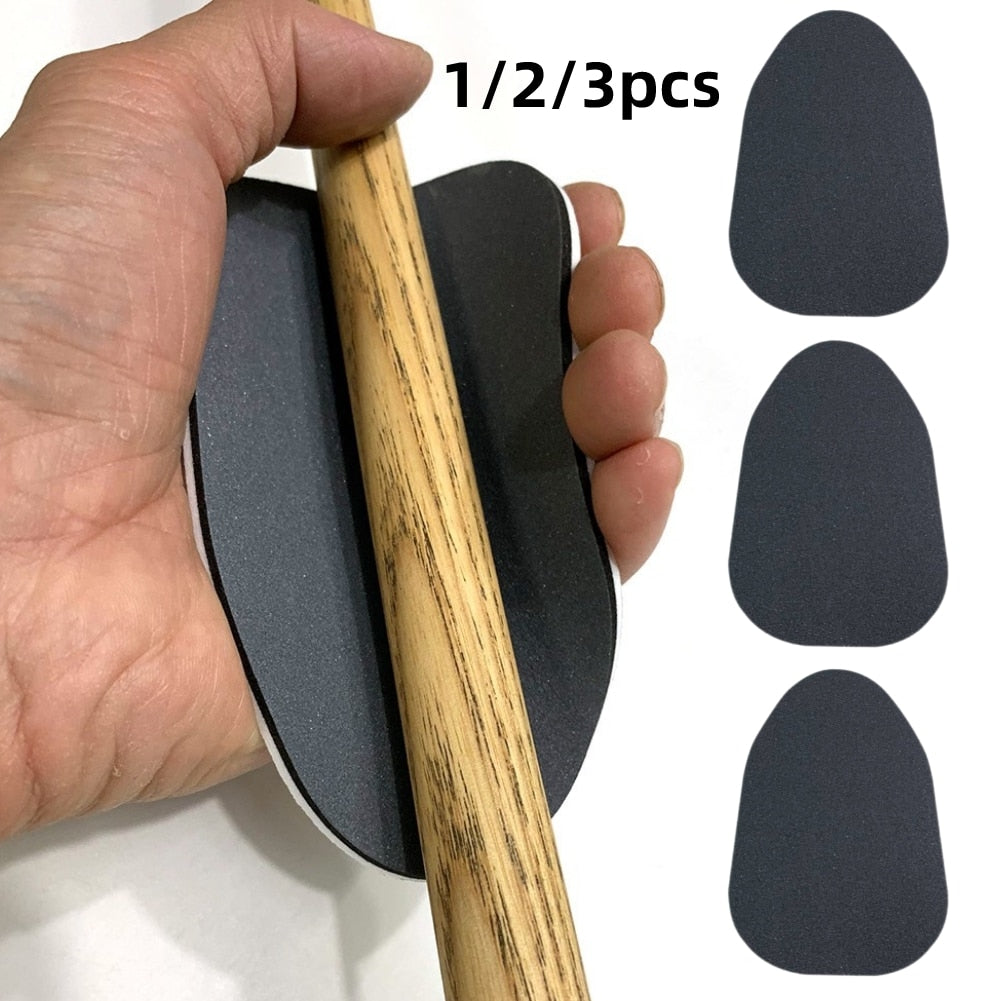
Wipe the shaft down after every session with a clean, dry cloth, working from the joint towards the tip and along the grain, never against it. When it needs more than a wipe, a dedicated tool such as the 1/2/3pcs Professional Billiard Pool Cue Burnisher Cleaner Polisher lifts residue and friction-polishes the timber back to a slick glide. Go gently — burnishing generates heat, so short passes beat aggressive scrubbing, and over-polishing an ash shaft can flatten its natural chatter. Do this weekly or every couple of weeks rather than daily.
What to avoid: sandpaper, which thins the shaft and removes the finish; household sprays and solvents, which attack lacquer and raise the grain; and soaking the wood in water, which is a common cause of warping. If you must dampen a cloth for stubborn marks, wring it nearly dry first and let the cue air completely afterwards.
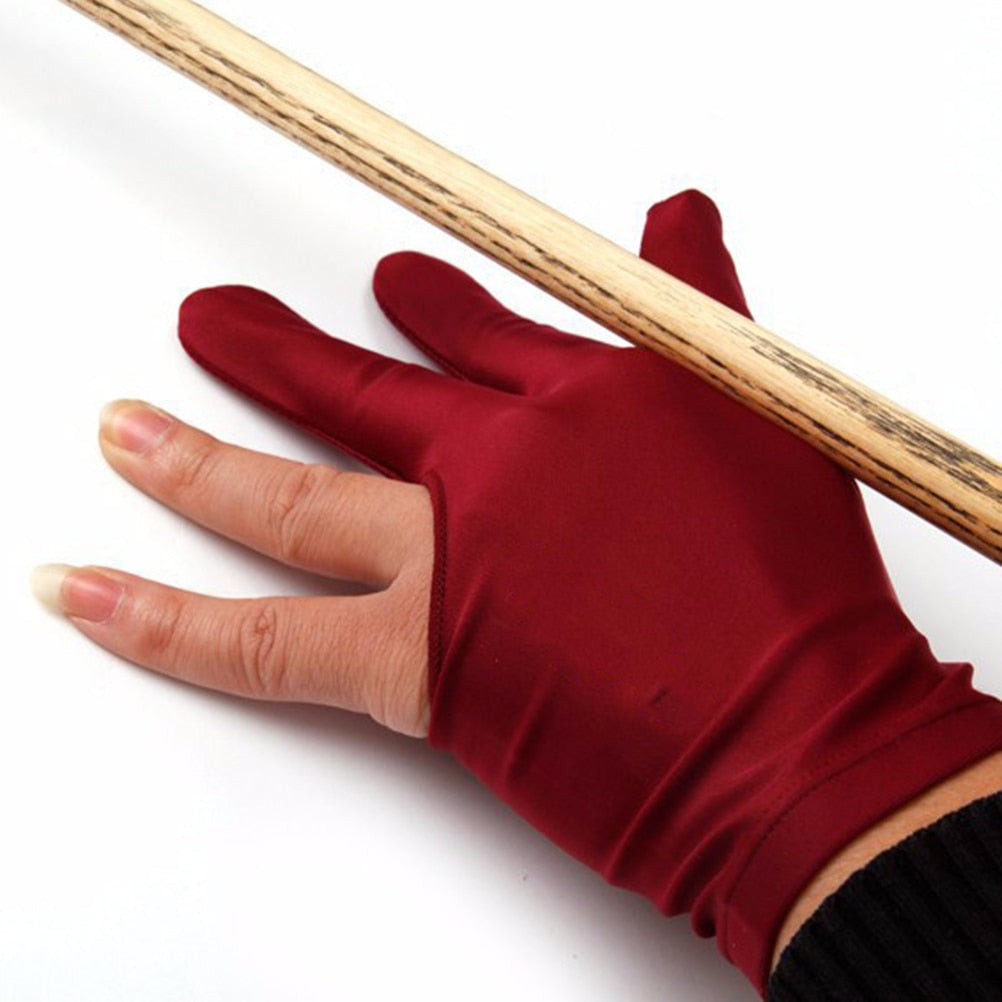
If your hand drags no matter how clean the shaft is, the culprit is usually your skin, not the wood — humidity and sweat make even a slick shaft feel tacky. A breathable Spandex Snooker Billiard Cue Glove gives a consistent, friction-free glide session to session and keeps hand oils off the wood in the first place, meaning far less cleaning in the long run.
The butt and joint: grip, balance and threads
The butt gets the least attention and needs the least, but a few things matter. Keep the grip area clean so it doesn't turn slick with sweat. On a jointed cue, keep the brass threads and faces free of chalk dust — a quick wipe before assembly stops grit wearing the joint and keeps the two halves meeting flush. Hand-tighten only; forcing a joint strips it over time. If your cue takes an extension, check the fit occasionally rather than discovering a loose thread mid-shot.
Weather, humidity and why storage matters most
Most cue damage isn't caused by a dramatic knock — it's caused by the weather. A snooker cue is a long, slim piece of natural wood, and wood breathes: it soaks up moisture on a damp evening and gives it back next to a hot radiator. That constant swell-and-shrink cycle is what warps shafts, opens tiny cracks in lacquer and loosens ferrules.
Ash and maple are hygroscopic, meaning they absorb and release water vapour depending on the air around them. When one side of a shaft dries faster than the other — say, if it's leant against a wall with one face towards a heat source — the wood pulls unevenly and a bend develops. Over weeks it can become permanent. Three conditions do the most harm:
- Damp: garages, sheds and cold conservatories, where moisture creeps into the timber and softens glued joints.
- Dry heat: radiators, airing cupboards and sunny windowsills, which draw moisture out too quickly and can craze the finish.
- Rapid swings: a cold car boot followed by a warm club room — the fastest route to a warp.
Storage rules that actually prevent warping
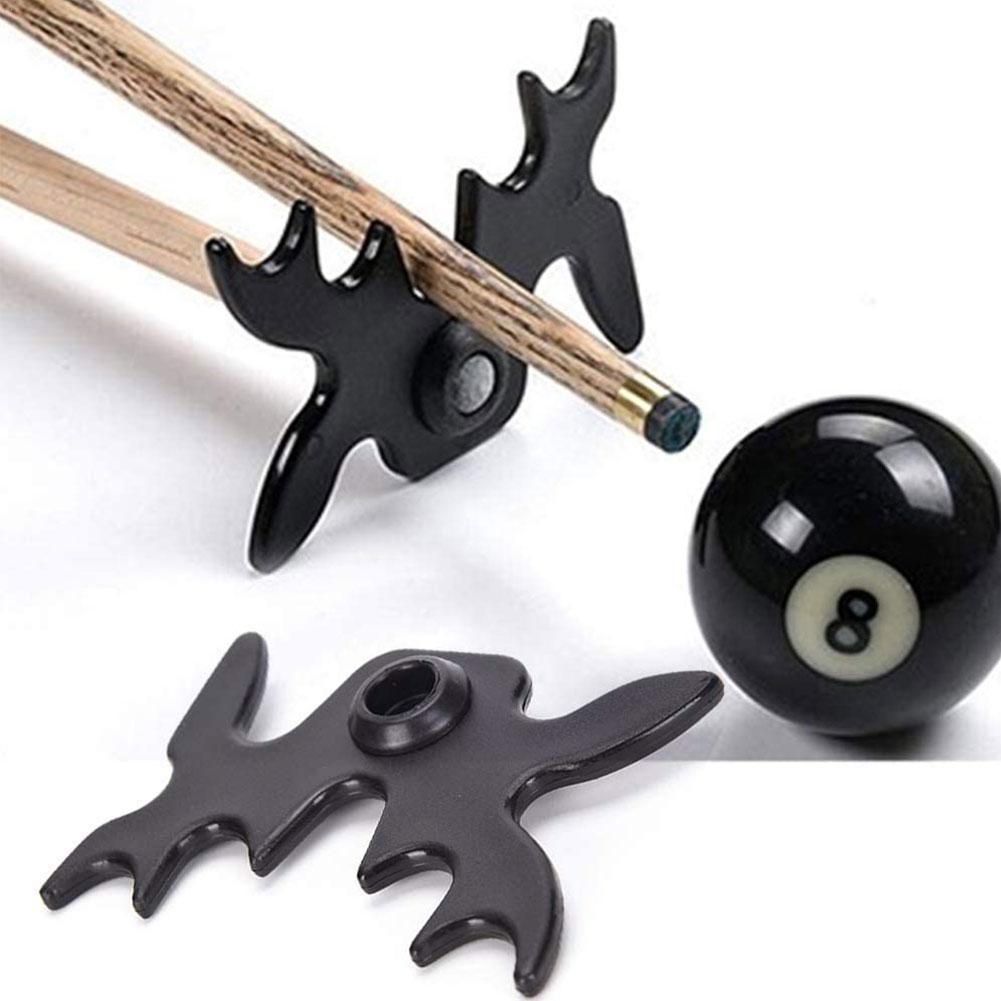
Store your cue horizontal or hanging, never stood on its tip or leant against a wall for days on end. Standing a cue upright lets gravity and any slight moisture imbalance pull it out of true. If you keep a cue out at home, a wall rack is the cheapest insurance you can buy — the Billiards Cue Rack Bridge Head Cross Antlers Rod Holder supports it at two points, off the floor and away from door-swing knocks.
For anything more than casual home play, a proper case is non-negotiable. It buffers temperature swings, keeps humidity off the shaft and stops accidental dings. Cue sets such as the NEW Cuppa Ash Wood 3/4 Snooker Cue Stick Case Set and the Cuppa Handmade 3/4 Snooker Cue Case Set include a case built to fit the cue, so there's no rattling around inside an oversized tube. These are affordable, imported cues rather than hand-built bespoke work, so treat the case as protection worth using every time, not just for transport.
If you live somewhere damp or store your cue in less-than-ideal conditions, a well-sealed finish helps buy some margin. Look for cues that mention anti-cracking or protective lacquer, such as the Handmade Cuppa 3/4 Snooker Cue with Anti-Cracking Lacquer. No finish makes a cue fully weatherproof — it just slows the process, so storage habits still do the heavy lifting.
Seasonal checkpoints
- Winter: keep the cue away from radiators, and never bring it straight from a cold car into a warm room — let it acclimatise in its case for an hour before play.
- Summer: direct sun through a window is a warp waiting to happen. Store cases out of sunlight, and check the tip, since heat can soften glue and lift the edge.
- Any season: roll the shaft on a flat table every few weeks. A slight wobble caught early can often be corrected by re-storing the cue flat; a pronounced warp usually can't be reversed.
Everyday care kit compared
Here's how the core maintenance items stack up so you can prioritise.

Practise your cue-ball control too
You can't always rope a friend into a frame, but you can always work on cue-ball control, and doing so puts less erratic strain on your equipment. A dedicated practice ball such as the Billiard Cue Ball Durable Resin Practice Training Ball lets you drill stun, screw and follow-through without setting up a full table of object balls.
A realistic maintenance rhythm
- Every shot: a light, even coat of chalk.
- Every session: wipe the shaft dry, check the tip's shape, return the cue to its case or rack.
- Weekly or fortnightly: burnish the shaft, scuff a glazed tip, wipe the joint threads.
- Once or twice a year: roll the cue on a flat table to check for wobble, inspect the ferrule and joint for cracks, re-tip if it's worn down near the ferrule.
Being realistic about budget kit
Almost everything above is inexpensive and largely imported, and it's worth setting expectations accordingly. Cheap chalk, gloves, racks and burnishers do the fundamental job well — they clean, they grip, they glide, and you can refresh your entire kit for less than the price of a round at a club. What you're not buying at these prices is the last few percent of consistency or a precision-machined finish. For daily care that's absolutely fine. The one area where spending more genuinely pays is the tip, because it's the only part of the cue that touches the ball.
Final thoughts
Cue care isn't complicated and it isn't expensive. A clean shaft, a well-kept tip, fresh chalk, sensible storage and a bit of respect for the weather will do more for your consistency than almost any equipment upgrade. Spend five minutes a week and your cue will reward you frame after frame.
Frequently asked questions
How often should I clean my snooker cue shaft?
Wipe it down with a dry cloth after every session to remove chalk dust and hand oils. A deeper clean and burnish every week or two is enough to keep it feeling slick, and doing more than that risks over-polishing.
Can I use water to clean my cue?
Avoid soaking the wood, as this raises the grain and can cause warping. If you need to lift a stubborn mark, wring a cloth nearly dry first, wipe briefly, then dry the shaft fully straight away.
How do I know when my cue tip needs replacing?
Replace it when it glazes over and won't hold chalk, flattens out, mushrooms over the ferrule, or wears down close to the ferrule itself. Minor glazing can often be scuffed back to life, but a genuinely worn tip should be swapped rather than nursed along.
Why does my cue feel sticky even though it's clean?
A sticky bridge hand is usually caused by humidity or sweat rather than a dirty shaft. A lightweight cue glove gives a consistent, friction-free glide on warm or damp days without needing to clean the cue more often.
What's the best way to store a snooker cue?
Store it flat or hanging vertically in a case, away from radiators, direct sun and damp rooms such as garages or sheds. Never lean it against a wall for extended periods, since gravity and uneven drying can pull it out of true over time.
Does weather really affect a snooker cue?
Yes. Ash and maple are hygroscopic, meaning they absorb and release moisture depending on the surrounding air, and uneven drying is what causes warping. Rapid swings between cold and warm, such as a car boot to a heated club, are especially damaging.
Do I need a case, or is a wall rack enough?
A wall rack is a good cheap option for a cue that stays at home, keeping it supported and off the floor. For anything involving transport or storage in variable conditions, a proper case offers far better protection against knocks, temperature swings and humidity.
Is expensive cue-care kit worth it?
For everyday cleaning, chalk and storage, budget imported accessories do the job perfectly well and cost very little. The one place it's worth spending more is the tip, since it's the only part of the cue in contact with the ball and a quality tip noticeably improves chalk hold and feedback.