The Snooker Player's Everyday Carry: Accessories That Never Leave My Cue Case
· Mark O'Sullivan

Buy a decent cue and you're halfway to enjoying snooker properly. The other half is the small stuff — the bits and pieces that live in the pockets of your case and quietly stop your game from being interrupted by a dry tip, a sticky bridge hand or a cue you can't reach the ball with. None of it is glamorous, and most of it is inexpensive. But when a club regular opens their case and it's all there, ready to go, that's not luck. It's a deliberately assembled everyday carry.
Here's what I keep in mine, why each item survives the cut, and how to build the same kit without overthinking it. A quick note on honesty first: most of these are affordable, imported accessories. They do the job well for the money, but treat them as sensible workhorses rather than heirloom items.
Chalk: the one thing you must never be without
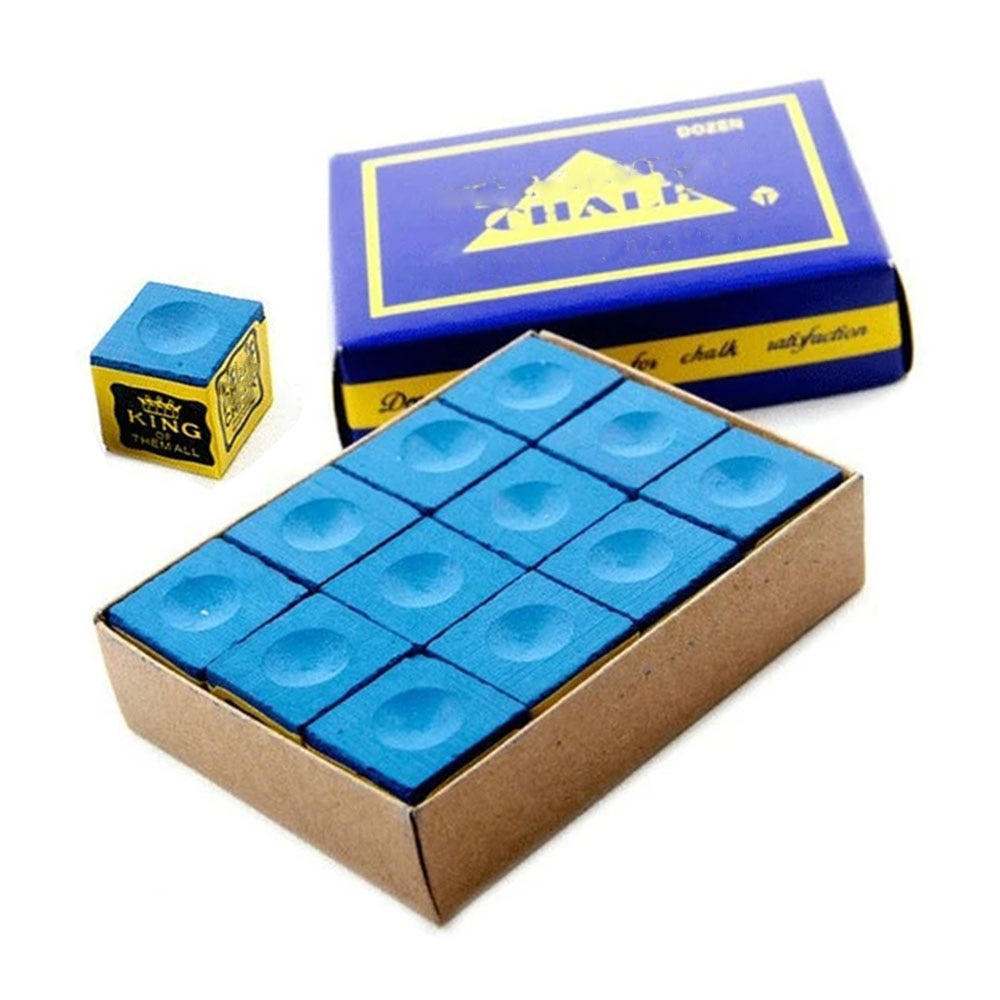
If you own a single accessory, make it chalk. A dry, glazed tip is the single biggest cause of miscues, and no amount of good technique will save you from it. Keep at least two cubes on the go — one in your case, one as a spare, because chalk has a habit of vanishing in busy clubs. A multipack like the 4pcs Cheap Billiards Snooker Cue Chalk Billiard No-slip Chalk Indoor Sport Accessories means you're never caught short, and having a few knocking about the house is no bad thing either.
Chalk properly, too: light, brushing strokes across the tip rather than grinding a crater into the middle. You want an even coating, not a hole.
A glove for a smooth, consistent bridge
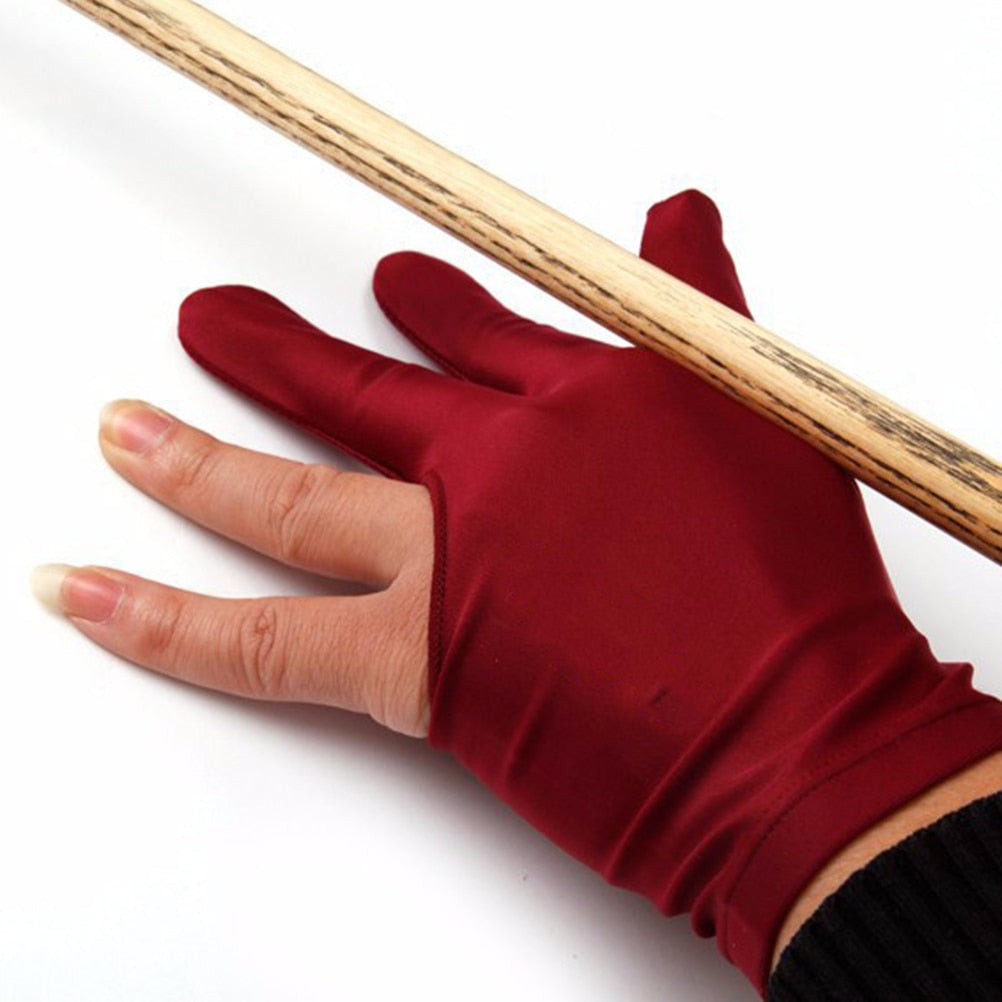
Whether you need a glove depends entirely on your bridge hand. If it drags, sticks or drics up under the lights — or gets clammy on a warm evening — a glove transforms your delivery from stuttery to smooth. A three-finger design such as the Spandex Snooker Billiard Cue Glove Pool Left Hand Open Three Finger Accessory for Unisex Women and Men 4 Colors 1Pcs leaves your thumb and little finger free to form the bridge while the cue glides cleanly over the fabric.
Get the handedness right: the glove goes on your bridge hand, which for a right-handed player means the left. It's a personal-preference item, so if you've never had grip trouble, you may not need one — but at this price it's worth trying.
A cue extension for the shots you can't otherwise reach
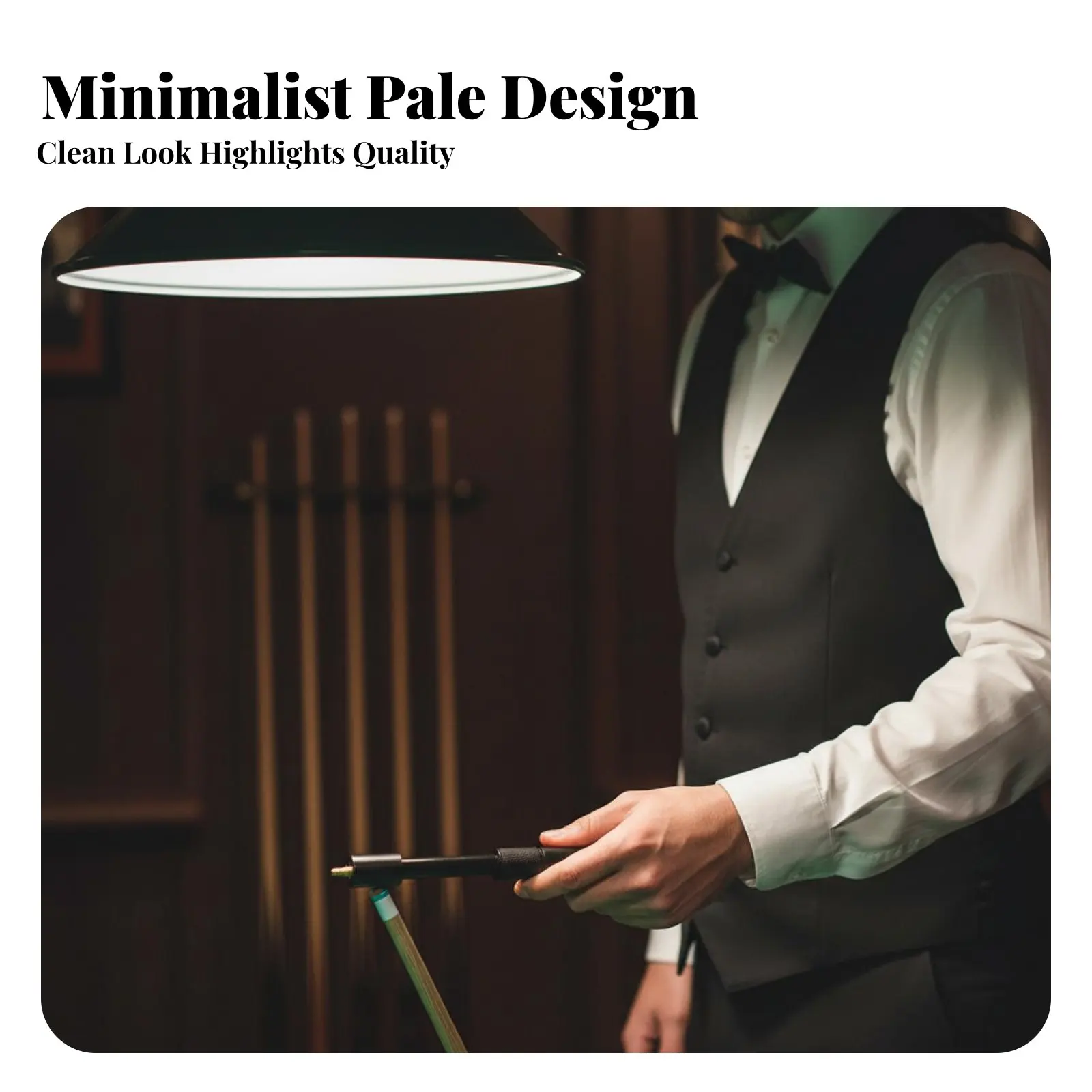
Every player eventually faces a shot stretched over the baulk cushion where they simply can't get behind the cue ball comfortably. A telescopic extension solves it in seconds. The Snooker Cue Extender Adjustable Length Telescopic Cue Extension slips onto the butt of the cue to add reach without forcing you into an awkward, unbalanced stance. It's the kind of thing you ignore until the day you need it, and then wonder how you managed without it.
Cue-care kit: keep the shaft fast and the tip in shape
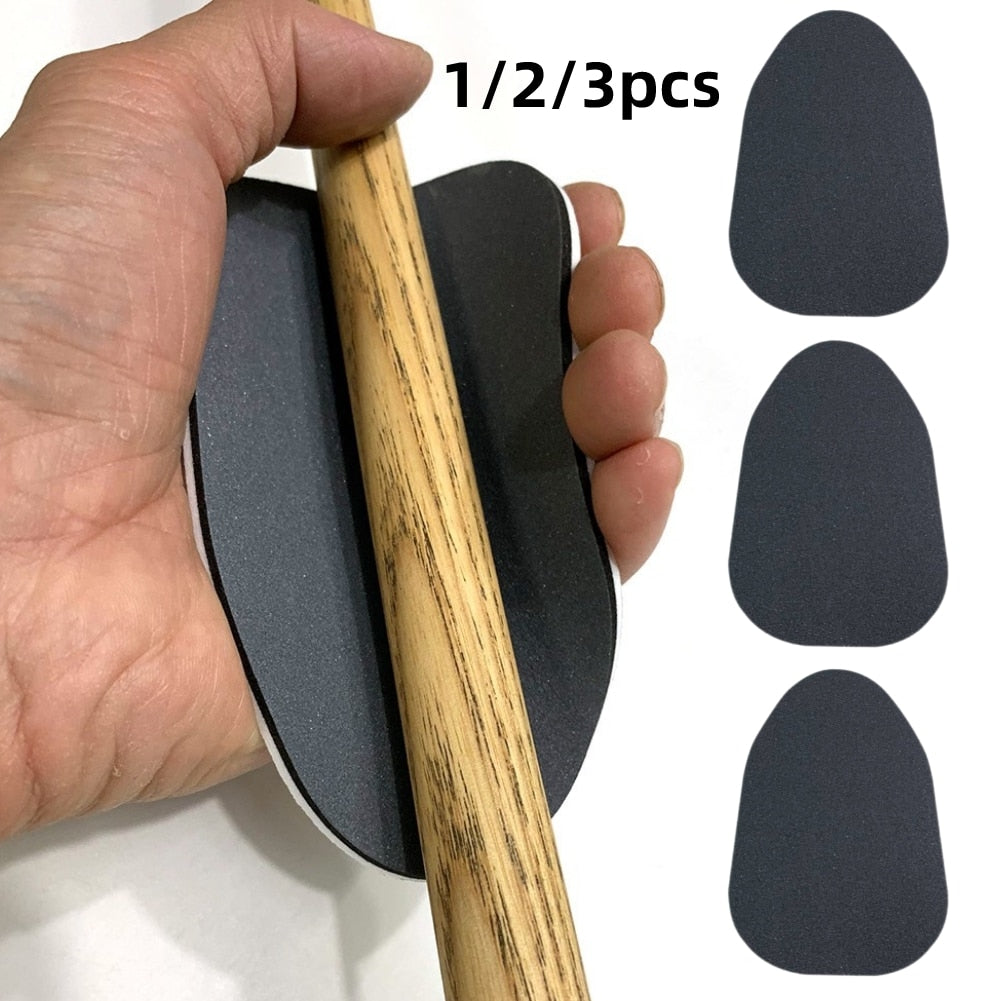
A shaft that's gone sticky with hand oils and chalk dust plays slow and feels rough. A little maintenance goes a long way, and a burnisher and cleaning tool like the 1/2/3pcs Professional Billiard Pool Cue Burnisher Cleaner Polisher Home Cleaning Snooker Pole Training Pool Ball Accessories keeps the shaft smooth and the tip tidy. Spend two minutes at the end of a session rather than letting grime build up over weeks — your cue will feel noticeably cleaner through the bridge.
A spare cue ball for practice
If you have any access to a table for solo practice, a dedicated practice cue ball earns its keep. The Billiard Cue Ball Durable Resin Billiard Practice Training Pool Cue Ball Snooker Training Balls Cueball 57mm Table Ball Practice is a cheap way to drill your cue-ball control — line-ups, positional shots, screw and stun — without needing a full set out. Practising alone with just the white and a target is one of the fastest routes to a more reliable break.
Somewhere sensible to store the cue at home
Leaning a cue in a corner is how butts get dented and shafts pick up a bow. A simple wall or table rack such as the Billiards Cue Rack Bridge Head Cross Antlers Rod Holder Snooker Pool Plastic Staghorn Shape 2 Color holds the cue safely and keeps it off the floor. It's a small spend that protects a much bigger one.
Quick comparison: the everyday-carry essentials
Here's how the core kit stacks up so you can prioritise your first few purchases.
What order should you buy them in?
If you're starting from zero, spend in this rough order:
- Chalk first — non-negotiable, and dirt cheap.
- Glove next, if your bridge hand drags at all.
- Cue-care kit once you're playing regularly and want the shaft to stay quick.
- Extension the first time a long shot embarrasses you.
- Practice cue ball and a rack if you've a table at home.
None of this replaces good technique, and none of it is expensive. But a well-stocked case is the difference between turning up ready to play and spending the first frame borrowing chalk and wishing you'd brought a glove. Sort the small stuff once, keep it topped up, and you'll never think about it again — which is exactly the point.