Snooker Gloves Explained: Why Players Wear Them and How to Choose
Published · Updated · Mark O'Sullivan

A snooker glove gives your bridge hand a smooth, low-friction surface so the cue glides consistently, whatever the weather or your nerves.
Watch any modern professional session and you'll spot it: a snug, three-fingered glove on the bridge hand. It isn't fashion, and it isn't imitation for its own sake. It solves a genuine problem — a cue that drags, sticks or judders across a warm or sweaty hand. Here's an honest look at what a glove actually does, who benefits most, and how to choose one without overthinking it.
What a snooker glove actually does
Your bridge hand forms the channel the cue slides through on every shot. Bare skin is unpredictable — it changes with temperature, nerves, hand cream, chalk dust and simple sweat. The moment that skin turns tacky, the shaft catches, and that tiny hesitation at the point of delivery is enough to nudge the cue ball off line.
A glove replaces that unreliable skin-on-wood contact with a thin, stretchy fabric — typically spandex or a similar synthetic — that behaves the same whether your hands are bone dry or clammy. It doesn't make you a better player; it simply removes one variable that can quietly sabotage your potting. The trade-off is feel: some players love the direct connection of bare skin and find any glove numbs it slightly. That's a fair point, and it's exactly why a glove is worth trying rather than assuming.
The benefits players notice
- Consistent glide — the same slide on shot one as on shot fifty-one, whatever the room temperature.
- Sweat immunity — humid rooms and clammy hands stop mattering.
- A cleaner shaft — less skin oil transfers onto the wood, so it stays faster for longer and needs less frequent cleaning.
- No talc mess — a glove does the same job without powder drifting onto the cloth.
- Comfort — long sessions feel less sticky and tiring on the bridge hand.
Do you actually need one?
Not everyone does. If your hands stay naturally dry and cool and your cue already glides freely, a glove may add very little — plenty of fine players cue bare-handed for their whole careers. But you're a strong candidate for one if any of the following sound familiar:
- Your bridge hand sweats, or you feel the cue "catch" or drag mid-delivery.
- You play in a warm or humid club or room.
- You constantly wipe your bridge hand on your trousers or a towel between shots.
- You currently rely on talc or chalk dust rubbed on your bridge hand — a messy habit that flakes onto the cloth and shaft.
- You want one less variable to think about when you're down on a shot.
Given a glove costs about the same as a couple of coffees, it's a low-risk experiment. Many players feel the difference within a session and never look back; others try one, decide they prefer bare skin, and have lost very little finding out.
Which hand — and why it trips people up
This is the detail that catches beginners out: the glove goes on your bridge hand, the one resting on the table, not the hand that grips the butt. A right-handed player cues with the right hand and bridges with the left, so they need a left-hand glove. A left-handed player is the mirror image and needs a right-hand version.
Because most players are right-handed, the majority of gloves on the market are sold as left-hand models — so left-handers in particular should check the listing carefully before buying. Some gloves are cut for one hand only; others are designed to fit either. The 3 Finger Billiard Gloves Pool Cue Gloves for Left/ Right Hand Men/Women is a good example of a versatile pair offered for either hand, which is handy if you're unsure, left-handed, or sharing kit with someone else.
The three-finger, open-back design explained
Almost every snooker glove follows the same sensible pattern: it covers the thumb, index and middle finger — the digits that form the bridge and take the friction — while leaving the ring finger, little finger and fingertips exposed. This isn't an accident. The covered fingers give the cue its smooth, low-friction channel, while the open fingertips let you keep feeling the cloth and forming a stable bridge.
The Spandex Snooker Billiard Cue Glove Pool Left Hand Open Three Finger Accessory for Unisex Women and Men 4 Colors 1Pcs is a textbook example of this layout: a breathable stretch fabric, open three-finger cut, and a choice of colours. If you want a smoother shaft-facing finish and a slightly dressier look, the Snooker Billiard Glove EmbroideryBillard Gloves Left Hand Three Finger Smooth Biliardo Guanti Accessories Fingerless Gloves offers the same fingerless format with embroidered detailing.
Fit and fabric: what actually matters
Fit matters more than anything else with a glove. Too loose and the fabric bunches under the cue, creating exactly the drag you're trying to remove; too tight and it restricts your bridge and feels uncomfortable over a long session. You want it snug like a second skin, with no wrinkling across the surface the cue runs over.
Most affordable gloves use a spandex or Lycra-style blend, which stretches to fit a wide range of hands and breathes reasonably well. A few practical pointers when choosing:
- Check the sizing notes. Imported one-size gloves can run small or generous depending on the batch — if you're between sizes or have larger hands, read the listing carefully.
- Look for a smooth face across the thumb and first two fingers, where the cue actually slides. Cheaper gloves can feel slightly grippy when new but usually smooth in after a few sessions.
- Confirm the hand before you buy — many listings are cut specifically for the left hand.
- Buy a spare. They're inexpensive, and the fabric does wear at the cue-contact line over time.
Be realistic about what you're buying: these are affordable, mostly imported gloves rather than premium branded tour gear. For the money they do the core job well, but expect modest stitching, approximate sizing and a fairly universal fit rather than tailored luxury. Buy with that in mind and you'll be pleased; expect hand-stitched precision at a couple of pounds and you won't be.
Comparing the options
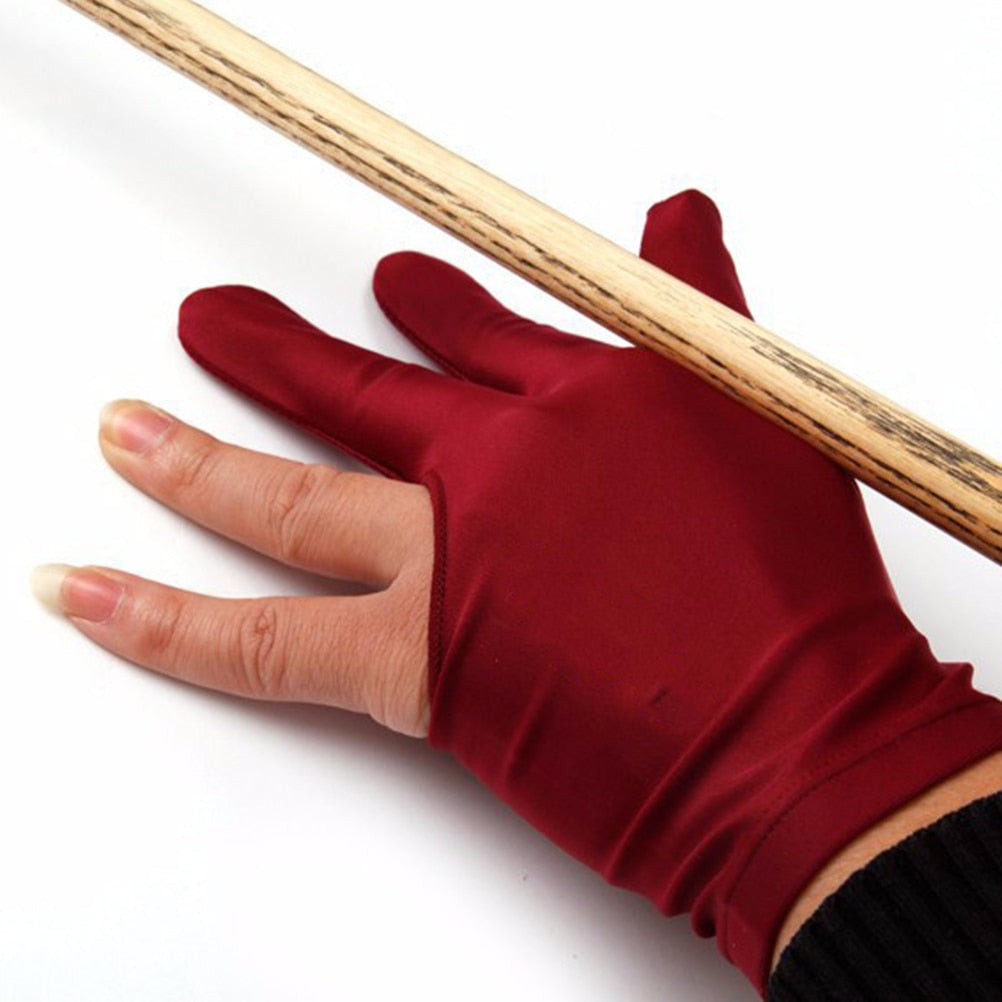
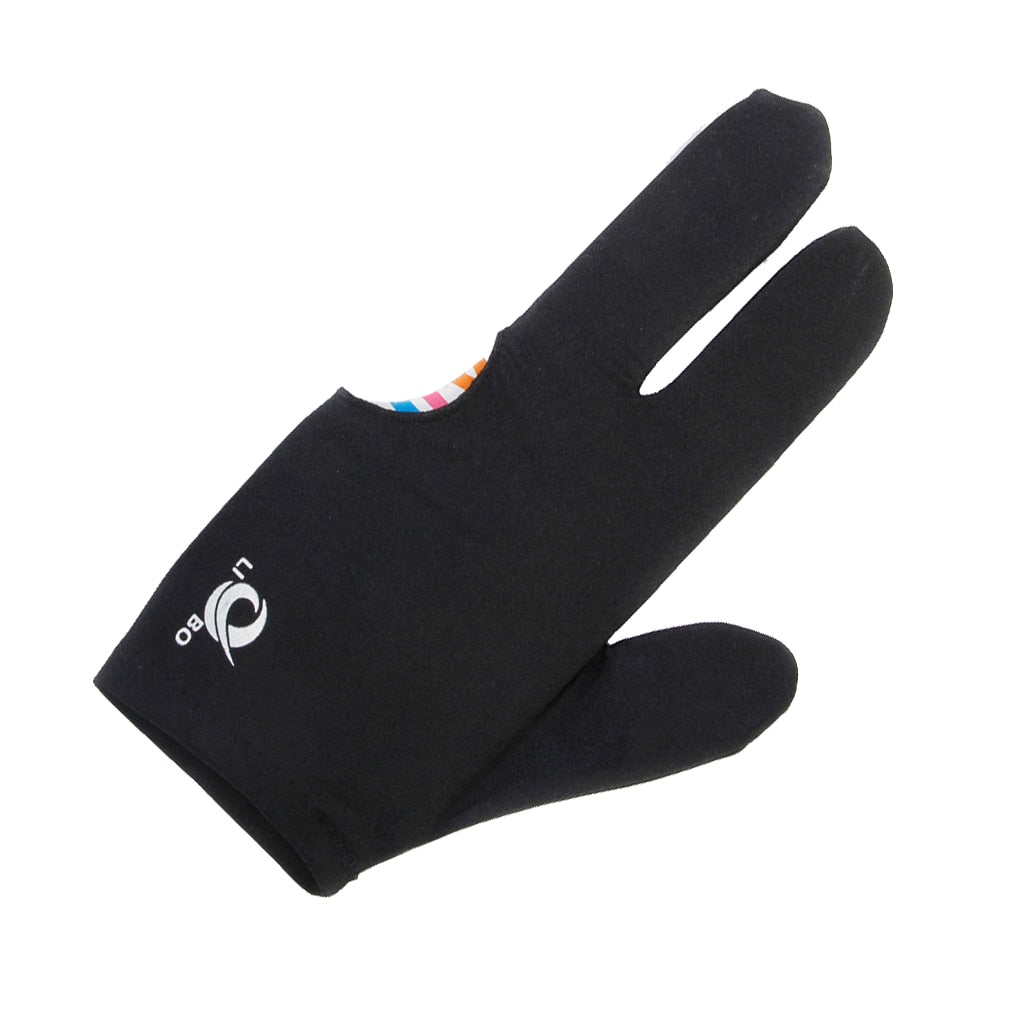
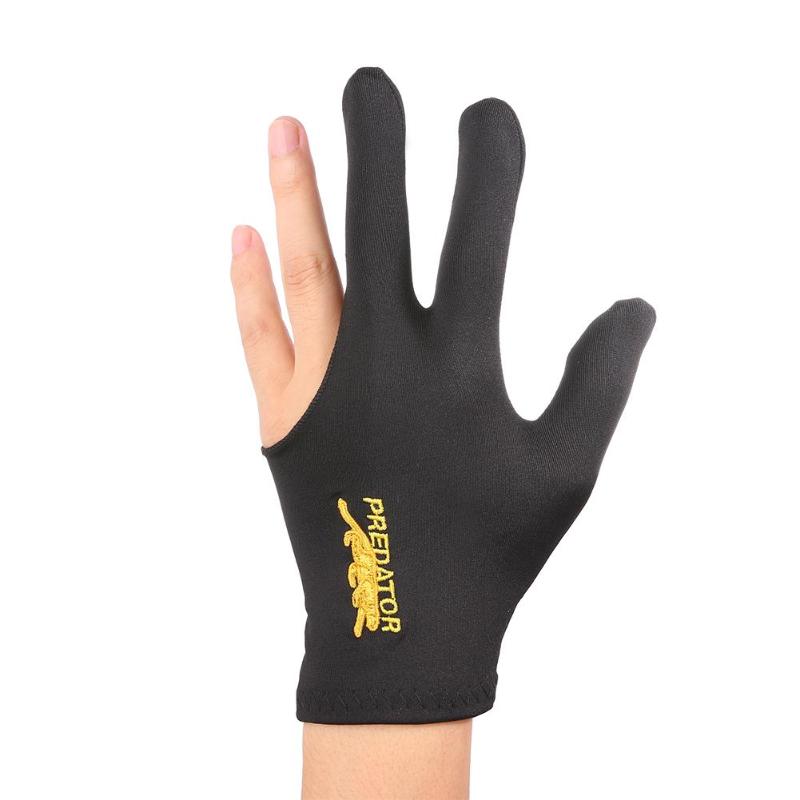
My honest steer: if you're right-handed and just want something that works, the Spandex Snooker Billiard Cue Glove is the easy first buy. Left-handers, or anyone unsure which hand they need, should go for the dual-hand 3 Finger Billiard Gloves instead. If you want a slightly smarter finish, the embroidered version does the same core job with a bit more detailing.
Glove or chalk-and-talc? You don't have to choose
A glove solves friction on the bridge hand, but it doesn't replace good chalk on the tip — the two solve different problems. One keeps the cue gliding through your bridge; the other keeps the tip gripping the cue ball. A reliable, low-mess option such as the 4pcs Cheap Billiards Snooker Cue Chalk Billiard No-slip Chalk Indoor Sport Accessories is worth keeping in your case regardless of whether you wear a glove.
Some players prefer to skip a glove altogether and dust a little chalk onto the back of the bridge hand instead. It works, but it's messier — the dust migrates onto the cloth and the shaft. A glove wins on consistency and cleanliness; chalk-on-the-hand wins on simplicity and cost. Try both and see which your action prefers.
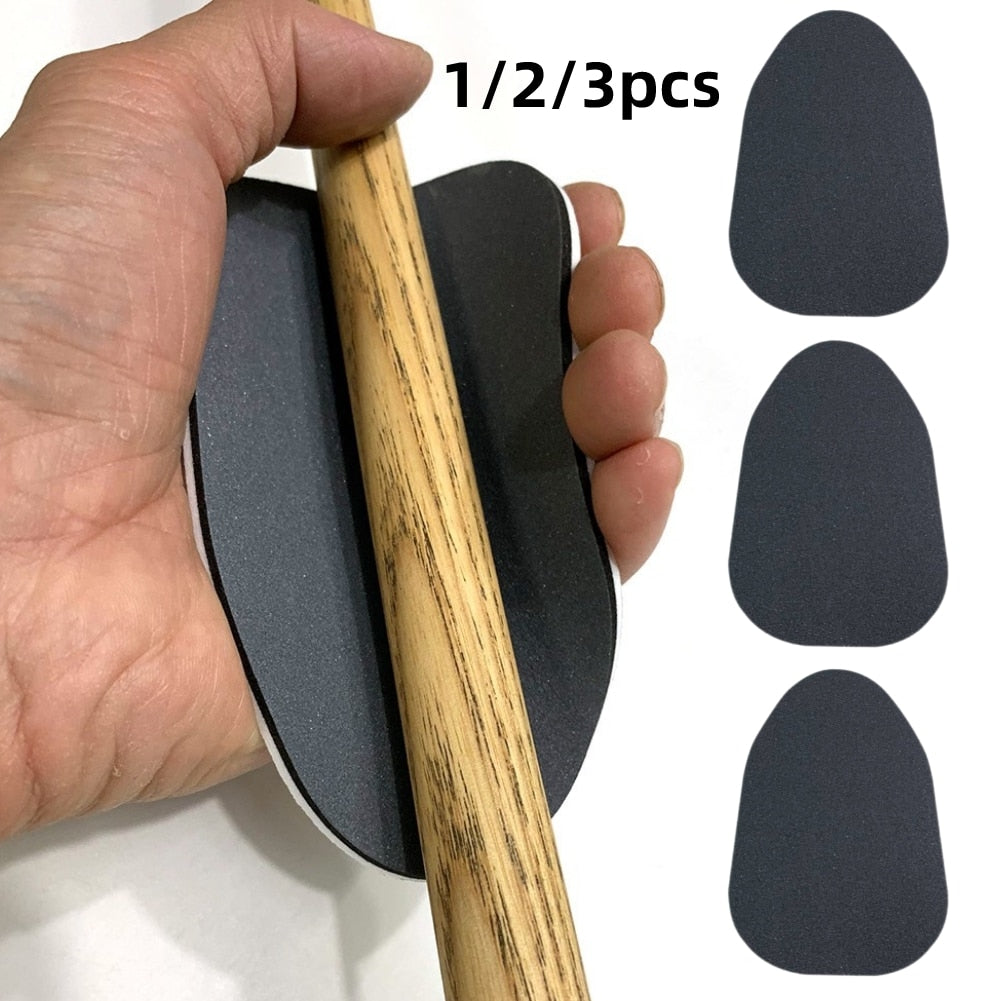
It's also worth remembering that a smooth, clean shaft works hand-in-hand with a glove — a glove glides best over wood that isn't already sticky with grime. If your cue feels tacky even with a glove on, the shaft is probably carrying built-up chalk dust and skin oils. A quick going-over with something like the 1/2/3pcs Professional Billiard Pool Cue Burnisher Cleaner Polisher Home Cleaning Snooker Pole Training Pool Ball Accessories restores that slick, ready-to-play feel and lets the glove do its job properly. Some players find that cleaning the shaft first solves half the stickiness before a glove ever comes into it.
Caring for your glove
A glove sits against a warm, often sweaty hand for hours, so it gets grubby quickly. A few habits keep it performing:
- Hand-wash regularly in cool water with mild soap, then air-dry. Never tumble-dry spandex — heat ruins the stretch and the elastane breaks down.
- Let it air out between sessions rather than leaving it screwed up in a warm bag or case pocket.
- Rotate two gloves if you play often, so one can dry fully between sessions.
- Retire it when it goes baggy or shiny. A glove that has lost its stretch bunches under the cue and starts causing the very drag it was bought to prevent.
At these prices, keeping a spare in your case is a small outlay for uninterrupted play.
Is it cheating, or a crutch?
Neither. A glove simply controls a variable that affects some players more than others. Top professionals wear them, and there's no reason a club player shouldn't too. If anything, removing the sticky-bridge problem lets you focus on the things that actually decide frames — alignment, timing and cue-ball control — instead of worrying about your own hand.
The bottom line
A snooker glove is one of the cheapest upgrades you can make to your game, and for anyone with sweaty hands or a warm playing room it can be genuinely transformative. Get the hand orientation right, aim for a snug three-finger fit, and treat it as one part of a wider set-up alongside a clean shaft and decent chalk. Give it a few sessions to feel natural — if it suits you, you'll wonder how you played without one, and if it doesn't, you've lost very little finding out.
Frequently asked questions
Do I really need a snooker glove?
Not necessarily. If your hands stay dry and your cue already glides smoothly, a glove may add little. But if you sweat, play in warm or humid rooms, or notice your cue dragging mid-session, it's a cheap, low-risk fix worth trying.
Which hand does a snooker glove go on?
Your bridge hand, not your cueing hand. A right-handed player bridges with the left hand and wears a left-hand glove; a left-handed player bridges with the right hand and needs a right-hand glove. Check the listing before buying, as many gloves are cut for one hand only.
Why do snooker gloves only cover three fingers?
The thumb, index and middle finger form the bridge and take the friction from the sliding shaft, so they get the smooth fabric coating. The ring finger, little finger and fingertips are left exposed so you keep your feel for the cloth and can form a stable bridge.
What material are snooker gloves made from?
Almost all affordable gloves use a spandex or Lycra-style stretch blend. It moulds to the hand, breathes reasonably well, and gives the smooth, low-friction surface the cue needs to glide over consistently.
Will a glove fix a cue that still feels sticky?
Not on its own. If the shaft itself is grubby with chalk dust and hand oils, even a good glove will drag. Clean and polish the shaft with a burnisher first, then let the glove keep it that way by taking the sweat off your hand.
How do I look after a snooker glove?
Hand-wash it gently in cool water and air-dry — never tumble dry, as heat destroys the stretch. Let it air out between sessions, and retire it once it goes baggy or shiny, since a stretched-out glove starts causing the same drag it was meant to prevent.
Is wearing a glove considered cheating?
No. It simply gives you a consistent, low-friction bridge surface regardless of sweat or room temperature. Many professionals wear one, and it doesn't affect anything about the rules of the game.
Can I use one glove for both left and right hands?
Some gloves are made specifically for one hand, but others are designed to fit either. If you're unsure which you need, or you share kit with someone of the opposite handedness, a dual-hand option removes the guesswork.