Snooker Gloves Demystified: Grip, Glide and How to Care for Yours
· Mark O'Sullivan
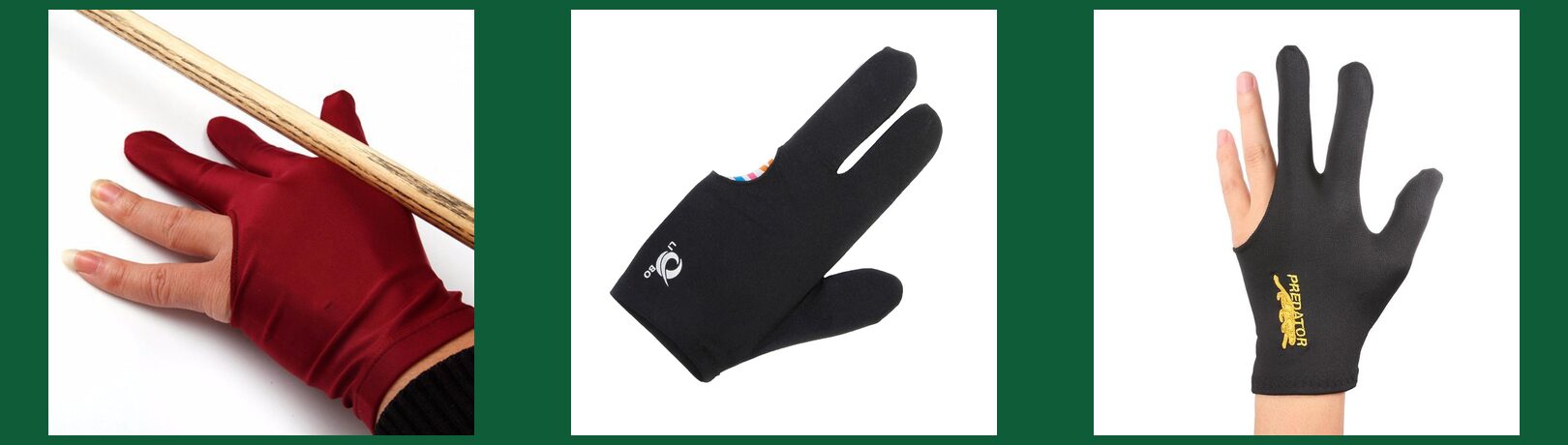
Watch any professional frame and you'll spot them: those slim, three-fingered gloves worn on the bridge hand. They look like a small detail, but for a lot of players a glove is the difference between a cue that glides cleanly through the bridge and one that stutters, drags and ruins the shot. If you've ever felt your cue catch on a sweaty or humid hand, this guide is for you.
Below I'll explain exactly what a snooker glove does, how to choose one that actually fits, which hand it goes on, and how to make a cheap glove last. No hype — just what matters at the table.
What a snooker glove actually does
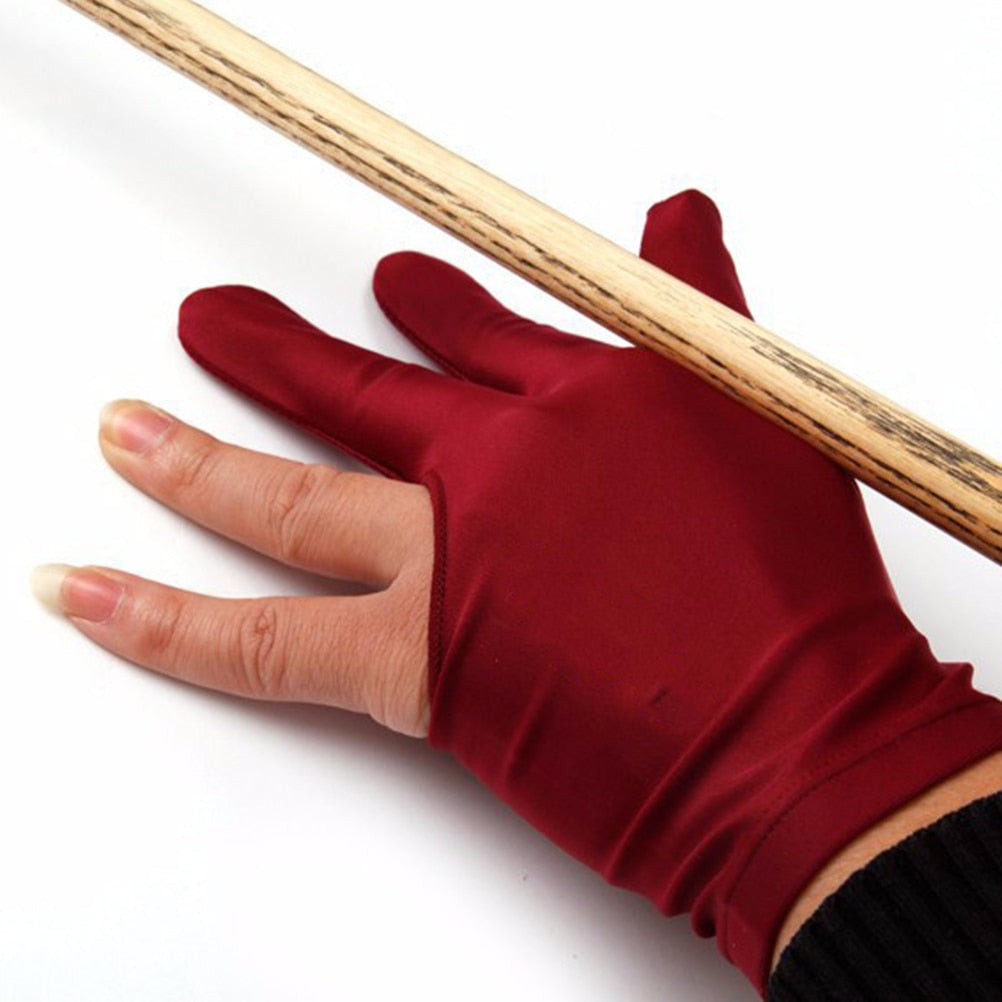
The glove sits on your bridge hand — the one that supports the front of the cue. Its job is to give the shaft a consistent, low-friction surface to slide over. Bare skin is unpredictable: it changes with temperature, sweat, hand cream, chalk dust and even how nervous you are. A smooth spandex glove removes those variables, so every delivery feels the same.
The benefits players notice most:
- A smoother, more repeatable stroke — the cue glides rather than grips.
- Consistency in warm or humid rooms, where sweaty hands drag badly.
- A cleaner shaft, because the glove takes the sweat and grime instead of the wood.
- Comfort, especially during long sessions or for players with clammy hands.
The trade-off is feel. Some players love the direct feedback of bare skin and find any glove numbs the connection to the cue. There's no right answer here — it's personal preference, and a glove is cheap enough to try both ways.
Do you actually need one?
Not everyone does. If your bridge is rock-solid, your hands stay dry and your cue slides freely, you may be perfectly happy without. But you're a strong candidate for a glove if you:
- Play in a warm or humid room and feel the cue drag mid-stroke.
- Have naturally sweaty or clammy hands.
- Find yourself constantly wiping the shaft or reaching for talc.
- Want one less variable to think about under pressure.
Given they cost pennies, most players are best off buying one and seeing how it feels over a few sessions.
Left hand or right? Getting the basics right
The glove goes on your bridge hand, not your cueing hand. If you cue with your right hand, your bridge hand is your left, so you want a left-hand glove — and vice versa. Most budget gloves are open-palm, fingerless three-finger designs (thumb, index and middle finger), leaving your grip hand and part of your palm free.
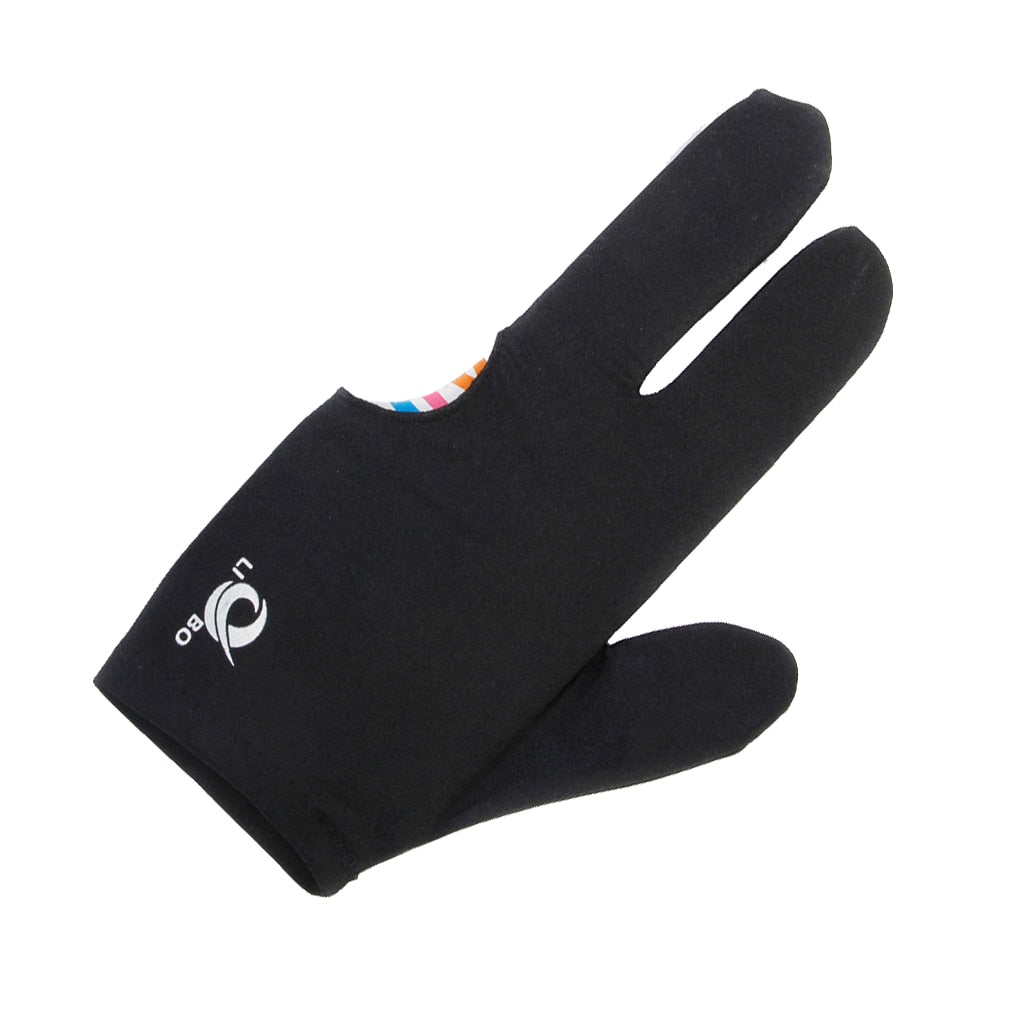
Some listings are sold specifically for one hand, while others are marketed as suitable for either. Check the description before you buy. The 3 Finger Billiard Gloves Pool Cue Gloves for Left/ Right Hand Men/Women is a good example of an inexpensive option that caters to both left- and right-handed players.
Fit and fabric: what to look for
The three-finger, open-back spandex design is the standard for good reason — it stretches to fit, breathes reasonably well and gives that smooth channel for the shaft. When choosing, focus on:
- Fit: snug but not tight. Too loose and the fabric bunches under the cue; too tight and it restricts your bridge.
- Material: a stretchy spandex/lycra blend moulds to your hand and washes well.
- Finish: a smooth outer surface across the index-finger and thumb area, where the cue actually runs.
- Sizing: imported gloves often run small, so size up if you're between sizes or have larger hands.
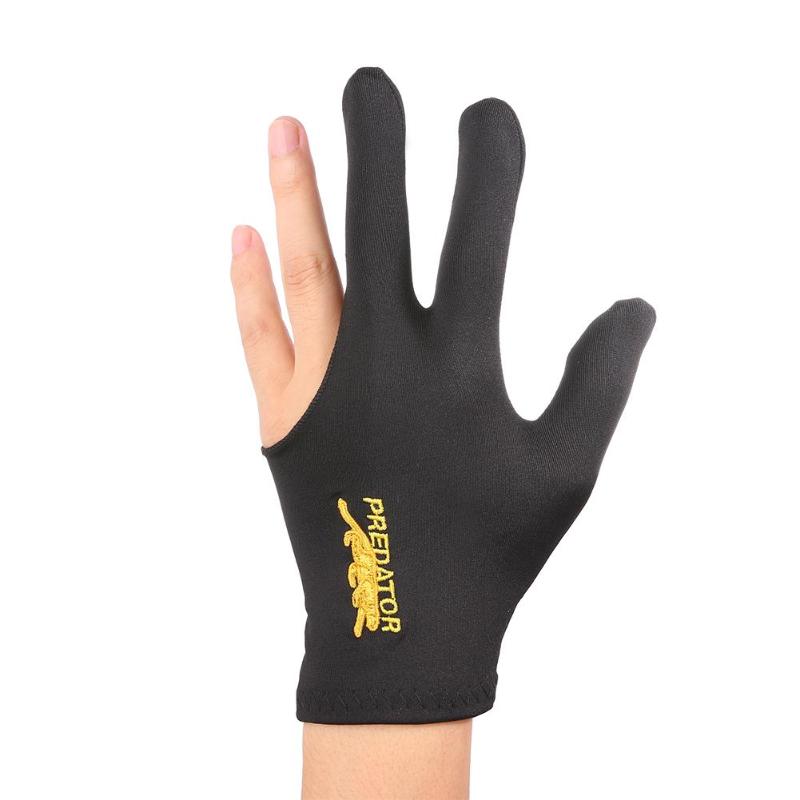
The Spandex Snooker Billiard Cue Glove Pool Left Hand Open Three Finger Accessory for Unisex Women and Men 4 Colors 1Pcs is a typical unisex spandex option with a few colours to choose from, while the Snooker Billiard Glove EmbroideryBillard Gloves Left Hand Three Finger Smooth Biliardo Guanti Accessories Fingerless Gloves offers a similar smooth-finish, left-hand three-finger cut. Be realistic about these: they're affordable, mostly imported gloves, so expect good everyday value rather than premium tailoring. For the price, that's a fair deal.
Comparing a few budget options
Here's a quick look at a handful of glove options plus a shaft-care item that pairs well with them.
Glove or clean shaft? You want both
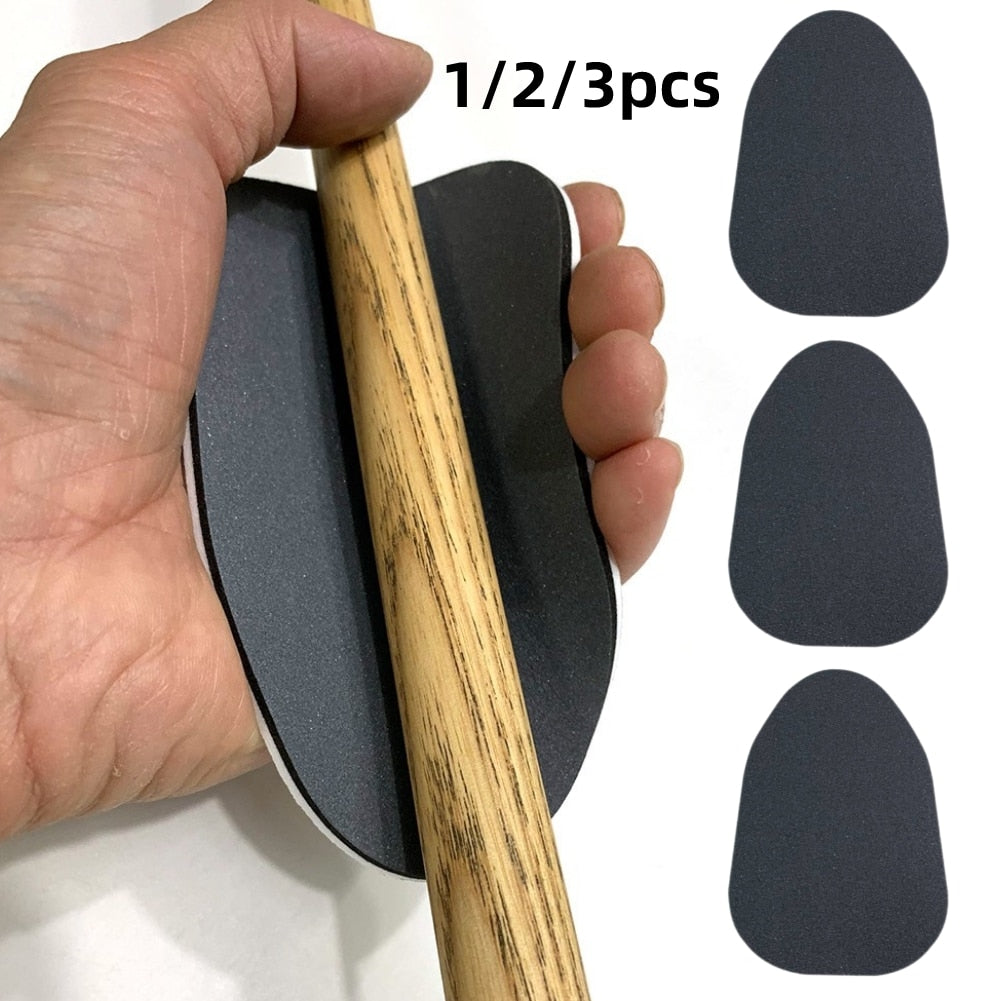
A glove and a clean cue work as a team. If your shaft is sticky with chalk residue and grime, even the best glove will drag. Keeping the shaft smooth is half the battle. A simple tool like the 1/2/3pcs Professional Billiard Pool Cue Burnisher Cleaner Polisher Home Cleaning Snooker Pole Training Pool Ball Accessories helps polish and clean the shaft so it runs freely — a glove then keeps it that way by taking the sweat off your hand. Sensible chalking habits also matter, since loose chalk dust is a big cause of stickiness; a decent block like the 4pcs Cheap Billiards Snooker Cue Chalk Billiard No-slip Chalk Indoor Sport Accessories applied lightly leaves less mess to migrate down the shaft.
Caring for your glove
Because it sits against a sweaty hand for hours, a glove gets grubby quickly. To keep it performing:
- Hand-wash regularly in cool water with mild soap, then air-dry — never tumble-dry spandex.
- Rotate two gloves if you play often, so one can dry fully between sessions.
- Replace it when the sliding surface goes shiny, thin or loses its stretch.
At these prices, buying a spare is a small outlay for uninterrupted play.
The bottom line
A snooker glove is one of the cheapest upgrades you can make, and for anyone battling sweaty hands or a warm room it can transform how consistent your delivery feels. Match the glove to your bridge hand, get the fit snug, keep both glove and shaft clean, and give it a few sessions before you decide. If you love it, you'll wonder how you played without one — and if you don't, you've spent very little finding out.