Snooker Gloves 101: What They Do, When You Need One, and How to Pick the Right Fit
· Mark O'Sullivan
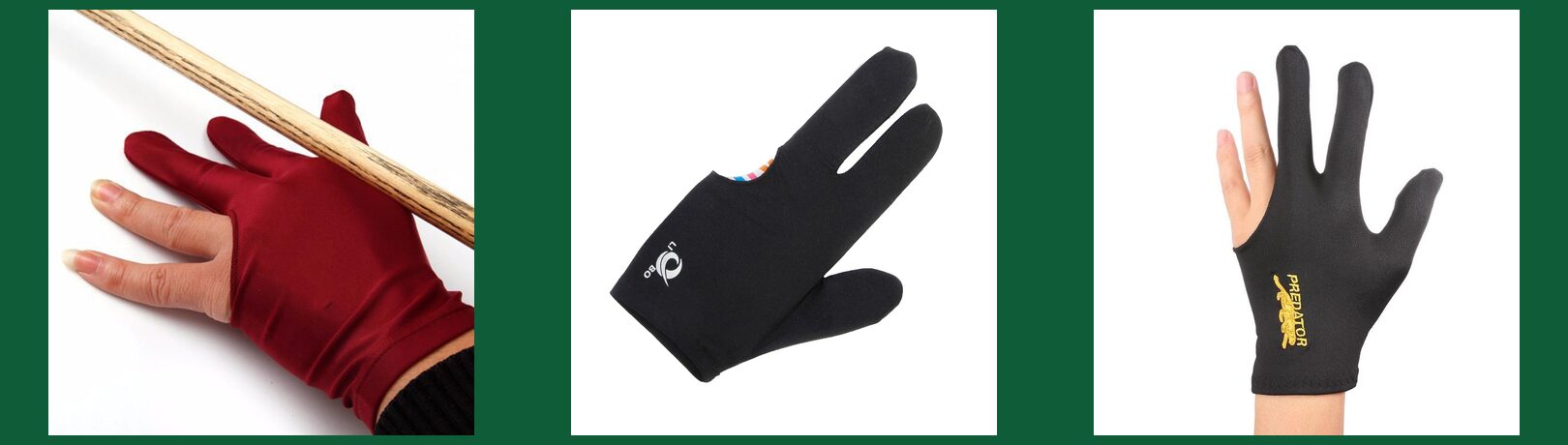
Watch any professional and you'll spot a fingerless glove on the bridge hand. Beginners often assume it's a sponsorship badge or a bit of showmanship. It isn't. That glove is doing a genuine job — one you'll appreciate the moment your cue starts snagging on a clammy bridge hand halfway through a session. This guide explains exactly what a glove does, when it's worth wearing one, and how to pick a cheap one that actually helps.
What a snooker glove actually does
Everything in a good cue action depends on the shaft sliding through your bridge cleanly and repeatably. The moment there's friction between your skin and the wood, the cue hesitates, and a hesitant delivery is an inaccurate one. Skin is the problem: it's warm, slightly oily, and — under match pressure or in a warm room — sweaty. That combination turns your bridge into flypaper.
A snooker glove replaces skin-on-wood contact with a smooth, low-friction fabric surface. The shaft glides over spandex the same way whether your hands are bone dry or damp, which means your cue delivers the same on the last frame as it did on the first. In short, it doesn't make you a better player — it stops your own hands sabotaging the technique you already have.
Signs you'd benefit from one
- Sticky or squeaky delivery — the cue drags or judders across your bridge fingers.
- Sweaty hands under pressure or in warm, humid rooms.
- You over-chalk your bridge hand or keep wiping it on a towel between shots.
- Long sessions where consistency drifts as your hands warm up.
If your hands stay dry and your cue glides fine, you may never need one — plenty of good players don't use a glove. It's a fix for a specific problem, not a compulsory purchase.
Which hand, and why
The glove goes on your bridge hand — the one resting on the table that the cue slides across. For a right-handed player that's the left hand; for a left-hander, the right. Most budget gloves are sold as left-hand (for right-handed players, the larger group), so left-handers should check the listing carefully. Some, like the 3 Finger Billiard Gloves Pool Cue Gloves for Left/ Right Hand Men/Women, are offered for either hand, which saves the hassle.
The three-finger, open-back design explained
Almost every snooker glove uses the same sensible pattern: it covers the thumb, index and middle finger — the ones that form your bridge — while leaving the back of the hand open and the ring and little fingers free. That gives you the smooth surface exactly where the cue runs, without cooking your whole hand or dulling your feel for the table. The Spandex Snooker Billiard Cue Glove Pool Left Hand Open Three Finger Accessory for Unisex Women and Men 4 Colors 1Pcs is a textbook example of this layout, and it comes in a few colours if you care about matching your kit.
Fit and fabric: what to prioritise
Fit matters more than anything on a glove. Too loose and the fabric bunches under the shaft, creating the very drag you're trying to eliminate. Too tight and it restricts your bridge and gets uncomfortable fast. You want it snug across the palm and fingers with no wrinkling on the bridge surface.
These are inexpensive, mostly imported spandex-blend gloves, so set expectations accordingly: one-size-fits-most sizing, functional stitching, and a lifespan measured in months of regular play rather than years. The upside is they cost less than a round of drinks, so replacing one is painless. If you want a touch more durability and a smarter look, an embroidered version like the Snooker Billiard Glove EmbroideryBillard Gloves Left Hand Three Finger Smooth Biliardo Guanti Accessories Fingerless Gloves does the same job with a bit more finish.
Comparing the budget options
All three below share the classic three-finger, open-back cut. The differences come down to hand availability, colour choice and finish rather than performance — at this price they all do the core job of giving you a consistent glide.
My honest steer: if you're right-handed and just want something that works, the Spandex Snooker Billiard Cue Glove Pool Left Hand Open Three Finger Accessory for Unisex Women and Men 4 Colors 1Pcs is the easy pick. Left-handers should go for the dual-hand 3 Finger Billiard Gloves Pool Cue Gloves for Left/ Right Hand Men/Women to be sure of the fit.
Glove or better cue care first?
A glove tackles friction from your hand. But a sticky bridge can also come from a grubby or rough shaft that's picked up chalk dust and hand oils. Before you assume you need a glove, try cleaning and burnishing the shaft — a simple tool like this 1/2/3pcs Professional Billiard Pool Cue Burnisher Cleaner Polisher Home Cleaning Snooker Pole Training Pool Ball Accessories smooths and seals the grain so the cue runs faster over your fingers. Many players find that a clean shaft plus a light touch of good, non-crumbly chalk such as the 4pcs Cheap Billiards Snooker Cue Chalk Billiard No-slip Chalk Indoor Sport Accessories solves half the problem before a glove ever comes into it.
Caring for your glove
- Keep it dry between sessions — don't leave it screwed up in a warm bag.
- Hand-wash gently when it gets grimy; harsh machine cycles wreck the stretch.
- Retire it when it stretches — a baggy glove drags, defeating the point.
The bottom line
A snooker glove is a small, cheap fix for a very real problem: inconsistent, sticky cue delivery caused by your own hands. If your bridge drags, sweats or squeaks, spend a couple of pounds and try one — the difference to your consistency can be out of all proportion to the price. And if a clean shaft already gives you a smooth glide, save your money and keep playing bare-handed.