The Sticky Bridge Fix: A No-Nonsense Guide to Snooker Gloves
· Mark O'Sullivan
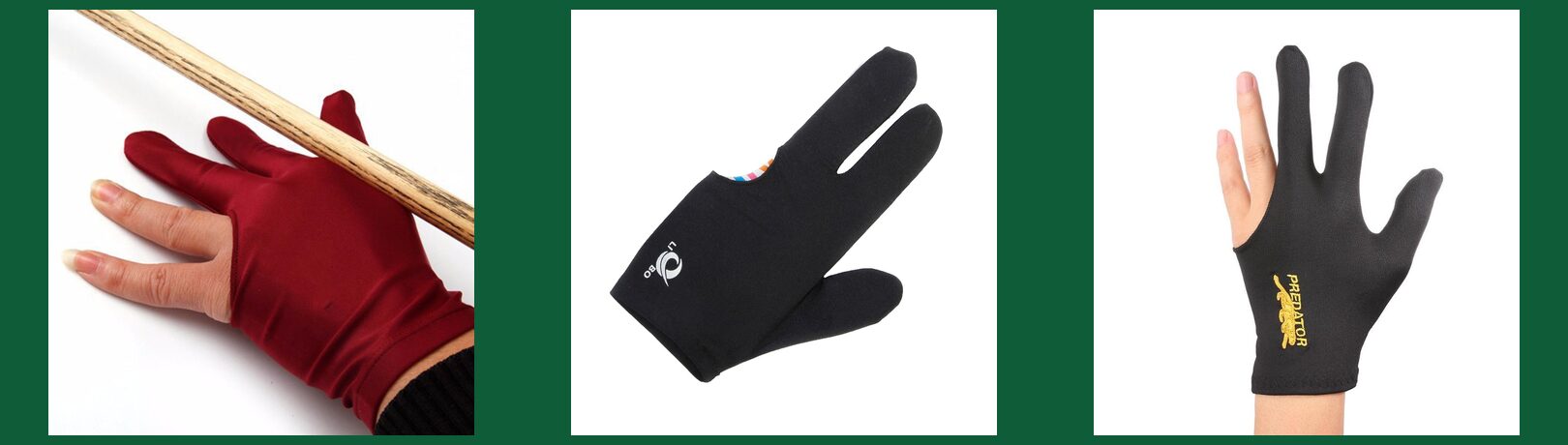
If you've ever lined up a long red on a warm evening only to feel your bridge hand grab and stutter as the cue slides across it, you've met the single most common reason players reach for a glove. It isn't fashion, and it isn't imitation of the pros on television. It's friction — and once you understand it, choosing a snooker glove becomes a genuinely simple decision.
This guide skips the marketing and focuses on the one thing that matters: a smooth, repeatable cue delivery. Here's what a glove actually does, when it's worth having, and how to pick one that helps rather than gets in the way.
Why the bridge hand is the problem, not the cue
Your grip hand should be relaxed and doing very little. The bridge hand, though, is where the cue physically runs — over the skin between your thumb and forefinger. When that skin is dry and cool, the cue glides. When it's warm, damp, or slightly oily, the shaft drags. That tiny hesitation at the moment of delivery is enough to nudge the cue off line and cost you the pot.
People instinctively blame the cue and start polishing it obsessively (a burnisher like the 1/2/3pcs Professional Billiard Pool Cue Burnisher Cleaner Polisher Home Cleaning Snooker Pole Training Pool Ball Accessories genuinely helps keep the shaft slick and clean). But if your hand is the sticky surface, no amount of cue care fixes it. That's exactly the gap a glove fills.
What a snooker glove actually does
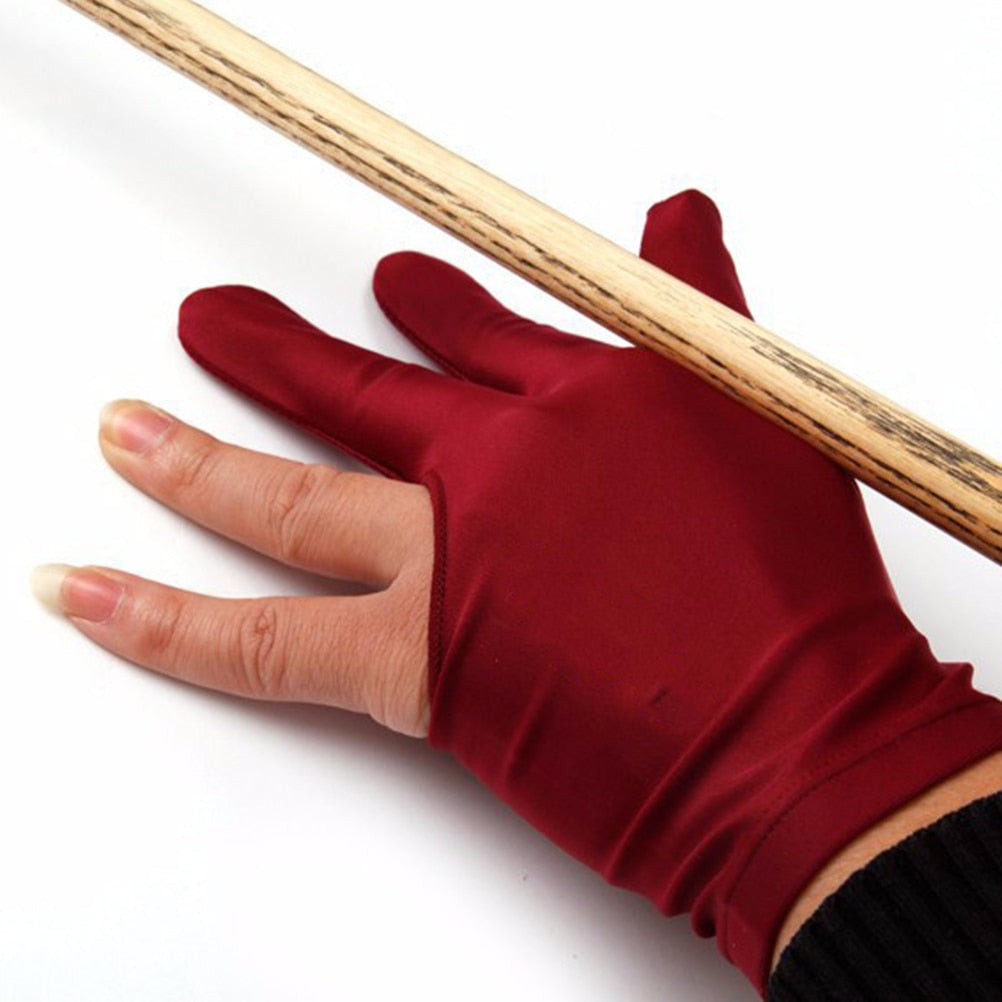
A snooker glove is not padded and it isn't about warmth or protection. It's a thin, close-fitting piece of stretchy fabric worn on the bridge hand, usually leaving the fingertips exposed so you can still feel the cloth and form a firm bridge. Its whole job is to give the cue a consistent, low-friction surface to run over — every shot, regardless of the weather, your nerves, or how long you've been playing.
The benefits players actually notice:
- Consistency: The same slide on shot one as on shot fifty-one.
- Sweat immunity: Humid rooms and clammy hands stop mattering.
- No cue drag: A smoother open bridge and a cleaner follow-through.
- Less mess: Chalk dust and hand oils stay off the shaft, so your cue stays cleaner for longer.
Do you actually need one?
Not everyone does. If you play in a cool, dry room, your hands stay dry, and your cue slides freely, a glove may add nothing. But you're a strong candidate if any of these ring true:
- Your hands sweat, or you notice more drag as a session goes on.
- You play in warm or humid conditions.
- You constantly wipe your bridge hand between shots.
- You've tried talc and hate the mess it leaves everywhere.
Given a glove costs about the same as a couple of coffees, it's a low-risk experiment. Many players try one, feel the difference in ten minutes, and never look back.
Choosing the right glove: the three things that matter
1. Hand and orientation
You wear the glove on your bridge hand — the one resting on the table, not your grip hand. For a right-handed player that's the left hand; for a left-hander it's the right. Check the listing carefully, as some gloves are cut specifically for one hand while others are ambidextrous.
2. Fit
Fit is everything. Too loose and the fabric bunches under the cue, creating the very drag you're trying to remove. Too tight and it's uncomfortable and restricts your bridge. You want it snug like a second skin, with a bit of stretch. Most of these gloves are one-size spandex designs that stretch to fit a wide range of hands.
3. Open or closed fingers
The three-finger, open-fingertip design is the classic snooker choice. It covers the thumb, index and middle fingers — the area the cue runs over — while leaving your fingertips free to grip the cloth and feel the table. That tactile connection matters, so most players prefer this style over anything fully enclosed.
Three affordable gloves compared
All of these are budget, imported gloves — set your expectations accordingly. They aren't luxury items, and stitching quality can vary between batches. But for the money they do the core job well, and it's a cheap way to find out whether a glove suits your game before you ever spend more.
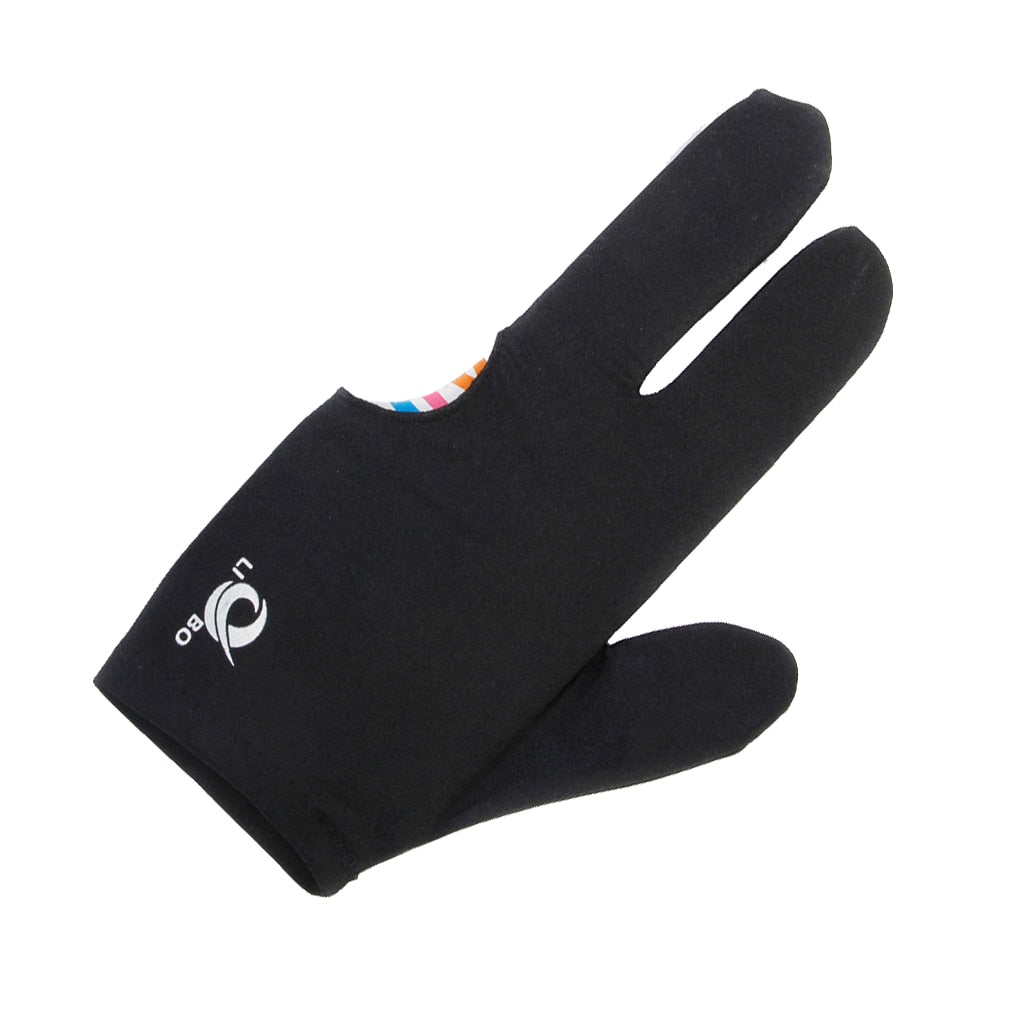
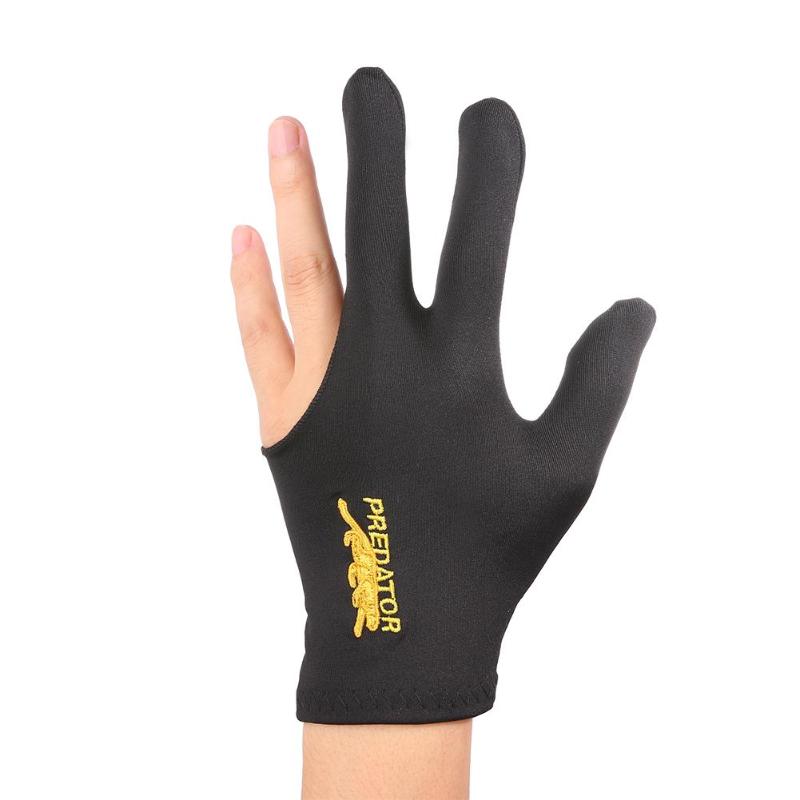
The Spandex Snooker Billiard Cue Glove Pool Left Hand Open Three Finger Accessory for Unisex Women and Men 4 Colors 1Pcs is a sensible default: a stretchy three-finger spandex glove with colour options and the standard open-fingertip cut. If you simply want the cheapest way to test the idea, the 3 Finger Billiard Gloves Pool Cue Gloves for Left/ Right Hand Men/Women does the essential job for pennies. And if you want a slightly smarter-looking option with an embroidered finish, the Snooker Billiard Glove EmbroideryBillard Gloves Left Hand Three Finger Smooth Biliardo Guanti Accessories Fingerless Gloves is worth a look.
Getting the most from your glove
A glove works best alongside a cue that's clean and a good chalking habit. Keep the shaft wiped down and lightly polished, and use decent chalk — a multipack like the 4pcs Cheap Billiards Snooker Cue Chalk Billiard No-slip Chalk Indoor Sport Accessories means you're never caught out mid-session. Wash your glove occasionally by hand, too; oils and chalk build up over time and gradually reduce that lovely slide.
The bottom line
A snooker glove solves a specific, real problem: a bridge hand that grabs the cue and disrupts your delivery. If that's you — especially in warm or humid rooms — it's one of the cheapest upgrades in the game and worth trying. If your hands stay dry and your cue already glides, don't feel obliged. Buy one, play a session, and let your bridge hand tell you the answer.