Sticky Hands, Smooth Cueing: How to Choose a Snooker Glove That Actually Helps
· Mark O'Sullivan
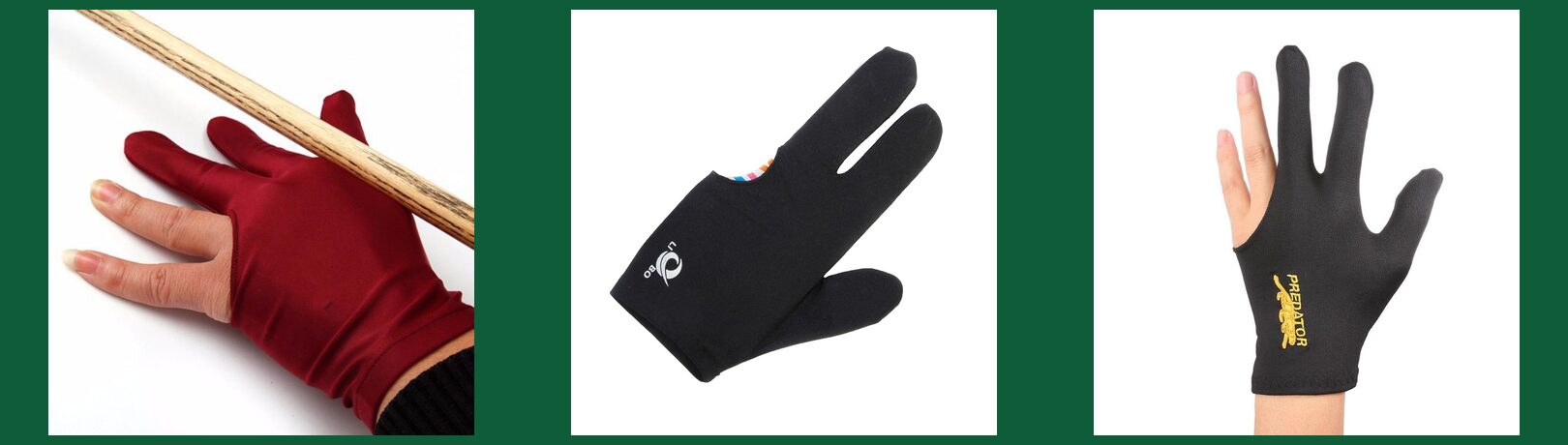
Watch any professional break-off and you'll notice the little three-fingered glove on the bridge hand. It isn't a fashion statement, and it certainly isn't there to keep anyone warm. It's solving a very specific problem: the cue needs to slide cleanly through the bridge every single time, and a bare hand doesn't always let it. If you've ever felt your cue judder, stick or drag on the delivery — especially on a warm evening — this guide is for you.
Below I'll explain exactly what a glove fixes, when you actually need one, and how to pick the right hand, fit and fabric without overthinking it.
What a snooker glove actually does
The glove has one job: to create a consistent, low-friction surface for your cue to run over. Your bridge hand is where the shaft rests and glides, and skin is unpredictable. Some days it's dry and smooth; other days it's damp, oily or tacky. That inconsistency is the enemy of a repeatable cue action.
A good glove gives you:
- Consistent glide — the cue slides the same way in July as it does in January.
- Sweat management — no more clammy skin gripping the shaft mid-stroke.
- Cleaner shafts — less hand oil transferring onto the wood, which keeps the finish faster for longer.
That last point matters more than people realise. Oil and moisture from a bare bridge hand is a big reason a shaft slowly turns sticky and grey. A glove keeps that grime off, so you clean far less often (though I'd still keep a 1/2/3pcs Professional Billiard Pool Cue Burnisher Cleaner Polisher Home Cleaning Snooker Pole Training Pool Ball Accessories handy for the occasional wipe-down).
Do you actually need one?
Not everyone does. If your hands stay dry and your cue runs smoothly, a glove is optional. But you'll likely benefit if:
- You sweat, or you play in warm, humid rooms.
- You notice the cue "grabbing" on the forward stroke.
- You currently rely on talc or chalk dust rubbed on your bridge hand to reduce drag.
That third habit is worth flagging. Chalk on your bridge hand is a messy fix — it flakes onto the cloth and the shaft. Keep your chalk where it belongs, on the tip, with something like this 4pcs Cheap Billiards Snooker Cue Chalk Billiard No-slip Chalk Indoor Sport Accessories, and let a glove handle the glide instead.
Left hand or right hand?
This trips beginners up constantly, so let's be clear: the glove goes on your bridge hand, not your grip hand. A right-handed player cues with the right hand and bridges with the left, so they wear a left-hand glove. A left-handed player is the mirror image and needs a right-hand glove.
Some gloves are handed and clearly labelled; others are designed to fit either hand. If you're unsure, a versatile option like the 3 Finger Billiard Gloves Pool Cue Gloves for Left/ Right Hand Men/Women takes the guesswork out by fitting left or right.
The three-finger open design explained
Most snooker gloves cover just the thumb, index and middle finger, leaving the ring and little finger bare. That's deliberate. The three covered fingers form the bridge and take the friction; the free fingers keep your feel for the table and let your hand breathe. Fingertips are usually left open so you retain sensitivity for spreading and anchoring the bridge.
You'll see this pattern across the range, from the everyday Spandex Snooker Billiard Cue Glove Pool Left Hand Open Three Finger Accessory for Unisex Women and Men 4 Colors 1Pcs to the smoother, slightly dressier Snooker Billiard Glove EmbroideryBillard Gloves Left Hand Three Finger Smooth Biliardo Guanti Accessories Fingerless Gloves.
Fit and fabric: getting it right
Fit is everything. Too loose and the glove bunches under the shaft, creating the very drag you're trying to remove. Too tight and it's uncomfortable over a long session. You want it snug like a second skin, with no wrinkling across the back of the hand where the cue runs.
Nearly all affordable gloves are made from a spandex/lycra blend. It's stretchy, breathable and machine-washable, which is exactly what you want. Be honest with your expectations here: these are inexpensive, mostly imported items. The stitching won't be luxury and sizing can run a little generous, so if you're between sizes, size down for a snugger fit.
A quick comparison
Looking after your glove
A glove only glides well if it's clean. Hand oil and chalk dust build up on the fabric over time, so wash it every week or two — a gentle hand-wash and air-dry keeps the stretch intact. Avoid tumble drying, which can perish the elastane. Buy two and rotate them if you play several times a week; they're cheap enough that a spare costs less than a decent coffee.
The bottom line
A snooker glove isn't essential kit, but for anyone who battles sweaty or sticky hands it's one of the cheapest, most effective upgrades you can make to your cueing. Get the right hand, get a snug fit, keep it clean, and you'll never think about your bridge again — which is exactly the point. Pair it with sensible chalk and the occasional shaft clean, and your cue action becomes wonderfully boring, in the best possible way.