The 10-Minute Cue Care Routine That Keeps Your Snooker Shaft Fast and True
· Mark O'Sullivan

A snooker cue is one of the few bits of kit you'll keep for years, sometimes decades. Yet most players never give theirs a second thought until the shaft feels sticky, the tip goes glassy, or a joint starts to squeak. The good news is that regular care takes very little time and almost no money. Get into a short weekly habit and your cue will glide better, chalk more evenly and hold its value for far longer.
Here's the routine I actually use — roughly ten minutes, split across the shaft, the tip and storage. None of it is complicated, and the kit that helps is cheap and largely imported, so keep your expectations sensible: these are practical tools, not heirloom pieces.
Step 1: Clean and burnish the shaft (3 minutes)
Every time you play, oils from your hand, dust and chalk residue build up on the shaft. Left alone, this turns into a grimy layer that drags on your bridge hand and dulls the timber. The fix is to wipe the shaft down after each session and burnish it every week or two.
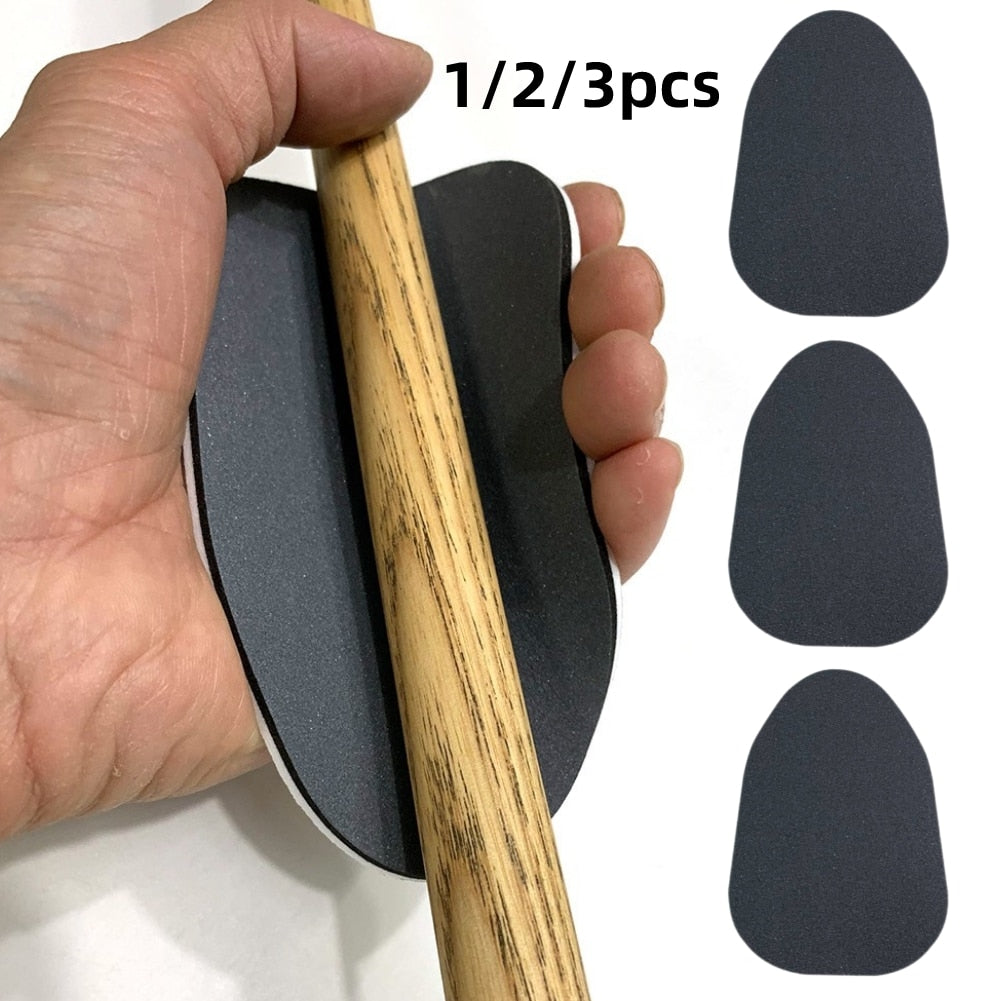
Work from the joint down towards the tip with the grain, never against it. A dedicated tool like the 1/2/3pcs Professional Billiard Pool Cue Burnisher Cleaner Polisher Home Cleaning Snooker Pole Training Pool Ball Accessories lets you clean and then friction-polish in one go, sealing the pores of the wood so it feels smooth and slick again. A word of caution: go gently. Burnishing generates heat, so short passes are better than aggressive scrubbing, and you should never soak an ash or maple shaft in water.
What to avoid
- Sandpaper — it thins the shaft over time and removes the finish you want to keep.
- Household sprays and solvents — many attack lacquer and raise the grain.
- Damp storage — moisture is the number one cause of warping.
Step 2: Look after the tip and ferrule (3 minutes)
The tip does the actual work, so it deserves attention. After play, check that it's still slightly domed rather than flattened, and that the edges haven't mushroomed over the ferrule. A tip that has gone hard and shiny won't hold chalk, which is the classic cause of miscues.
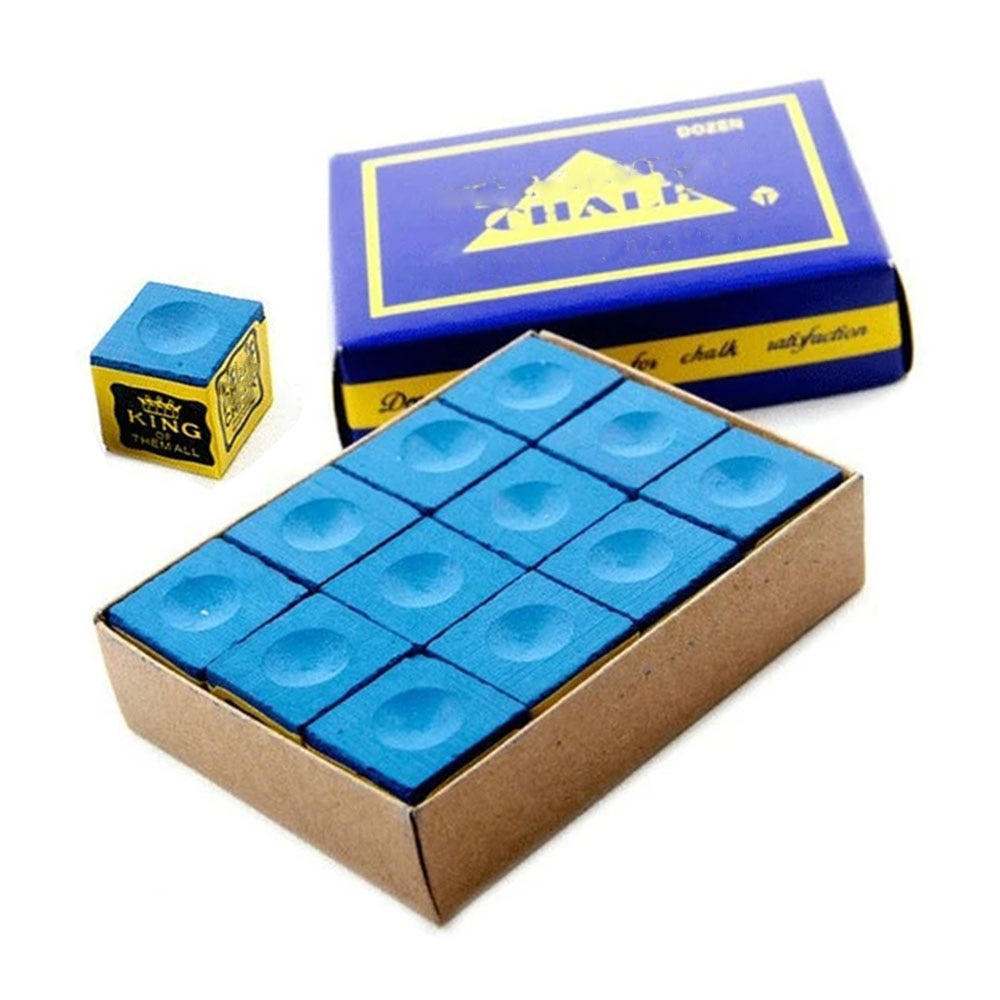
Lightly scuff a glazed tip to restore texture, and always chalk properly before each shot — a full, even coat rather than a quick tap. Even inexpensive chalk does the job if you apply it well, and keeping a few cubes in your case means you're never caught short. A multipack like 4pcs Cheap Billiards Snooker Cue Chalk Billiard No-slip Chalk Indoor Sport Accessories is more than enough for a home player for a good while.
When a tip is genuinely worn down — flattened, splitting, or worn to the ferrule — it's time to replace it rather than nurse it along. A quality replacement such as the Japanese Original KAMUI Clear Cue Tips Billiard Pool Cue KAMUI Tip 14mm SS/S/M/H Snooker Tip Brown 11mm M/MH Billiard Accessory holds its shape and chalk well. If you'd rather avoid glue and a re-tip job, the simpler 10PCs/set Screw On Cue Tips For Billiard Pool Cue Stick and Snooker Cue Replacement Parts Stick Repair Tool for Snooker 10mm Hot are a quick fix for casual and bar-style cues, though serious players will always prefer a properly fitted, glued tip.
Step 3: Protect your grip and the joint (2 minutes)
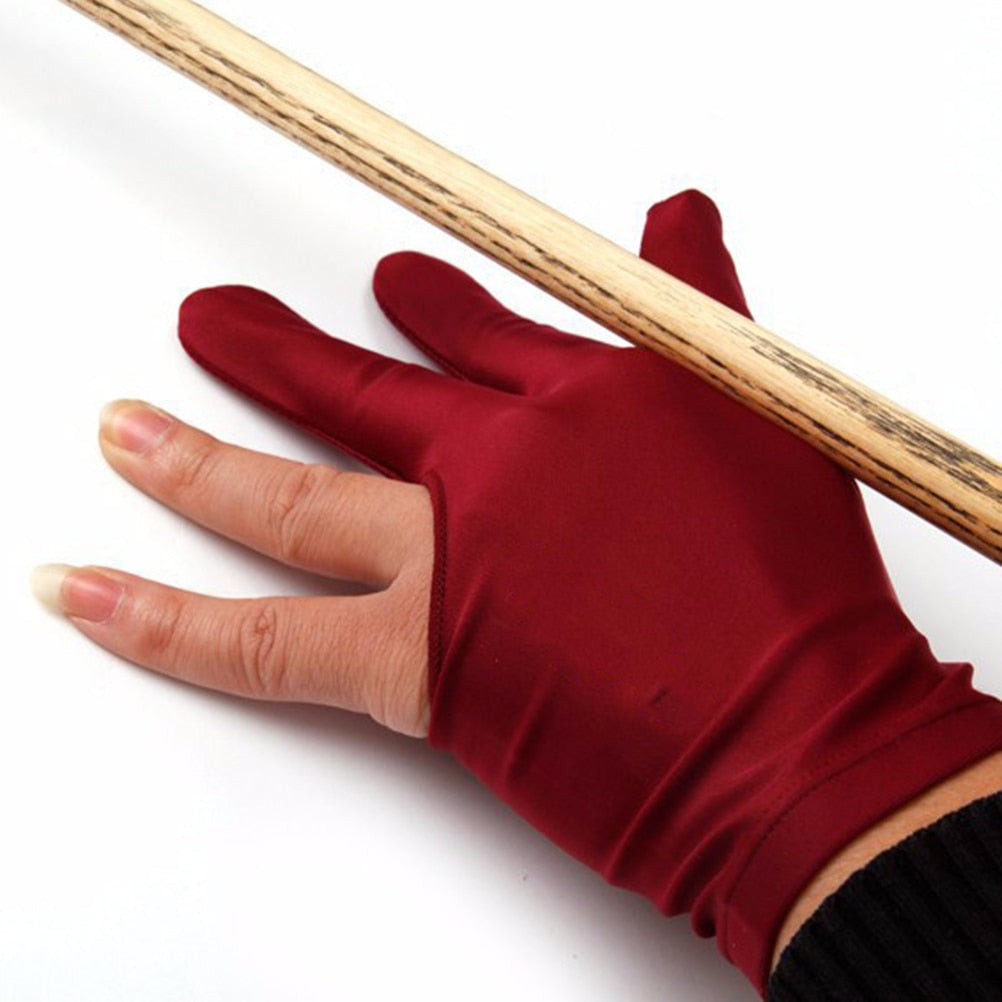
Sweaty or sticky hands are hard on a shaft — that grime you cleaned off in Step 1 comes straight back if your bridge hand is damp. On humid days, a lightweight glove keeps the shaft moving freely and reduces how often you need to burnish. The open three-finger Spandex Snooker Billiard Cue Glove Pool Left Hand Open Three Finger Accessory for Unisex Women and Men 4 Colors 1Pcs is an affordable way to keep things consistent, especially in warmer rooms.
If you own a jointed cue, keep the joint clean and finger-tight — never overtighten it — and give the threads an occasional wipe. Grit in the joint is what causes that annoying click or squeak, and over time it can wear the fitting.
Step 4: Store it properly (the bit everyone skips)
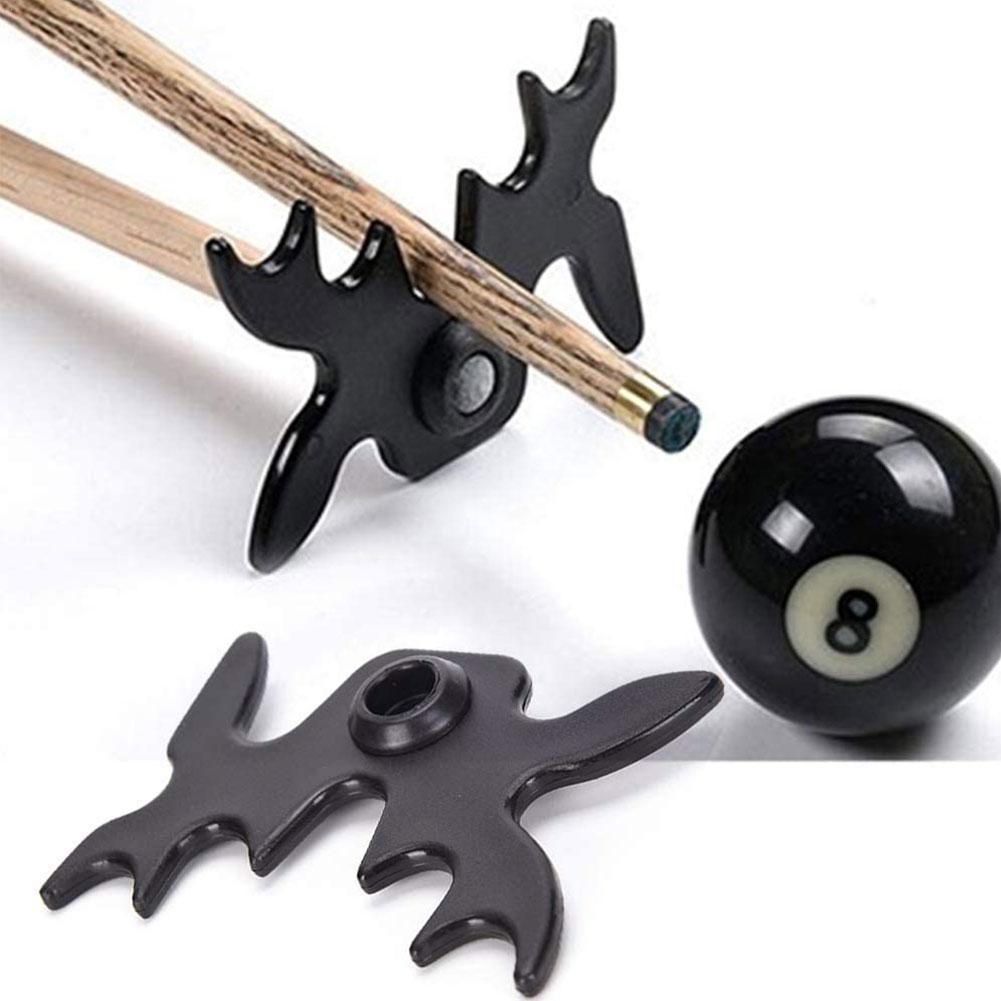
Most cue damage happens off the table. Leaning a cue against a radiator, boot of a car, or a sunny windowsill invites warping. Store your cue upright or flat, away from heat and direct sun, ideally in a case. If it lives out on display at home, a wall or table rack like the Billiards Cue Rack Bridge Head Cross Antlers Rod Holder Snooker Pool Plastic Staghorn Shape 2 Color keeps it off the floor and evenly supported so it can't lean into a bend.
Quick comparison: the core care kit
Here's how the essentials stack up so you can decide where to start.
A realistic weekly checklist
- Every session: wipe the shaft, chalk properly, check the tip shape.
- Weekly: burnish the shaft, scuff a glazed tip, wipe the joint.
- As needed: replace a worn tip, store away from heat and damp.
That's genuinely all it takes. Cue care isn't a chore so much as a two-minute habit at the end of each frame, backed by a handful of cheap tools. Keep the shaft clean, the tip in good order and the cue stored sensibly, and it'll reward you with a smoother stroke and years of dependable play. Start with a burnisher and a good supply of chalk, add a glove if your hands run warm, and you're already ahead of most players at your club.