How to Choose Your First Snooker Cue: A Practical Buying Guide
· Mark O'Sullivan

Picking your first proper snooker cue is one of those small decisions that quietly shapes how quickly you improve. A cue that suits your hands and your style helps you cue straighter, time the ball better and actually enjoy your practice. The good news is you don't need to spend a fortune to get something genuinely playable. The aim of this guide is to help you understand what matters — and what doesn't — so you can buy with confidence.
A quick note on honesty: most cues at the entry and mid level, including those linked here, are imported and well-made for the money rather than bespoke hand-spliced English cues. Set your expectations accordingly and you'll be very happily surprised by what's on offer.
One-piece, two-piece or 3/4 split?
The first real decision is construction, and it's mostly about portability versus feel.
- One-piece cues are the traditional choice and arguably the purest feel, but at around 57 inches they're awkward to transport. A model like the BS New Arrival One Piece Billiard Snooker Cue Stick 10.2mm Tip with Hard Snooker Cue Case Set suits players with a dedicated room at home who rarely move the cue around.
- 3/4 split cues join roughly three-quarters of the way up the butt, which keeps the joint away from your bridge hand and preserves a near one-piece feel while folding down to fit a case. For most beginners travelling to a club, this is the sweet spot — the is a sensible, balanced example.
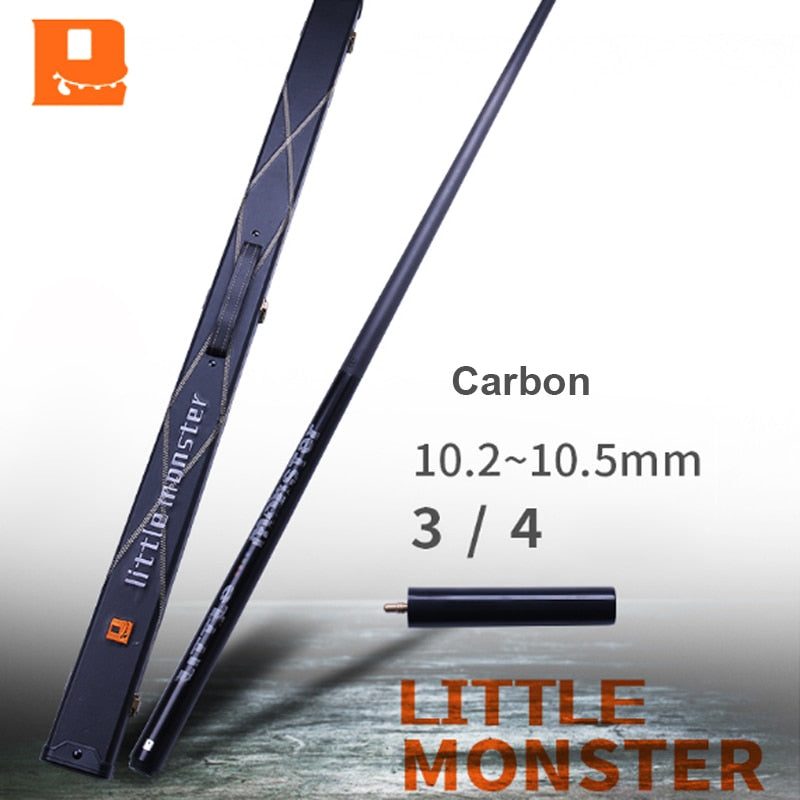
- Carbon-shafted cues are the modern wildcard, offering low deflection and resilience to humidity. They feel different to timber and aren't to everyone's taste, but something like the CUPPA New Arrival Little Monster Carbon Billiard Snooker Cue Stick 10.2mm Tip with Snooker Cue Case Set is worth a try if you want low maintenance.
Ash or maple shaft?
Snooker is traditionally played with ash, prized for its visible long grain (the "arrows") that many players use as a visual aid for cueing straight. Maple is smoother and creamier in appearance, with a slightly softer feel that some find more forgiving. Neither is objectively better — it genuinely comes down to what you like looking down. If you can, hold a few before committing. The High Quality Omin Handmade 3/4 Snooker Cues Stick Billiard 9.5mm/10mm/11.5mm Tip China offers a choice of tip sizes so you can fine-tune the front end to your preference.
Tip size and what it means
Snooker tips typically range from about 9mm to 11mm. A smaller tip (9–9.8mm) rewards precise striking and is the traditional snooker choice, while a larger tip (10–11mm) is more forgiving and suits players moving across from pool. Beginners often do well around 9.8mm to 10mm — small enough to learn good cue-ball control, large enough to be tolerant of slightly off-centre hits.
Weight, balance and length
Most snooker cues sit between 17 and 19oz. Heavier cues can feel more stable and effortless on power shots; lighter cues offer more touch and feel. If you're unsure, 18oz is a safe middle ground. Standard length is around 57 inches, and most decent cues come with an extension or accept one, which matters more than people realise once you're stretched over the table.
Balance point is the underrated factor: hold the cue across one finger and see where it settles. A point roughly 16–18 inches from the butt suits most players. Trust how it feels in the hand more than the numbers on paper.
Comparing a few starting options
Here's a quick side-by-side of three popular routes, from budget practice cue to a more refined split cue and a carbon option.
Who each suits
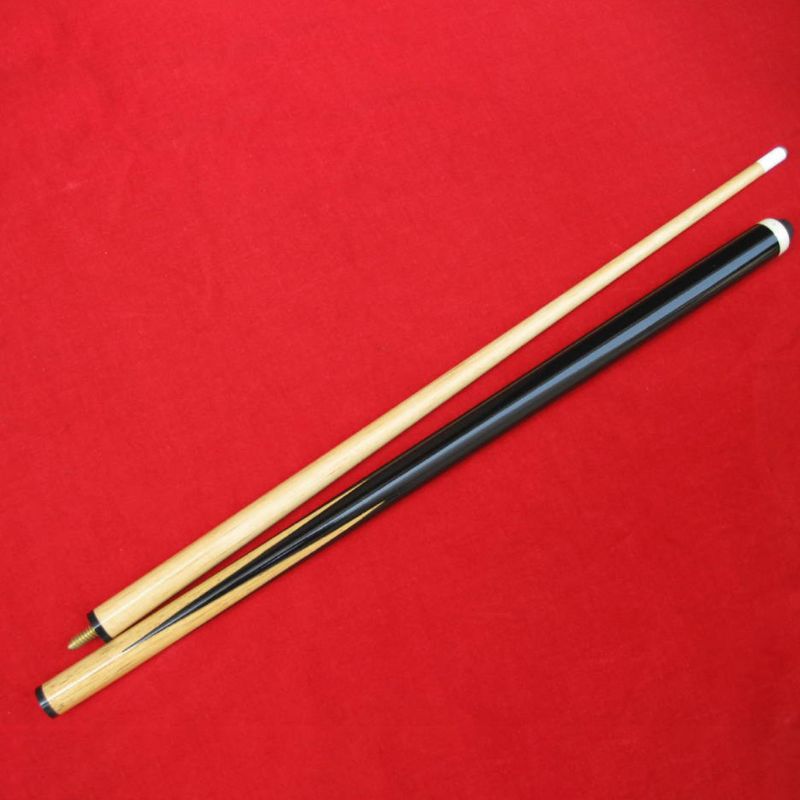
- Absolute beginner / shared household: a cheap, robust pair like the 2 Pcs 145cm/57inch American Snooker Wood Pool Cue Assemble Children Adult Home Billiards Exercising Entertaining Tools Supply lets several people play without worrying about damage.
- Committed learner: a 3/4 ash cue with a case gives you something to grow into.
- Low-maintenance modernist: a carbon cue if you dislike chalking dust, humidity quirks and the occasional warp.
Don't forget the small stuff
A good cue performs only as well as its tip allows, and a fresh, evenly applied layer of chalk makes a real difference to grip and spin. Keep a few cubes of decent 4pcs Cheap Billiards Snooker Cue Chalk Billiard No-slip Chalk Indoor Sport Accessories in your case from day one — it's the cheapest upgrade in the game and the most frequently neglected.
Final thoughts
For most players starting out, a 3/4 split ash cue around 18oz with a 9.8–10mm tip and an included case is the most sensible, future-proof choice. Buy something that feels right in your hands, look after the tip and chalk it properly, and you'll have a cue that serves you well long after the novelty wears off. Spend on feel, not on flash — the improvement comes from the hours you put in, not the price tag.