The Cue Case Features That Actually Prevent a Warped or Chipped Cue
· Mark O'Sullivan
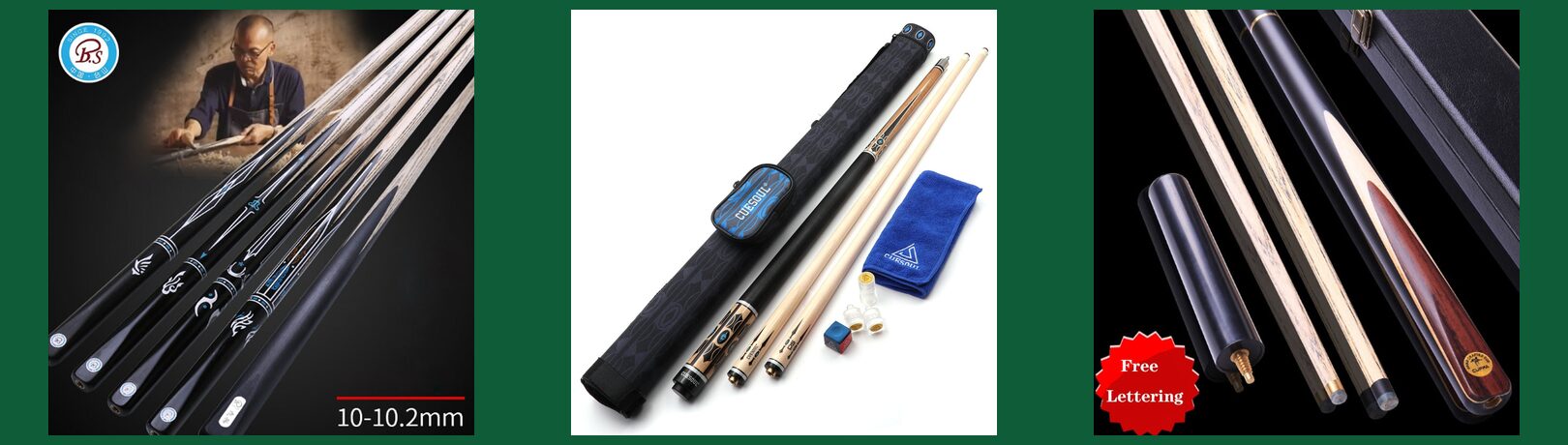
Most cue damage doesn't happen at the table — it happens in the boot of a car, on a crowded train, or leaning in a hallway where someone knocks it over. A cue case is cheap insurance for the most expensive piece of kit you own, yet plenty of players treat it as an afterthought. In this guide I'll walk through the details that genuinely protect a cue, so you can tell a proper case from a glorified sleeve.
Fit comes before everything else
A case that's too loose lets the cue rattle around, and every bump transfers straight into the shaft and joint. A case that's too tight forces the ferrule or tip against the end and can crush them over time. The best fit holds each section snugly with a little give, so the cue can't shift but nothing is under constant pressure.
This is where matching the case to the cue matters. A one-piece cue needs a full-length case, while a jointed cue needs compartments sized for two (or three) sections. Buying a cue-and-case set removes the guesswork entirely, which is one of the quiet advantages of bundles like the NEW Cuppa 3/4 Snooker Cues Stick 9.8mm 11.5mm Tip with Snooker Cue Case Set — the case is built around that exact cue rather than a generic length.
Hard shell vs soft case: what you're really choosing
A hard case protects against crushing and impact — the classic "someone stacks a bag on top of it" scenario. A soft tube or padded pouch is lighter and easier to carry, but relies on you being careful. If you travel, take public transport, or store the cue among other gear, a rigid shell is worth the extra bulk.
You'll find genuine hard cases on sets such as the BS New Arrival One Piece Billiard Snooker Cue Stick 10.2mm Tip with Hard Snooker Cue Case Set and the pool-oriented CUESOUL 58" 19oz DS Maple Pool Cue Stick Set with 2 Shaft,13mm Tip Hard Cue Case 1x1(Cue Set and Cue Shaft only for your choice), which is designed to carry a butt and spare shaft together. Be realistic, though: most cases in this price bracket are imported and functional rather than luxurious. They protect well; they won't feel like a hand-stitched leather flight case.
Lining and internal padding
Look at what actually touches your cue. A soft, non-abrasive lining stops the finish from being scuffed every time you slide the cue in and out. Cheaper cases sometimes use a coarse fabric that dulls a glossy shaft over months of use. Divided compartments are a bonus — they stop the butt and shaft knocking together, which is the most common source of little joint dings.
Closures, seams and the boring bits that fail first
Zips and clasps are usually the first things to go. A chunky zip that runs the full length is easier to load and less likely to jam than a short opening you have to feed the cue through. Check that seams are reinforced and that any carry strap is stitched to the body rather than glued to a thin panel. If a listing shows a proper handle and strap, that's a good sign it's meant to be carried, not just stored.
Room for accessories and extensions
If you use a telescopic extension like the Snooker Cue Extender Adjustable Length Telescopic Cue Extension, make sure the case has a pocket or a third channel to hold it — otherwise it rattles loose or you leave it behind. A little external pocket for chalk, a mini-tool and a glove keeps your whole kit in one place, which sounds trivial until you turn up to a match missing something.
Humidity and warping — the long game
Cue timber warps when it's exposed to heat and damp, or stored badly for long periods. A case won't magically climate-control your cue, but a closed, padded case keeps it away from radiators, sunlit windows and the swings of a cold garage far better than an open rack does. Store it flat or hanging, never leaning against a wall under its own weight for weeks on end. A well-made set such as the handmade Handmade Cuppa 3/4 Snooker Cues 9.8mm Tip With Black Snooker Cue Case Set Padauk Handle China pairs an anti-cracking lacquered cue with a matching case, which is a sensible starting point if you're building from scratch.
Comparing a few case-and-cue sets
Because standalone cases are hard to size correctly, many players simply buy a set. Here are a few worth weighing up:
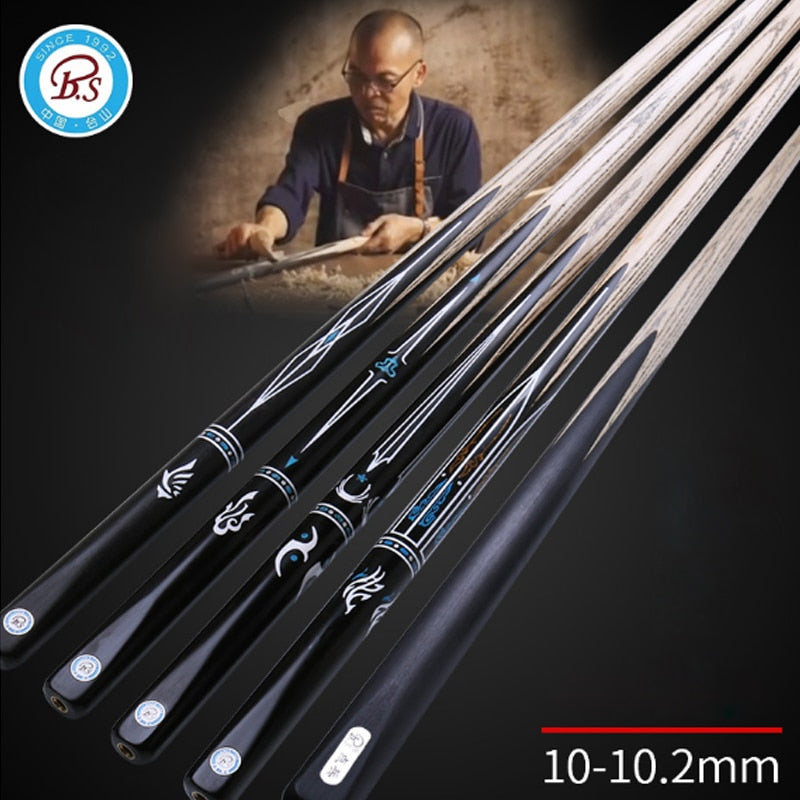
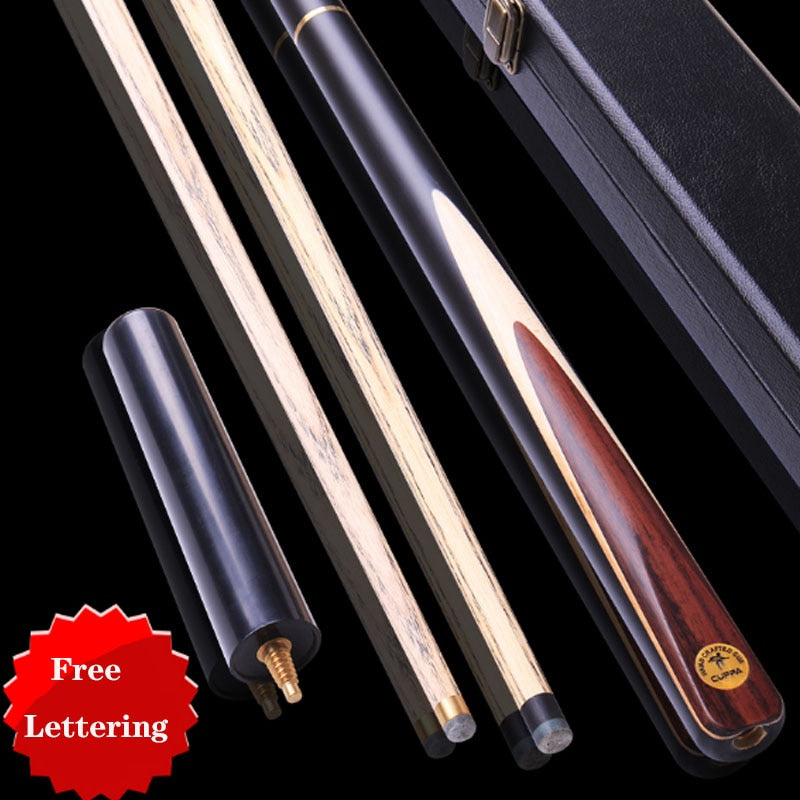
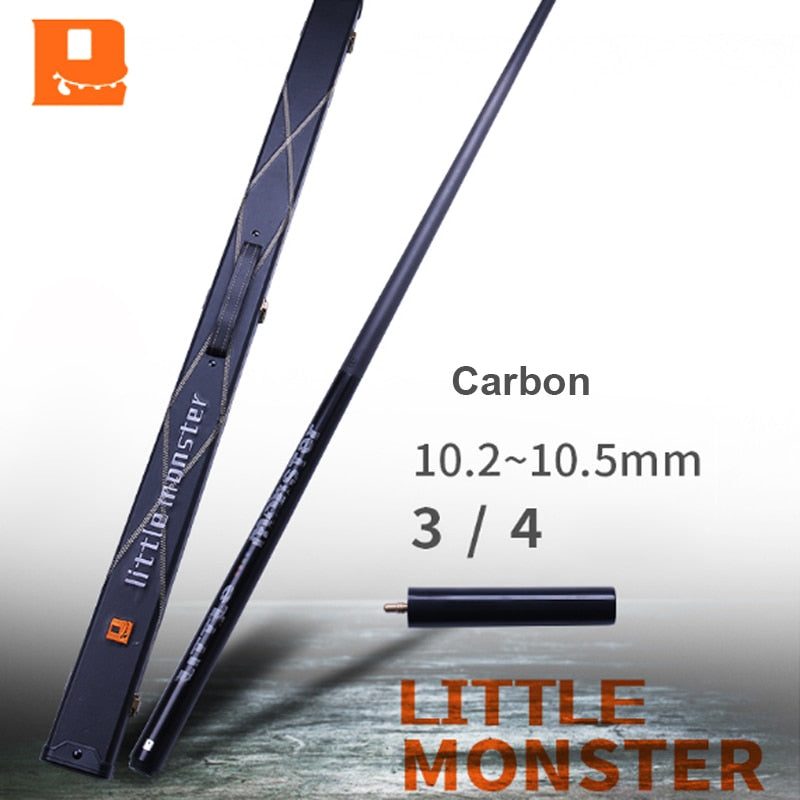
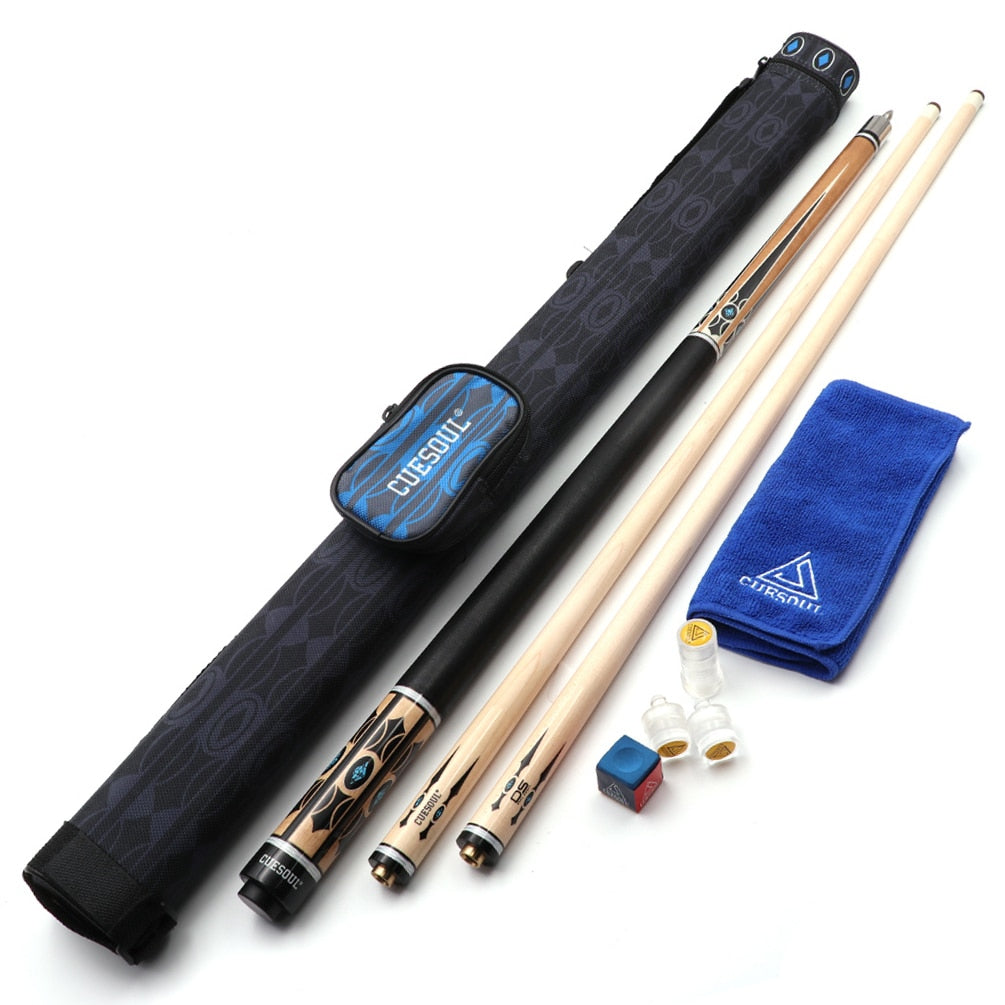
The one-piece hard-case set suits players who don't need to break the cue down and want maximum impact protection. The 3/4 jointed Cuppa set is the practical all-rounder for travel and storage. The carbon-shaft CUPPA New Arrival Little Monster Carbon Billiard Snooker Cue Stick 10.2mm Tip with Snooker Cue Case Set is the premium option here, and its case is built for a cue you'll want to look after.
The short version
- Fit first: snug, not crushing, and matched to one-piece or jointed.
- Shell: hard for travel and rough handling, soft for light home use.
- Lining: soft and ideally divided to protect finish and joint.
- Closures: full-length zips and stitched straps last longest.
- Extras: room for an extension, chalk and a glove.
You don't need to spend a fortune. A well-fitted, padded case — often the one that comes matched to your cue — will keep a shaft straight and a finish clean for years. Get the fit and the closures right, store it sensibly, and the case quietly does its job every single day.