The Cue Doctor's Guide: Spotting and Fixing Common Snooker Cue Problems
Published · Updated · Mark O'Sullivan

Most snooker cue problems don't announce themselves. They creep in over weeks — a shaft that drags a little more, a tip that stops holding chalk, the odd miscue you can't explain. By the time you notice, your cueing has quietly compensated for a fault that's easy to fix. This guide works like a diagnosis: match the symptom to the cause, then reach for the right bit of kit. Most of it costs less than a round of drinks.
Symptom: the shaft feels sticky and drags through your bridge
A fast, clean shaft glides. A sticky one snatches, and your delivery loses its smoothness — especially on long, slow deliveries where feel matters most. The culprit is almost always a build-up of hand oils, sweat, chalk dust and airborne grime bonding to the lacquer or bare wood.
The cure is regular, gentle cleaning rather than aggressive scrubbing. A cue burnisher and polisher like 1/2/3pcs Professional Billiard Pool Cue Burnisher Cleaner Polisher Home Cleaning Snooker Pole Training Pool Ball Accessories lets you work the shaft down with light pressure, lifting grime and re-smoothing the surface. Run it up and down the shaft, not round it, and stop as soon as the wood feels dry and slick again.
Prevention beats cure, though. Much of the grease that clogs a shaft comes straight off your bridge hand. A three-finger glove such as Spandex Snooker Billiard Cue Glove Pool Left Hand Open Three Finger Accessory for Unisex Women and Men 4 Colors 1Pcs creates a consistent, low-friction surface and keeps sweat off the timber. It won't transform your technique, but it does keep the shaft cleaner for longer between polishes.
Symptom: the tip won't hold chalk and you're miscuing
If you're chalking constantly and still getting side-slips on the cue ball, your tip has probably glazed over. Repeated striking compresses and hardens the surface until chalk simply skates off. The fix is to break that glaze with a light pricking or scuffing so chalk can key into the leather again.
Don't overlook the chalk itself while you're at it. Old, worn-down or cheap crumbly chalk applies unevenly and leaves gaps. Keeping a fresh block in rotation — a multipack like 4pcs Cheap Billiards Snooker Cue Chalk Billiard No-slip Chalk Indoor Sport Accessories means you're never chalking with a stub — often solves what looks like a tip problem. Chalk in gentle sweeping strokes, don't grind it in.
Symptom: the tip is worn flat, mushrooming or coming loose
Every leather tip has a lifespan. When it's worn thin, spread wider than the ferrule (mushrooming) or peeling at the glue line, it's time to replace it. This is the one job that genuinely improves how the cue plays rather than just maintaining it.
Your options range from premium to purely practical. A layered tip like Japanese Original KAMUI Clear Cue Tips Billiard Pool Cue KAMUI Tip 14mm SS/S/M/H Snooker Tip Brown 11mm M/MH Billiard Accessory offers consistent feel and holds shape well, and comes in hardness grades so you can match it to your game. For a bulk stock of glue-on leather tips to practise fitting, CUESOUL 6pcs/set 14MM Baked Pig Suede Billiard Snooker Cue Tip & Pool Cue Tip is sensible value. And if you want the quickest possible swap with no clamping or gluing, a screw-on set such as 10PCs/set Screw On Cue Tips For Billiard Pool Cue Stick and Snooker Cue Replacement Parts Stick Repair Tool for Snooker 10mm Hot gets you back playing in minutes — though it won't feel as refined as a properly bonded leather tip.
Here's how these tip options stack up for a home player:

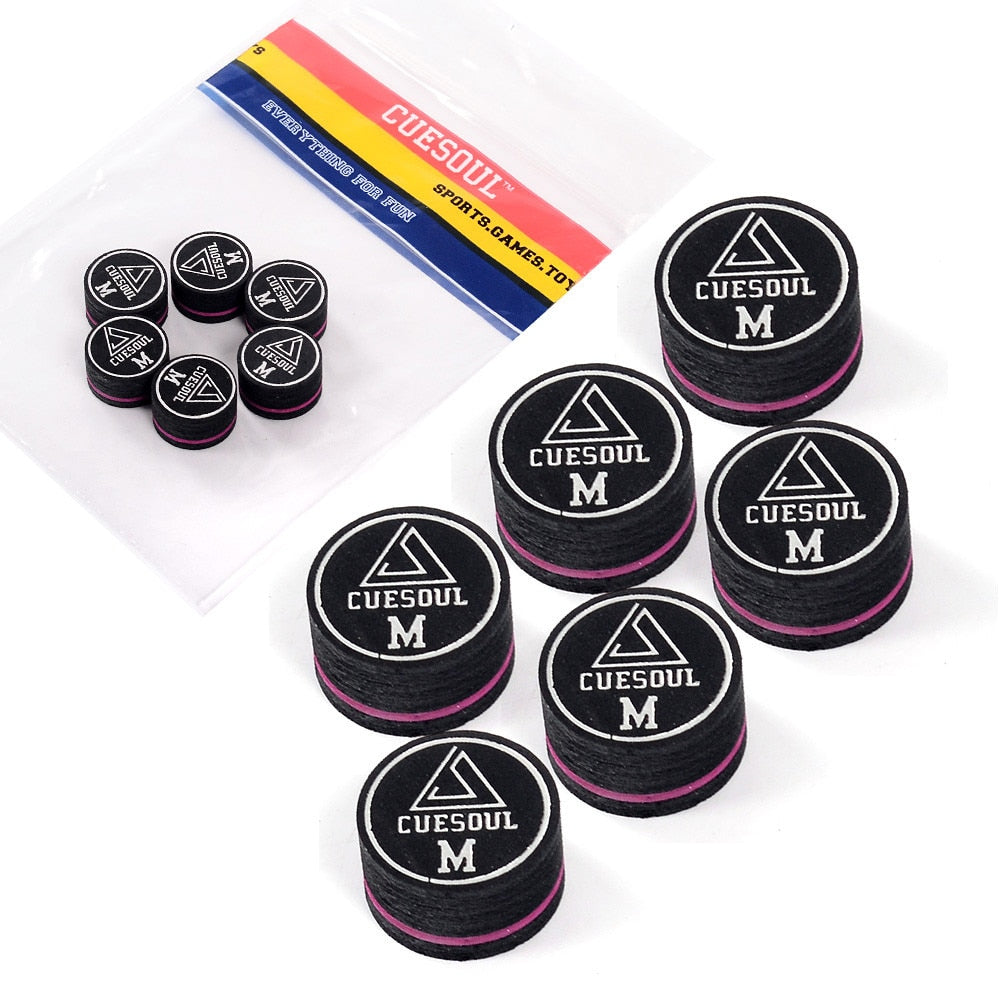
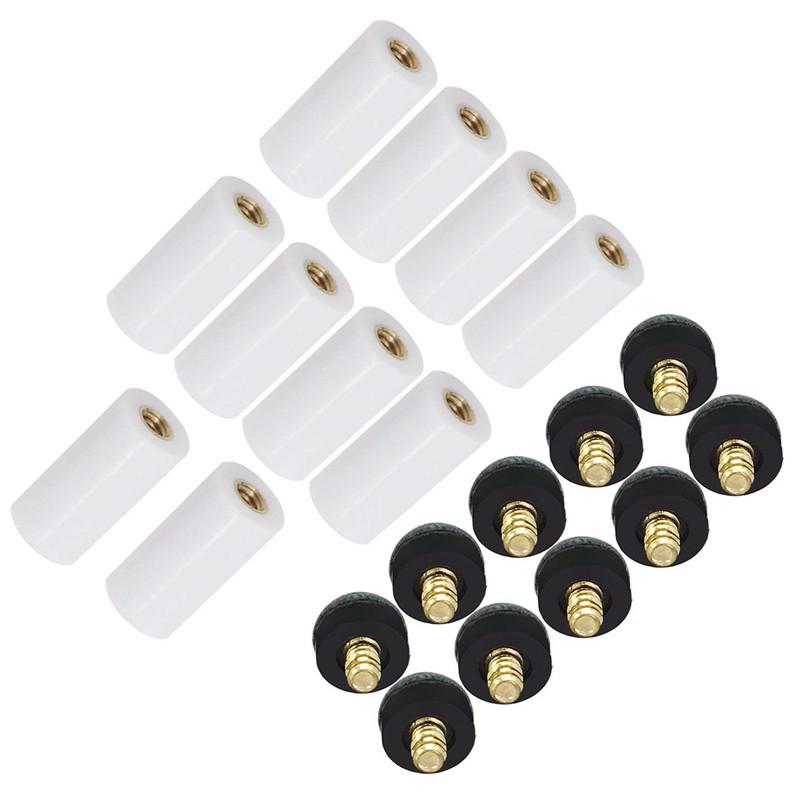
A quick honesty note: most of these accessories are affordable, imported items. They do the job well for club and home players, but sizing and finish can vary between batches, so check the tip diameter against your ferrule before buying.
Symptom: the cue is starting to bow or warp
Warping is the one fault you can't polish out — so this section is all about prevention. Wood moves with heat and humidity, and the fastest way to ruin a straight cue is to lean it against a wall, leave it in a hot car, or store it flat where it can sag under its own weight.
- Store it upright or flat and supported. A simple rack such as Billiards Cue Rack Bridge Head Cross Antlers Rod Holder Snooker Pool Plastic Staghorn Shape 2 Color keeps the cue vertical and off the floor between sessions.
- Keep it away from radiators, sunny windowsills and car boots. Sudden temperature swings are the enemy.
- For a jointed cue, don't over-tighten the joint — hand-tight is enough to avoid stressing the threads.
- Roll it on a flat surface occasionally to check it's still true, so you catch any movement early.
A simple maintenance rhythm
You don't need a ritual. A light wipe-down after every session, a proper polish every few weeks, fresh chalk in rotation, and a tip check once a month will keep almost any cue playing well for years. Match the fix to the symptom, store it sensibly, and your cue will reward you with the same true, predictable delivery frame after frame.
The kit above is inexpensive and does most of the work — the real secret is simply using it consistently rather than waiting for a problem to force your hand.