Upgrade Your Home Table on a Budget: A Spending Order That Works
Published · Updated · Mark O'Sullivan

Fix cheap contact points first — chalk, tip, cue ball — before spending on cues; £30-£50 spent in the right order transforms a home table.
There's a persistent myth that playing better at home means spending hundreds on a new cue or a new table. It rarely does. Most home tables don't feel disappointing because the table is bad — they feel disappointing because the kit around the table has been neglected: greasy chalk, a warped house cue behind the sofa, a chipped cue ball that skids off line, and a tip nobody's looked at in years. Fixing all of that costs a fraction of a single new cue, and doing it in the right order means every pound you spend actually gets felt at the table.
This guide sets out a sensible spending sequence for a shared, budget home setup — whether it's just you, or a table that gets mobbed by guests and kids every weekend. Start at the top, stop when your budget runs out, and everything you buy will have earned its place. A quick note on honesty: most of the kit below is affordable and imported. It won't have the finish of premium British brands, but for casual and club-level play at home, it does the job well.
Stage one: fix the contact points (do this first)
Before anything else, sort out the things that quietly wreck every shot. These cost pennies but make an immediate, noticeable difference to how the table plays.
Chalk: the cheapest upgrade that matters
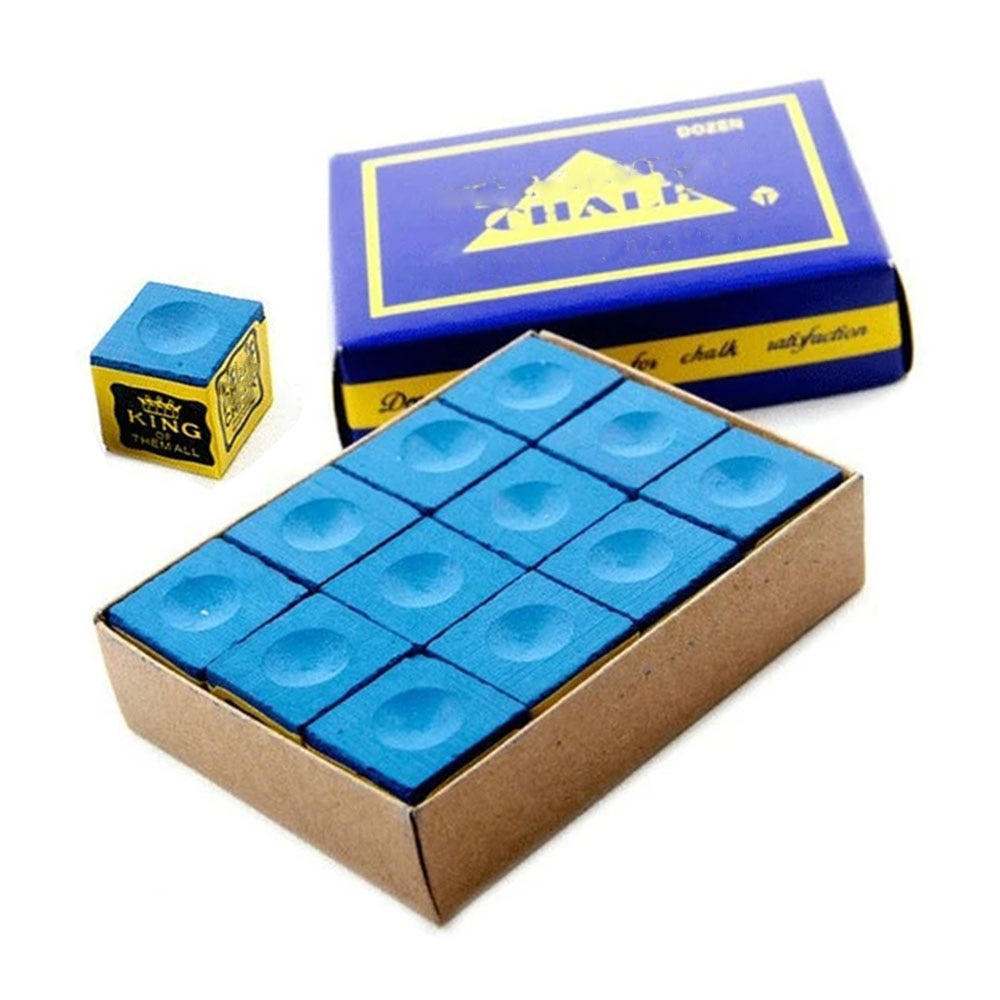
Old, shiny, hard-packed chalk simply doesn't grip the tip, and that's where most casual miscues come from. A multipack like the 4pcs Cheap Billiards Snooker Cue Chalk Billiard No-slip Chalk Indoor Sport Accessories is cheap enough to scatter around the room, so nobody's hunting for the one usable block or playing off a glazed-over cube. Chalk properly too — a light, even coating over the whole tip, not one scrubbed spot. Be realistic about what this is: it's affordable, imported chalk, not tournament-grade Triangle or Masters, but for grip and availability on a home table it's perfectly serviceable.
Replace the tired cue ball
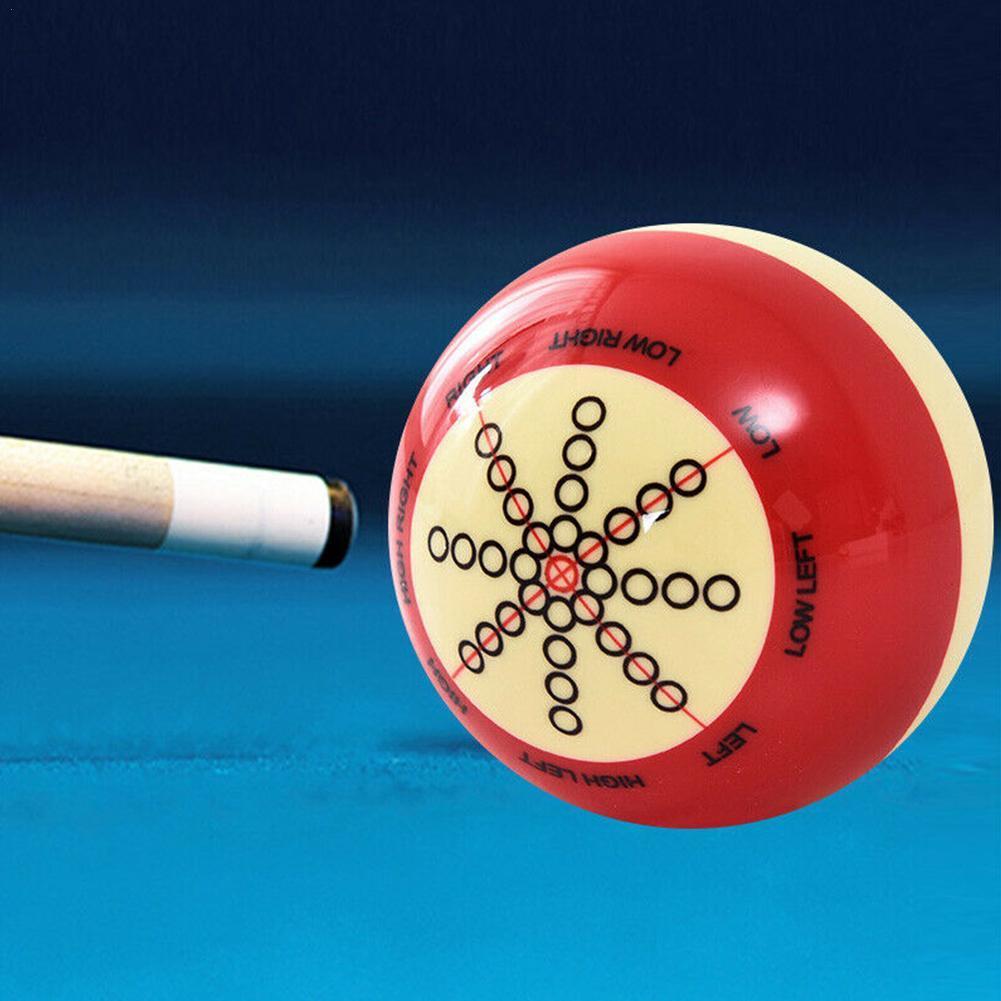
A worn, yellowed or chipped cue ball is one of the most overlooked reasons a home table feels "off". It picks up nicks, plays inconsistently and can throw shots subtly off line — and no cue on earth fixes that. A fresh 57mm resin ball such as the Billiard Cue Ball Durable Resin Billiard Practice Training Pool Cue Ball Snooker Training Balls Cueball 57mm Table Ball Practice restores predictable roll cheaply, and doubles nicely as a dedicated practice ball for solo drills so your match set stays clean. Just check 57mm matches your table before ordering — it suits most pool setups but not full-size snooker.
Give the shaft a five-minute service
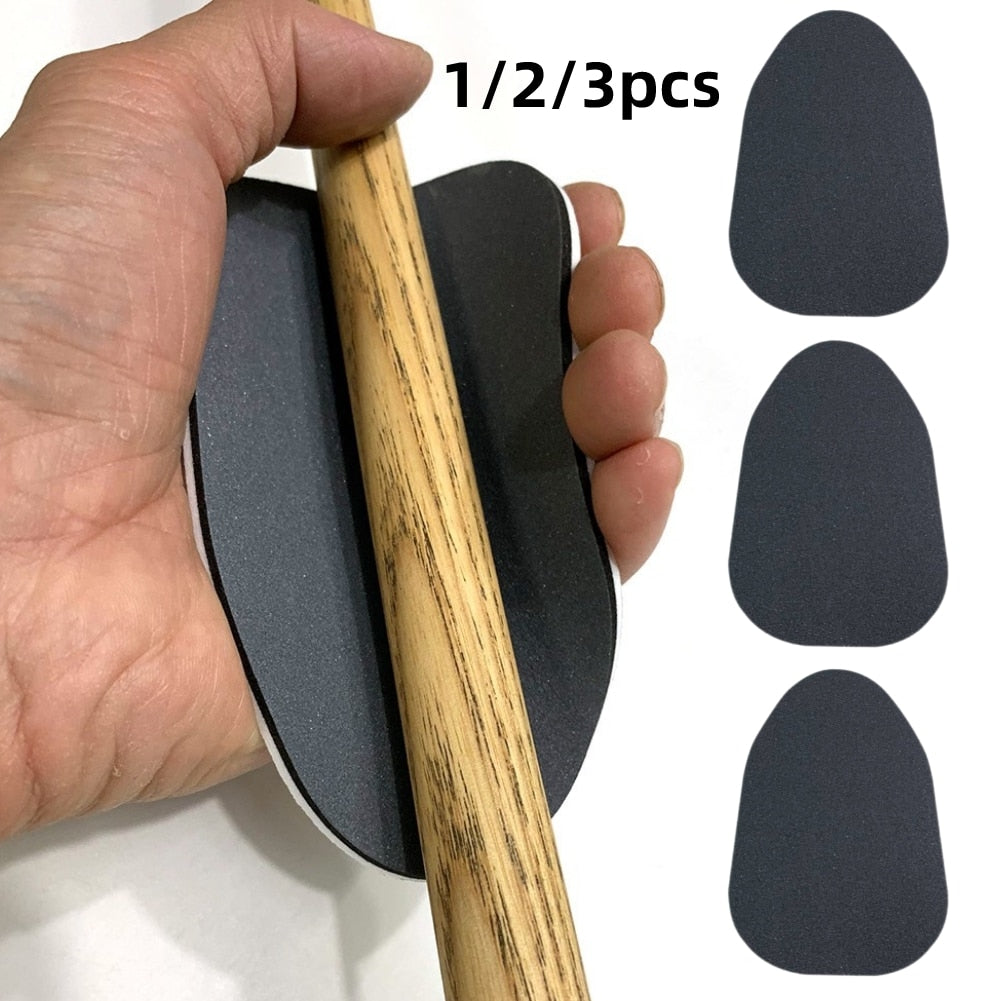
A sticky shaft drags on your bridge hand and ruins delivery. Rather than replacing a perfectly good cue, clean and burnish it. A simple tool like the 1/2/3pcs Professional Billiard Pool Cue Burnisher Cleaner Polisher Home Cleaning Snooker Pole Training Pool Ball Accessories smooths and polishes the wood in a couple of minutes, and it's the cheapest performance upgrade in the entire hobby. Run it over house cues once a season, or after any session where sticky-fingered guests have handled the shafts, and they'll feel noticeably better for pennies.
A worn tip is worth fixing too
If your cue strikes inconsistently and the tip is glazed or mushroomed, a re-tip punches well above its price — arguably the biggest single feel-upgrade per pound after chalk. A premium layered tip such as the Japanese Original KAMUI Clear Cue Tips Billiard Pool Cue KAMUI Tip 14mm SS/S/M/H Snooker Tip Brown 11mm M/MH Billiard Accessory holds chalk and shape reliably, giving much better control of screw and side. A simple rule if you're kitting out more than one cue: fit one quality tip to your main cue, and use cheaper glue-on tips for spare and family cues. Fitting a glue-on tip takes a steady hand — if you're not confident, a local cue repairer will do it cheaply, and the payoff in feel is genuine either way.
Stage two: comfort and reach
Once the table plays cleanly, turn to the small kit that steadies your delivery and makes longer sessions more comfortable.
If your bridge hand drags or sweats — common in a warm, crowded room — a smooth open-finger glove lets the cue slide cleanly instead of stuttering on delivery. It's a personal-preference item, so buy one, try it, and add more only if you like the feel.
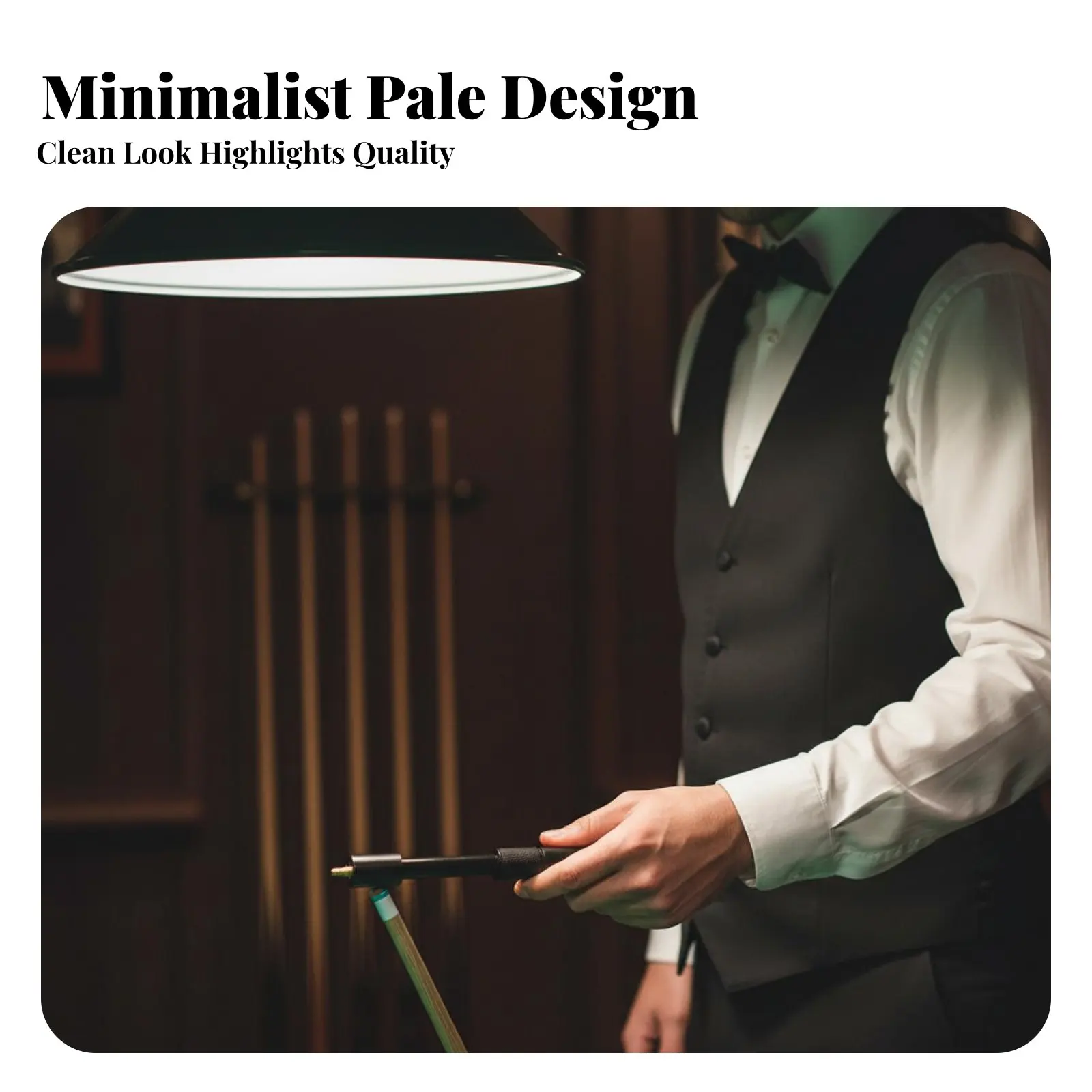
Home tables are also often boxed into corners, so long shots become a nightmare of stretching and fouling. A telescopic Snooker Cue Extender Adjustable Length Telescopic Cue Extension slips onto the butt of most cues and gives you the extra length to play the shot properly, keeping a proper stance instead of lunging over the table. It's a small addition that removes a genuine, recurring source of frustration, and it packs away in seconds when you don't need it.
Stage three: sort the house cues
If guests are forced to share one decent cue, games grind to a halt — and nothing wears a tip, dents a shaft or picks up a warp faster than being handed to someone who treats it like a broom handle. The fix isn't buying everyone a proper jointed cue; it's keeping two or three honest, playable house cues by the table that anyone can pick up, so your good cue stays out of the rotation.
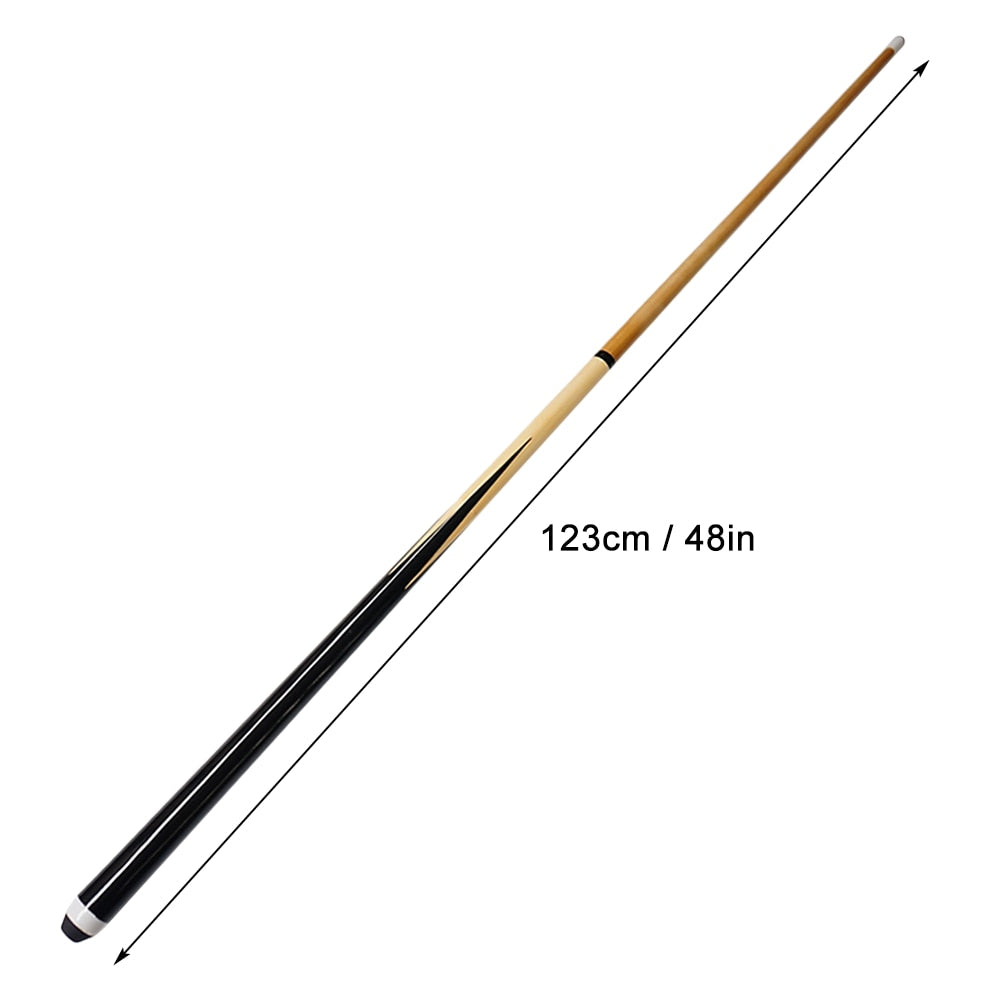
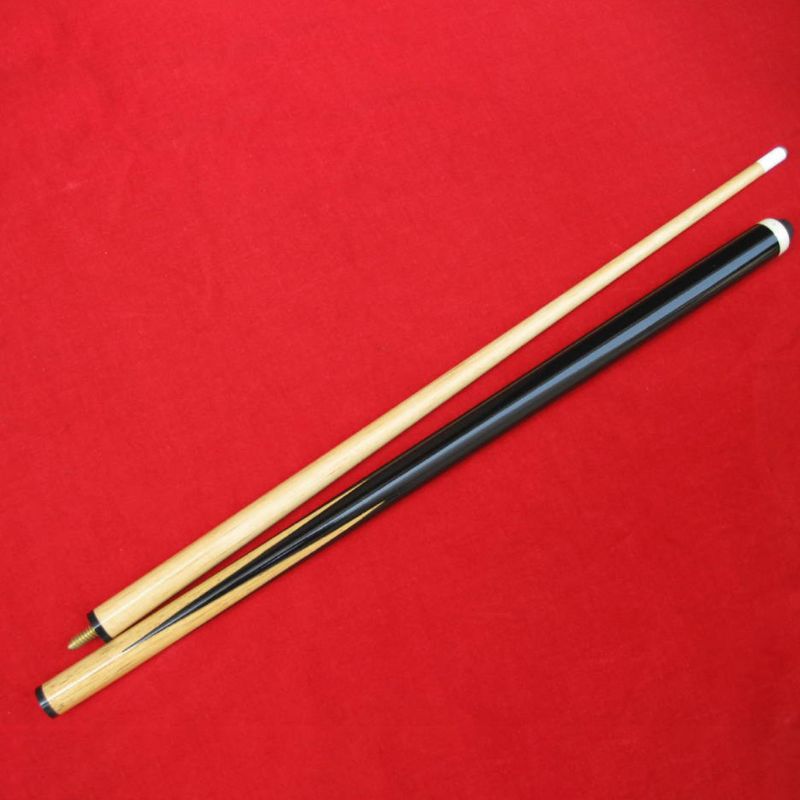
A one-piece bar-style cue such as the 48In 1/2 Structure 1Pcs Wooden Pool Cues Billiard House Bar Pool Cues Sticks Entertainment Snooker Accessories Billiard Tools is a handy 48-inch option that suits kids, smaller players and tight rooms. For adults and taller teenagers, a full-length pair like the 2 Pcs 145cm/57inch American Snooker Wood Pool Cue Assemble Children Adult Home Billiards Exercising Entertaining Tools Supply gives you two knockabout sticks that live by the table permanently. Be realistic about what these are: honest, functional cues with a basic finish, not precision instruments — but for a Sunday-afternoon frame they do the job admirably.
Stage four: store what you've got
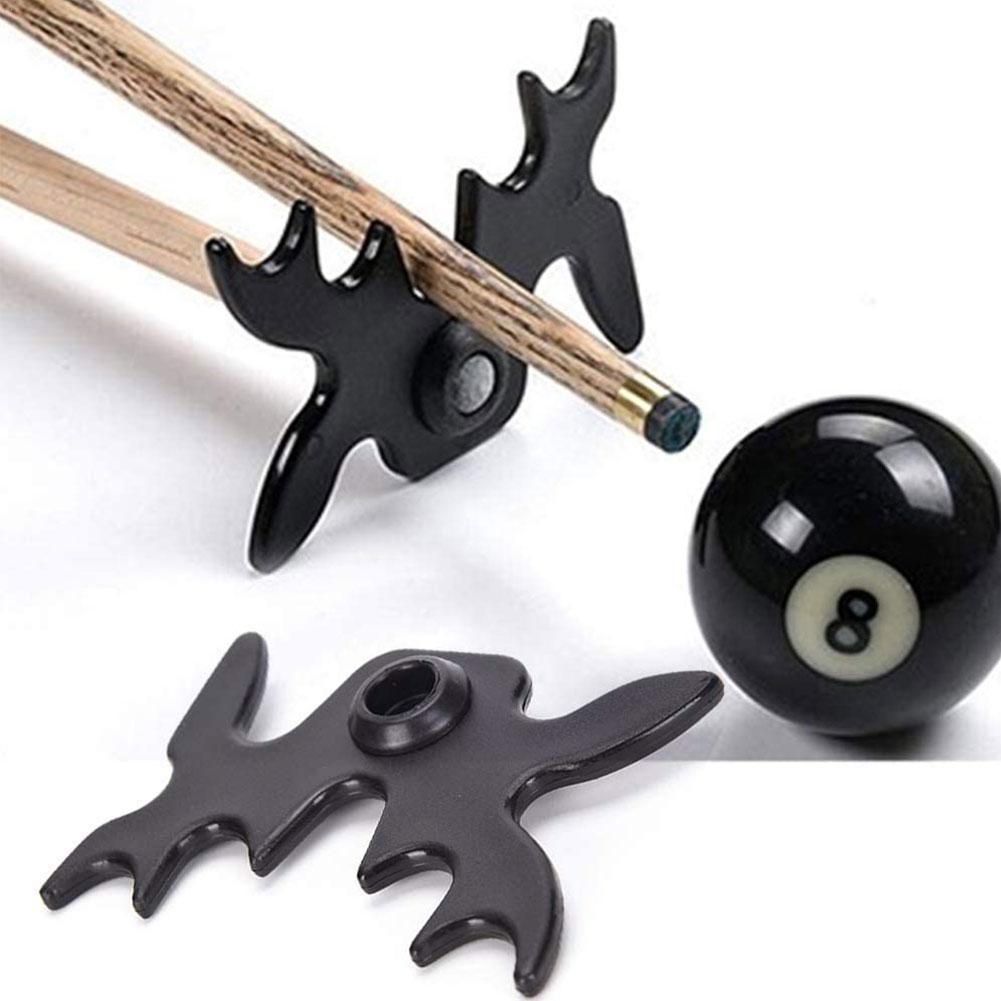
Cues leaned in a corner bow over time, and a bowed cue never plays straight again — leaning against a wall or radiator is the single most common cause of warping in a home setting. A wall-mounted rack keeps everything vertical, off the floor and out of harm's way. The staghorn-style Billiards Cue Rack Bridge Head Cross Antlers Rod Holder Snooker Pool Plastic Staghorn Shape 2 Color doubles as a spot to keep a bridge head handy too. It's plastic rather than solid timber, so treat it as practical storage rather than furniture, but for a few pounds it protects everything you've already bought — which makes it one of the smartest small buys on this list.
Here's how the core small-ticket upgrades compare, so you can see where each one fits your budget:
Stage five: the cue itself (only once the basics are sorted)
Now — and only now — is the time to consider a personal cue. By waiting until you've fixed chalk, tip and cue ball, you'll know exactly what you like about how the table plays, rather than masking a dirty shaft or dead cue ball with an expensive purchase. A great cue on a glazed tip and tired chalk still plays badly.
My advice: buy one good cue for the keen player in the house rather than three mediocre ones. Everyone else can happily use the tidy house cues from stage three. In the budget-to-mid-range bracket, a 3/4-jointed ash cue with a case is the sweet spot for home snooker players — something like the New Arrival Cuppa 3/4 Snooker Cues Sticks 9.8mm Tips Snooker Cue Brands China or the ash-shafted 2022 New Billiards JIAN YING SD Series Snooker Cue 10mm Tip Ash Shaft Snooker Cue Case Set gives a familiar tip size and protective storage in one buy. If your home table is American pool rather than snooker, the maple-shafted CUESOUL 58" 19oz DS Maple Pool Cue Stick Set with 2 Shaft, 13mm Tip Hard Cue Case with a spare shaft suits the heavier balls and larger tip better.
Be honest about expectations here too: these are affordable, largely imported cues, not hand-selected tournament sticks. Check the shaft is straight on arrival and expect to fine-tune the tip. For the money, they play well above their price, and they'll outlast a bargain-bin stick by a wide margin.
A sensible spending order, start to finish
If you're building this up gradually rather than all at once, here's the order that gets the most improvement per pound:
- First: fresh chalk and a new cue ball — instant improvement, tiny outlay.
- Next: a shaft clean and, if needed, a re-tip on your main cue.
- Then: a glove and a telescopic extension for comfort and reach.
- After that: a couple of house cues so guests stop fighting over one stick.
- Then: a wall rack to protect everything long-term.
- Finally: a personal cue, once you know exactly what your table — and your game — actually need.
Notice that a new flagship cue isn't near the top of that list. For most home players, the gains from clean kit and reliable contact points far outweigh the difference between a budget and a mid-range cue. Spend big on a personal cue once you take the game seriously; spend small, and spend wisely, on the shared gear everyone relies on first.
The honest bottom line
Upgrading a home setup well is mostly about discipline, not money. Fix the contact between tip and ball, look after the cue you've got, tidy the space so gear stays in good order, and only then think about a new cue. The products here are affordable imports — practical rather than premium — but used sensibly and in the right order, they'll make your home table feel sharper for every single person who walks up to it, for well under the price of one mid-range cue.
Frequently asked questions
What's the single best first upgrade for a home table?
Fresh, no-slip chalk. It costs almost nothing, and old glazed chalk is the most common cause of miscues on a home table, so replacing it gives an instant, noticeable improvement before you spend on anything else.
Do I need to replace my cue ball?
Only if yours is chipped, yellowed or skidding off line. A cheap 57mm resin replacement rolls truer than a battered original and doubles as a dedicated practice ball, so it's worth keeping as a spare even if your match ball is fine.
Is it worth re-tipping an old house cue?
Yes, if the tip is glazed, flat or mushroomed — it's one of the biggest feel upgrades per pound available. Fit a quality tip to your own main cue and use cheaper glue-on tips for spare or family cues, and get a cue tech to fit it if you're not confident doing it yourself.
Should I buy a new cue before anything else?
No. Fix chalk, tip and cue ball first, because a good cue played on a glazed tip and tired chalk still plays badly. Once the basics are sorted, a budget-to-mid-range 3/4-jointed cue is a sensible next step if house cues are genuinely holding you back.
How do I stop my cues warping at home?
Never leave cues leaning against a wall or radiator — that's the single most common cause of warping in a home setting. A cheap wall-mounted rack keeps them upright, off the floor and out of the way of knocks.
What's the best budget option for guests and kids?
A couple of inexpensive house cues that live permanently by the table. A shorter 48-inch cue suits kids and tight rooms, while a full-length pair suits adults and teenagers — either way, it keeps your own good cue out of the rotation.
Are cheap, imported accessories actually any good?
For casual and club-level home play, yes — they do the job well. Just set sensible expectations: consistency can vary unit to unit, tips may need shaping, and resin practice balls won't behave exactly like a premium match set.
How much does a full budget upgrade actually cost?
The small-ticket items — chalk, cue ball, burnisher, rack and extension — typically add up to well under £30 combined. Even adding a pair of house cues and a proper personal cue later still comes in under the price of a single flagship cue.