Snooker Scoring Explained: Points, Fouls & Snookers
Published · Mark O'Sullivan
Snooker can look baffling on the telly: a player pots a red, then a colour, then a red again, and the numbers on screen keep ticking over. But the scoring system is genuinely logical once you know the values and the sequence. This guide walks through ball values, the famous maximum break, how fouls are penalised, what "snookers required" actually means, and how to read a scoreboard without squinting.
Ball values: the numbers behind every pot
A full snooker set has 22 balls: one white cue ball, 15 reds, and six colours. Each ball carries a points value:
- Red — 1 point
- Yellow — 2 points
- Green — 3 points
- Brown — 4 points
- Blue — 5 points
- Pink — 6 points
- Black — 7 points
If you're setting up at home, a correctly coloured, correctly weighted set matters more than beginners expect. A matched set like the PowerGlide Snooker Ball Set or the budget-friendly Snooker 17 Ball 2" Set keeps the colours true so there's no confusion about what you've just potted.
How a break is scored
During normal play you must pot a red first (1 point), then nominate and pot any colour (2–7 points). The colour is then returned to its spot, and you pot another red, then another colour, and so on. Each pot adds to your break — the running total scored in a single visit to the table.
Once all 15 reds are gone (along with a colour after each), the six colours are potted in ascending order of value — yellow, green, brown, blue, pink, black — and this time they stay down. This is where big breaks are built, and why a reliable Tournament Cue Ball 57.2mm Billiard Training Accessory Resin Practice Ball For Black Eight Pool Sports Durable Quality is worth having for practice: positional play on the colours decides most frames.
The maximum break: where 147 comes from
The perfect, or maximum, break is 147. Here's the maths:
- 15 reds × 1 point = 15
- 15 blacks (one after each red) × 7 points = 105
- The six colours at the end: 2+3+4+5+6+7 = 27
Add them up — 15 + 105 + 27 = 147. It requires potting every red with the black, then clearing the colours flawlessly. It's rare, celebrated, and a genuine mark of class. If you fancy chasing big breaks yourself, structured routines help; a practice book such as 147 Snooker Drills and Exercises breaks the clearance down into repeatable patterns.
Fouls: how points go to your opponent
A foul gives penalty points to your opponent, not to you. The minimum penalty is 4 points, and the penalty rises with the value of the ball involved. Common fouls include:
- Missing all balls (or failing to hit the ball "on" first)
- Potting the cue ball (an in-off)
- Potting the wrong ball
- Knocking a ball off the table
- A push shot or touching a ball with anything but the cue tip
The penalty is the higher of 4 points or the value of the ball involved. So fouling on the pink is worth 6 to your opponent, and fouling on the black is worth 7. After a foul, the incoming player can usually play the ball as it lies or ask the offender to play again.
Many fouls come from a slipping cue or a sticky bridge hand rather than bad aim. Chalking properly and keeping clean contact prevents a surprising number of misses — a simple cube like the 2026 V10 Billiard Round Chalk Blue/Green Colors Professional Chalk Snooker Cue Stick No-slip Pool Chalk Billiards Accessories does the job for casual play.
Snookers required: the comeback maths
When a player is behind, commentators talk about them "needing snookers". A snooker is a shot where you leave the cue ball so your opponent can't hit the ball "on" directly, forcing them to attempt an awkward escape — and risk conceding foul points.
"Snookers required" is a calculation: if the points remaining on the table aren't enough for the trailing player to catch up by potting alone, they must gain points through forced fouls. The rough rule: count the points left (reds plus colours), compare the gap, and if the gap is larger than what's available, the trailing player needs to force fouls — typically worth 4 or more each — to stay in the frame. It's why a seemingly lost frame can swing dramatically in the final few balls.
Ball set comparison
Scoring is only as clear as your equipment. Here are a few catalog options if you're kitting out a table:
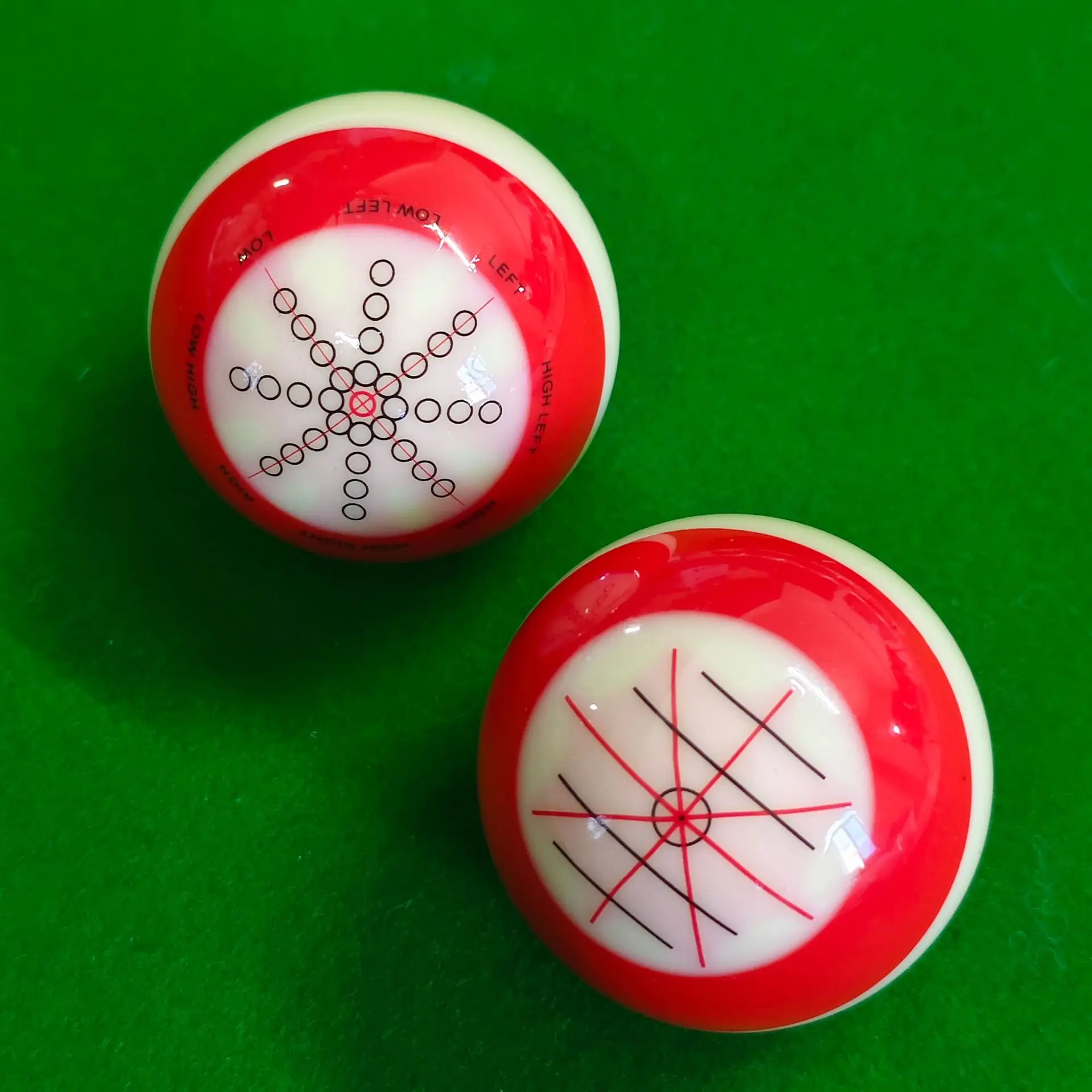
Note the Aramith set is a reds-and-yellows pool set, not full snooker colours — handy to know when you're matching equipment to the game you actually play.
Reading a scoreboard
A snooker scoreboard shows each player's frame score, usually with the current break displayed separately. On TV you'll also see:
- Frame score — total points each player has accumulated in the current frame
- Break — points scored in the current unbroken visit
- Frames — how many frames each player has won in the match (a match is "best of" an odd number)
- Points remaining — often shown to signal when a frame is nearly out of reach
Once you can glance at those four numbers, the drama makes sense instantly: you'll know when a break is building, when a frame is safe, and when someone needs snookers.
The bottom line
Snooker scoring rewards both potting and tactics. Learn the ball values, understand that fouls hand points to the other player, and you'll follow any match — or your own home frames — with confidence. If you want the rules laid out alongside the scoring, a concise primer like Snooker Basics: How to Play Snooker is a good companion to keep near the table.