How to Chalk Your Cue Properly — and Why Skimping on Chalk Costs You Frames
Published · Updated · Mark O'Sullivan

Chalk is the cheapest thing in your case and, frame for frame, one of the most influential. It is the thin layer of grip between your tip and the cue ball, and when it fails you get the dreaded miscue — that sickening skid across the white just as you commit to a screw shot. Most club players know they should chalk up, but far fewer chalk up well. In this guide I want to focus less on the marketing and more on the two things that actually matter: applying chalk properly, and choosing chalk that does its job without fuss.
Why chalk exists in the first place
A polished cue tip on a polished cue ball has almost no friction. The moment you strike off-centre — for side, screw or top — that smooth tip wants to slide rather than grip. Chalk fills the microscopic pits in the leather with a fine abrasive powder, dramatically increasing friction for a fraction of a second so the tip bites and transfers spin instead of sliding off.
That means chalk isn't just insurance against miscues. It's the enabler of every controlled spin shot you play. Weak grip robs you of consistency long before it produces an obvious miscue, so treating chalk as an afterthought quietly caps how well you can cue the ball.
How to chalk your cue the right way
There's a surprising amount of bad technique out there. Grinding the cue into the chalk like you're sharpening a pencil polishes the leather and glazes the block. Here's the approach I recommend:
- Brush, don't drill. Hold the cue still and stroke the chalk lightly across the tip at a slight angle, rotating the cue so you cover the whole dome — not just the centre.
- Aim for even coverage. You want a thin, matt layer over the entire tip surface, especially the edges you use for side.
- Chalk before the shot that needs it, not every shot. Any shot with spin, power or an off-centre strike deserves a fresh coat. A gentle straight pot with a well-chalked tip usually doesn't.
- Don't leave a crater. If you're boring a hole in the block, you're pressing far too hard.
A little care here also protects your tip. If you play a quality layered leather tip such as the Japanese Original KAMUI Clear Cue Tips Billiard Pool Cue KAMUI Tip 14mm SS/S/M/H Snooker Tip Brown 11mm M/MH Billiard Accessory, correct chalking keeps the surface holding chalk properly rather than glazing over.
Choosing chalk: what actually matters
The honest truth is that most affordable chalk works. It's a block of coloured abrasive, and the physics doesn't change dramatically across brands. What varies is consistency — how evenly it applies, how much dust it sheds, and whether it grips reliably on a humid evening. When picking chalk, I look for:
- A firm, even block that doesn't crumble the first time you catch an edge.
- Colour matched to your cloth — traditional green or blue blends into most match tables and shows less on the balls.
- Good grip without excessive dust, so you're not coating the cue ball and cloth every visit.
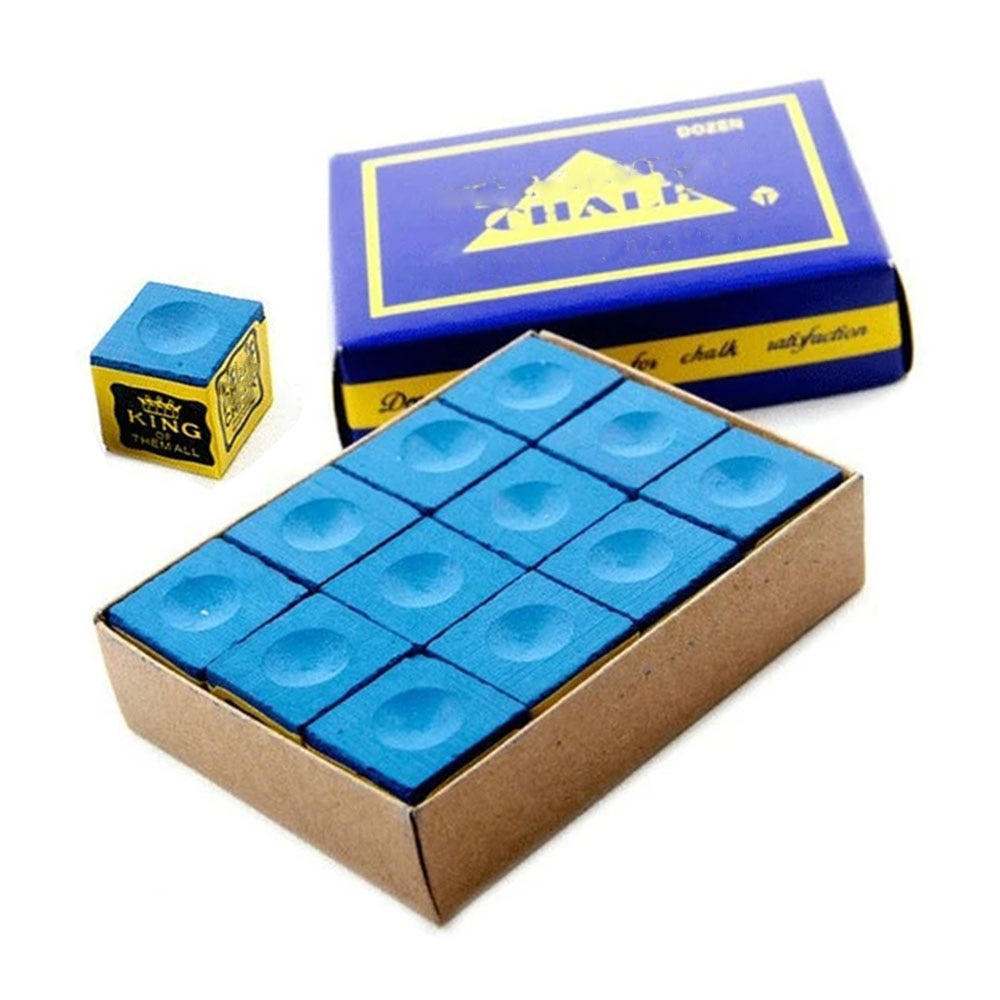
For the vast majority of home and club players, a simple multipack does the job and means you always have a spare in the case, on the shelf and in the car. Something like the 4pcs Cheap Billiards Snooker Cue Chalk Billiard No-slip Chalk Indoor Sport Accessories is the sensible, low-cost option — buy once, stop worrying about it. Just set expectations: these are inexpensive imported blocks, perfectly good for practice and club play, rather than premium boutique chalk with exotic claims.
Chalk works with your tip, not against it
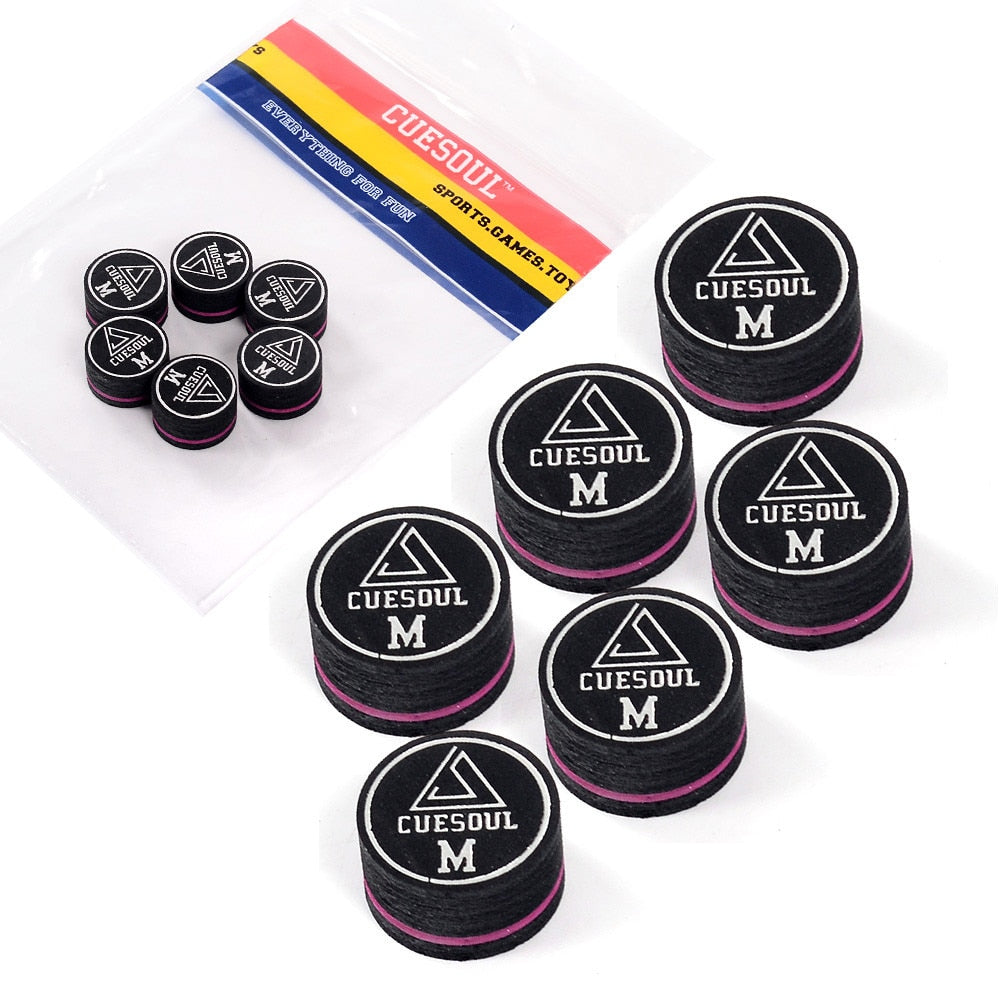
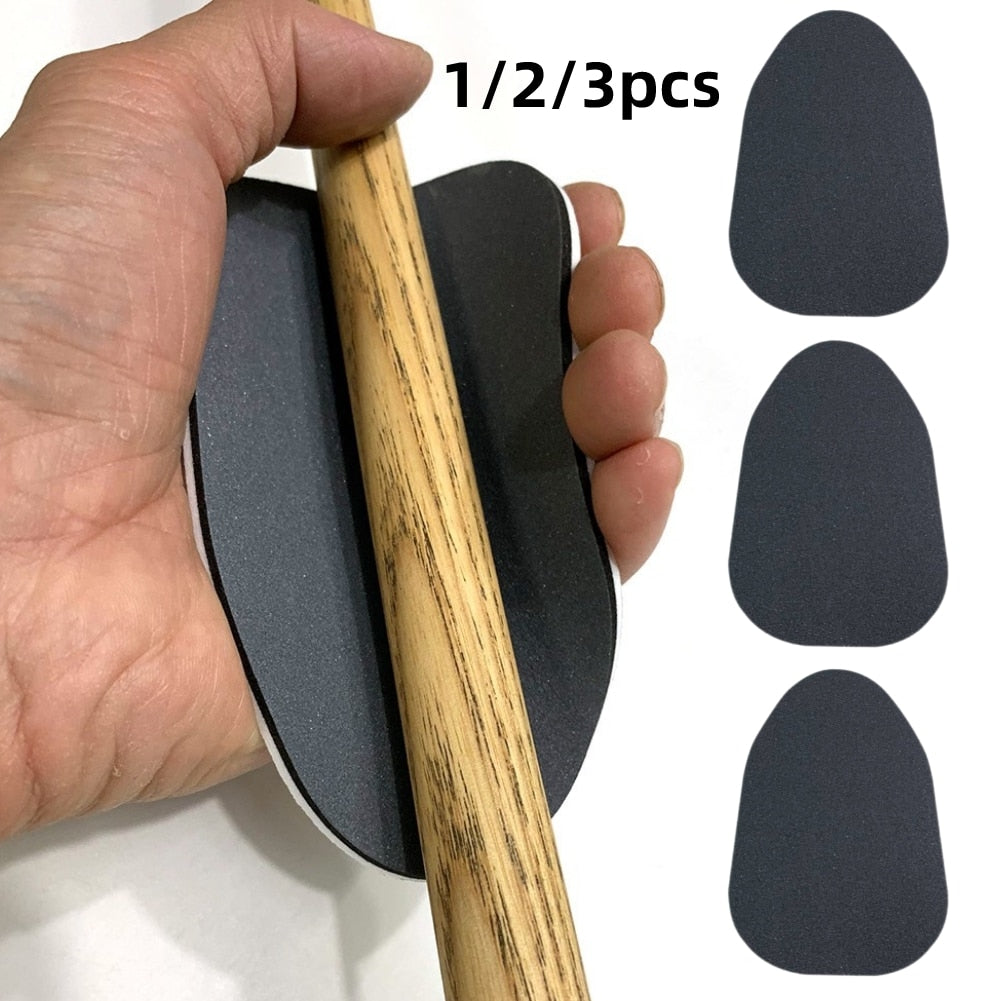
Chalk grip and tip condition are two halves of the same job. A hard, glazed tip won't hold chalk however good the block is, and a fresh, lightly scuffed tip grips far better. If your tip has gone shiny and slick, no amount of chalk fully rescues it — that's when it's worth re-tipping with something like the CUESOUL 6pcs/set 14MM Baked Pig Suede Billiard Snooker Cue Tip & Pool Cue Tip and starting fresh. Keeping the shaft clean matters too; a quick pass with the 1/2/3pcs Professional Billiard Pool Cue Burnisher Cleaner Polisher Home Cleaning Snooker Pole Training Pool Ball Accessories removes chalk build-up so it stays on the tip where it belongs.
Here's a quick look at how the chalk-related essentials compare:
Storage and little habits that keep chalk working
Chalk is cheap, so treat it as consumable rather than precious. A few habits go a long way:
- Keep a spare in your case. A worn-down block on match night is an avoidable annoyance.
- Store it dry. Damp chalk clumps and grips unevenly, particularly in a cold garage or shed.
- Replace worn blocks. Once a block is hollowed out and cracked, it applies unevenly — bin it.
- Wipe your hands and bridge. Chalk dust on your bridge hand makes the cue drag; a glove such as the Spandex Snooker Billiard Cue Glove Pool Left Hand Open Three Finger Accessory for Unisex Women and Men 4 Colors 1Pcs keeps the cue running smoothly through your bridge.
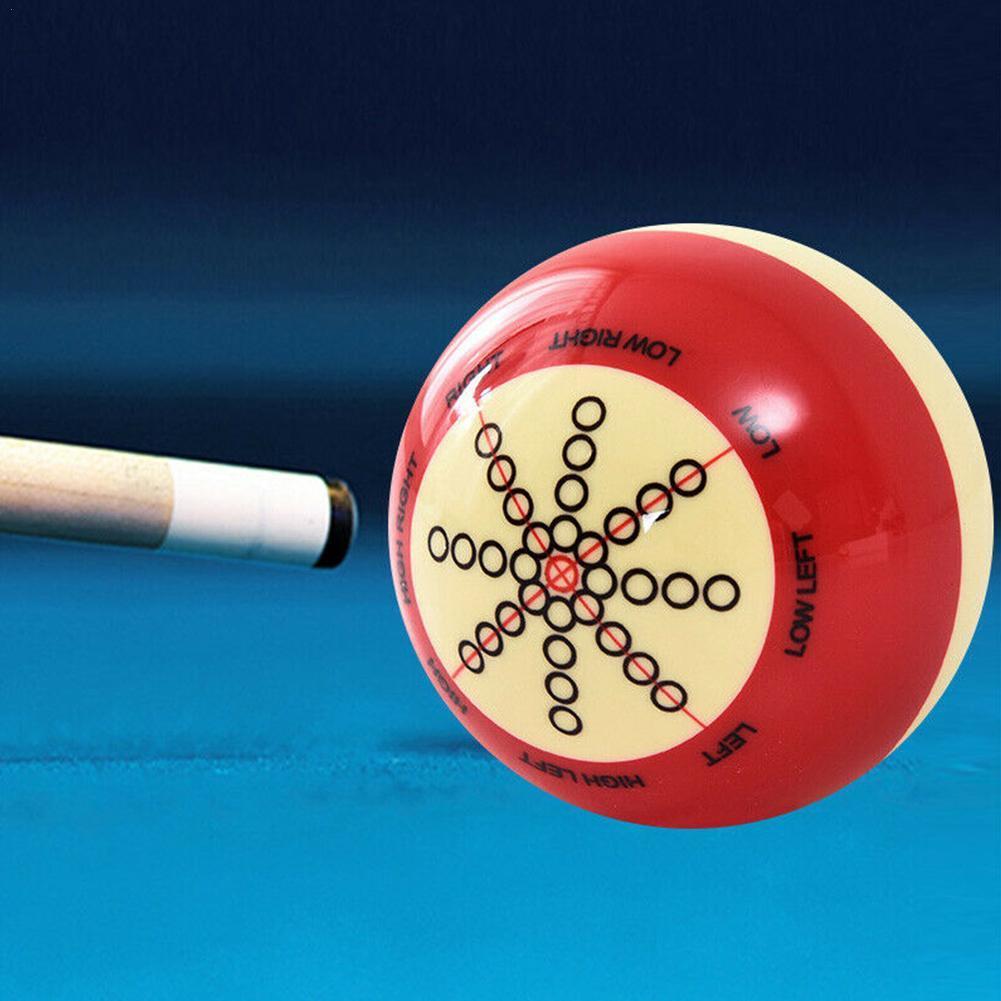
If you're grooving your spin and cue-ball control at home, a dedicated practice ball like the Billiard Cue Ball Durable Resin Billiard Practice Training Pool Cue Ball Snooker Training Balls Cueball 57mm Table Ball Practice lets you experiment with how much chalk and off-centre striking you can get away with before the tip slips.
The bottom line
You don't need expensive chalk to play good snooker — you need decent chalk applied well, a tip that holds it, and the habit of chalking before every shot that asks for spin. Get those three right and miscues become rare events rather than a recurring gremlin. Sort out a reliable multipack, keep your tip and shaft in shape, and you've handled one of the game's most underrated fundamentals for the price of a coffee.