Budget Snooker Accessories Under £20 Worth Buying
Published · Updated · Mark O'Sullivan

Chalk, a glove, a burnisher and a practice ball fix most common snooker frustrations for well under £20 combined.
You don't need to spend a fortune to make a real difference to your game. Some of the cheapest accessories in snooker — a fresh cube of chalk, a smooth glove, a spare practice ball — quietly solve the problems that cost club players the most frames: miscues, a dragging bridge hand, unreachable long shots, and a grubby, sluggish shaft. The trick is knowing which cheap buys earn their place in your bag and which are best left on the shelf.
A word of honesty before we start: almost everything in this price bracket is imported and made to a price. That's not a criticism, it's why it's cheap, and for straightforward jobs like holding chalk or resting a bridge hand it's perfectly serviceable. Just set your expectations sensibly, buy against a problem you actually have rather than filling a basket for the sake of it, and treat the cheapest items as consumables. Below is a buy-first-to-buy-last guide to the sub-£20 kit that genuinely works.
Start with chalk — the cheapest way to play better
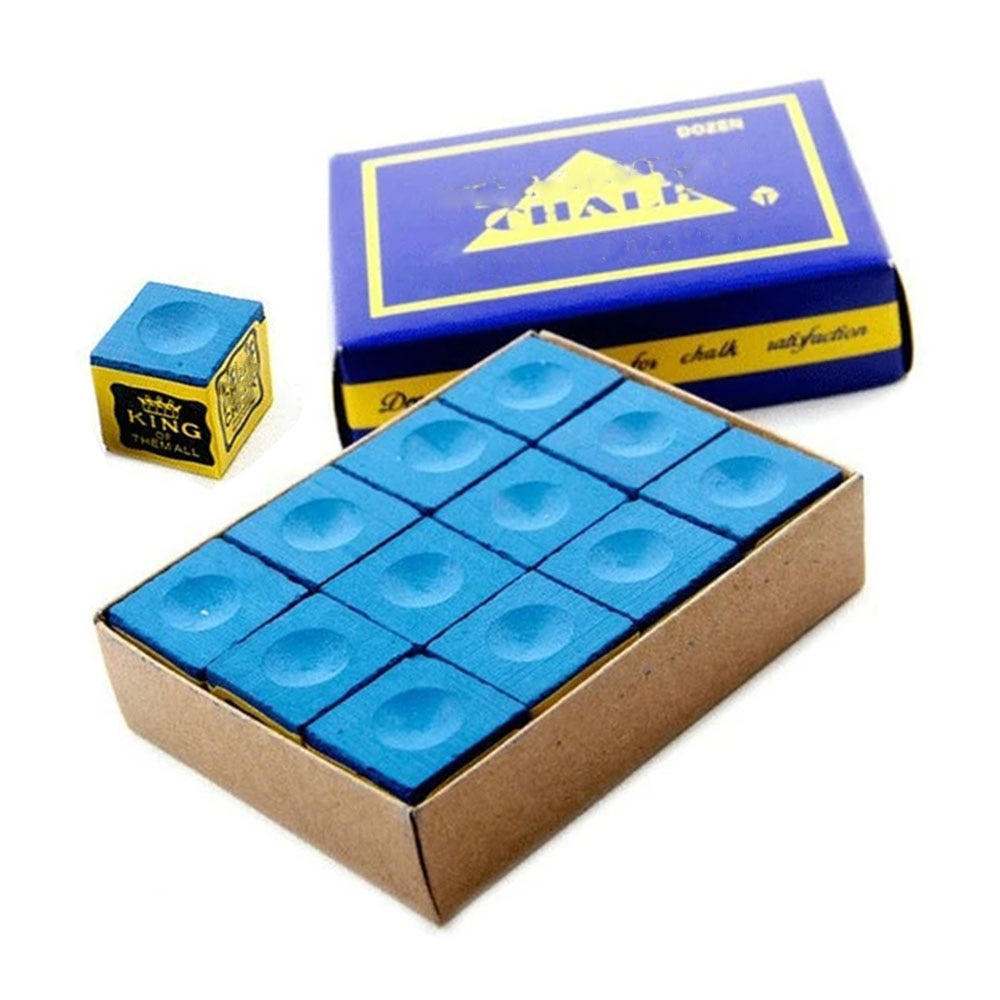
If you own one accessory beyond your cue, make it decent chalk. A worn, glazed cube is behind more miscues than most players realise, because it lets the tip slip sideways on the cue ball instead of gripping it. A multipack such as the 4pcs Cheap Billiards Snooker Cue Chalk Billiard No-slip Chalk Indoor Sport Accessories gives you enough to keep one cube in your case, one by the table, and spares for when they inevitably go walkabout.
Don't expect tournament-level consistency from budget chalk — the grain can be slightly coarser and dustier than the premium brands professionals use — but for practice and casual club play it does the essential job. Chalk lightly before every shot that carries side or power, spread it thinly across the whole tip rather than grinding it into a crater, and swap a cube out once it goes glassy and shiny.
A glove for a smoother, drag-free bridge
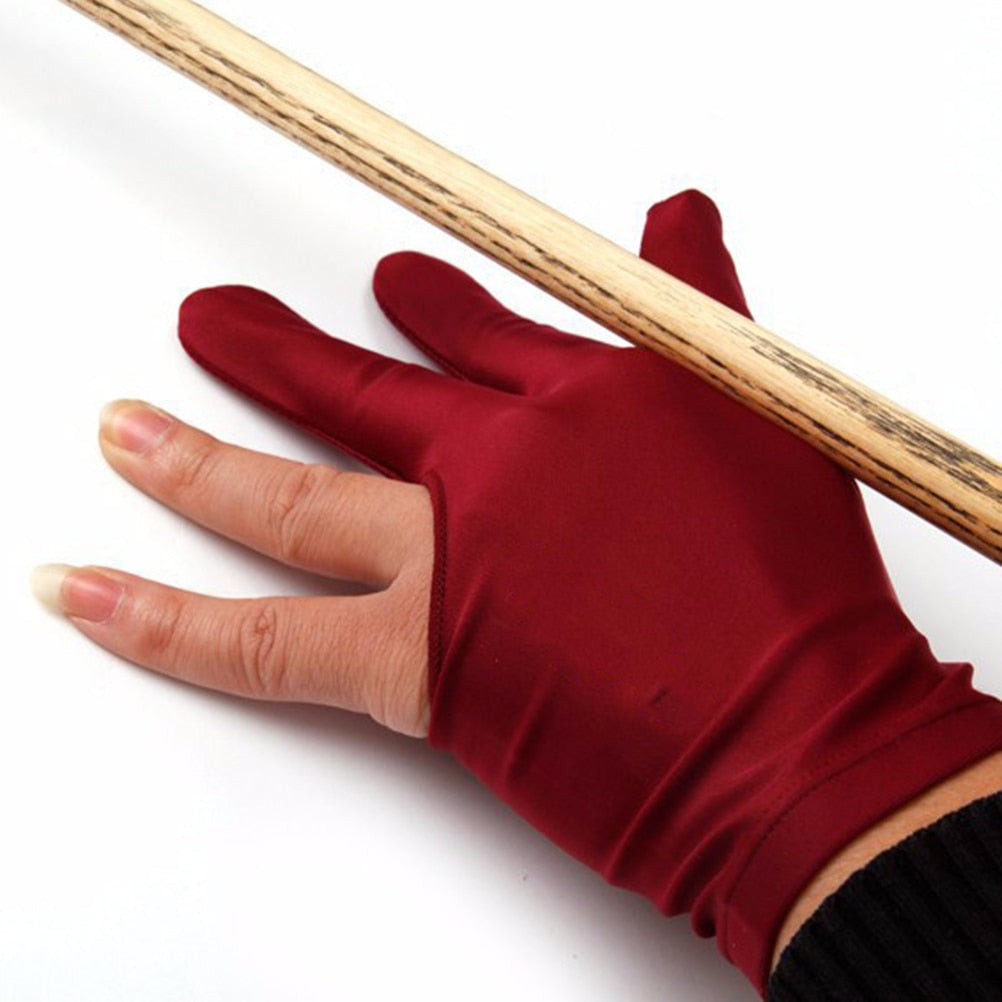
Sticky hands are the quiet enemy of a straight cueing action. If your bridge hand drags on humid evenings, or you simply run warm, a three-finger glove keeps the shaft gliding cleanly without you resorting to talc or a constant wipe-down. The Spandex Snooker Billiard Cue Glove Pool Left Hand Open Three Finger Accessory for Unisex Women and Men 4 Colors 1Pcs is an inexpensive way to test whether you like the feel before spending more on anything fancier, and it's cheap enough that trying it is close to a no-brainer.
If you'd rather spend even less, the Snooker Billiard Glove EmbroideryBillard Gloves Left Hand Three Finger Smooth Biliardo Guanti Accessories Fingerless Gloves does the same basic job for barely more than the price of a coffee. Two honest caveats apply to both: budget gloves run small and sizing can be inconsistent, so size up if you're in between, and most listings are made for a specific bridge hand — right-handers cue with the left hand as the bridge, so check before you order. A glove is also a personal preference rather than a requirement; plenty of players get the same result from clean hands and nothing more.
A practice cue ball you won't fret about
Solo practice is where real improvement happens, and a spare resin ball means you're not risking your matched set during heavy drilling. The Billiard Cue Ball Durable Resin Billiard Practice Training Pool Cue Ball Snooker Training Balls Cueball 57mm Table Ball Practice is cheap enough to knock about for stun, screw and swerve drills without worry, and it's equally handy if your home set is simply missing a ball or the existing one has gone yellow and chipped.
It won't match a premium branded ball for weight tolerance or true roll, so keep it for training rather than serious frames, and check the 57mm diameter suits your table and set before buying — some home tables and pool-style sets use a different size. For grooving your cue action and spotting unintentional side, though, it's more than good enough.
Keeping your cue clean and organised
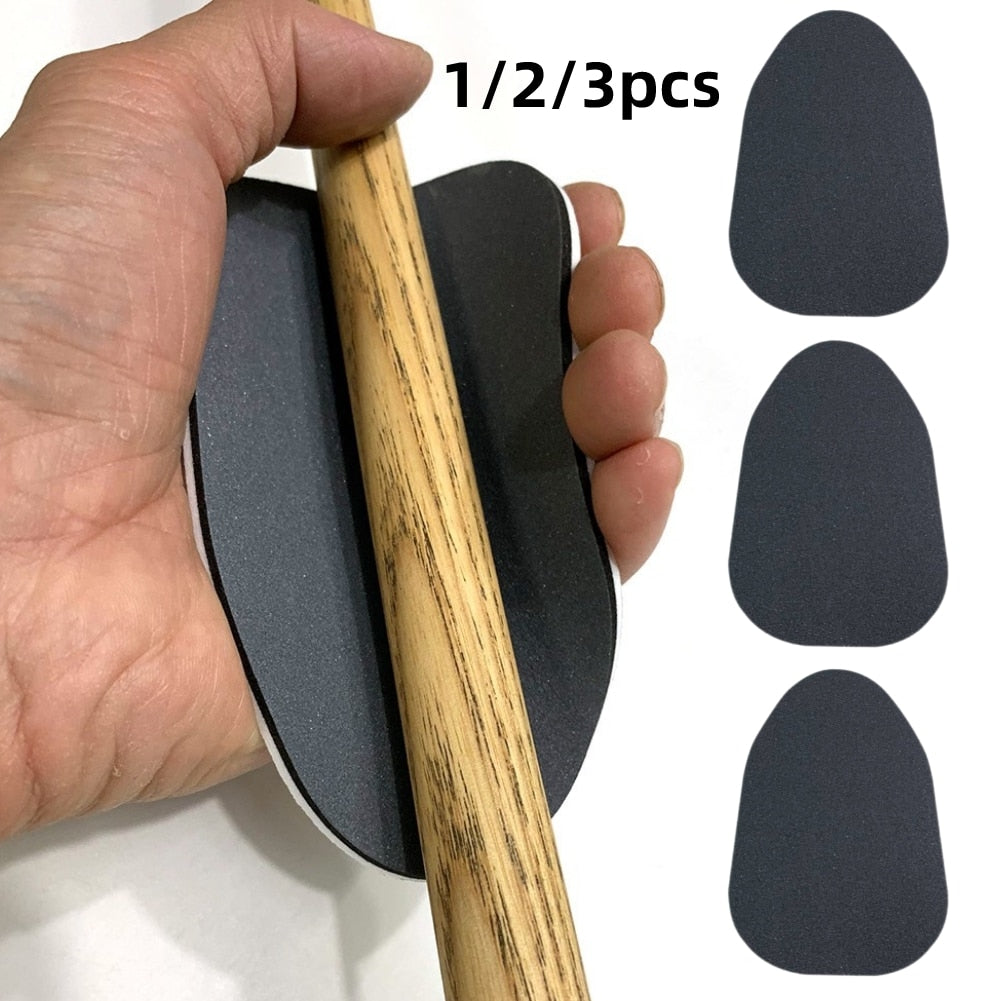
Two small buys tidy up your whole setup. A burnisher and cleaner such as the 1/2/3pcs Professional Billiard Pool Cue Burnisher Cleaner Polisher Home Cleaning Snooker Pole Training Pool Ball Accessories lifts off chalk residue and hand oils, then polishes the shaft so it runs faster through the bridge — a two-minute job that makes a tired cue feel fresh again. Use it dry, working along the grain rather than around it, and go lightly and regularly rather than scrubbing aggressively once a year.
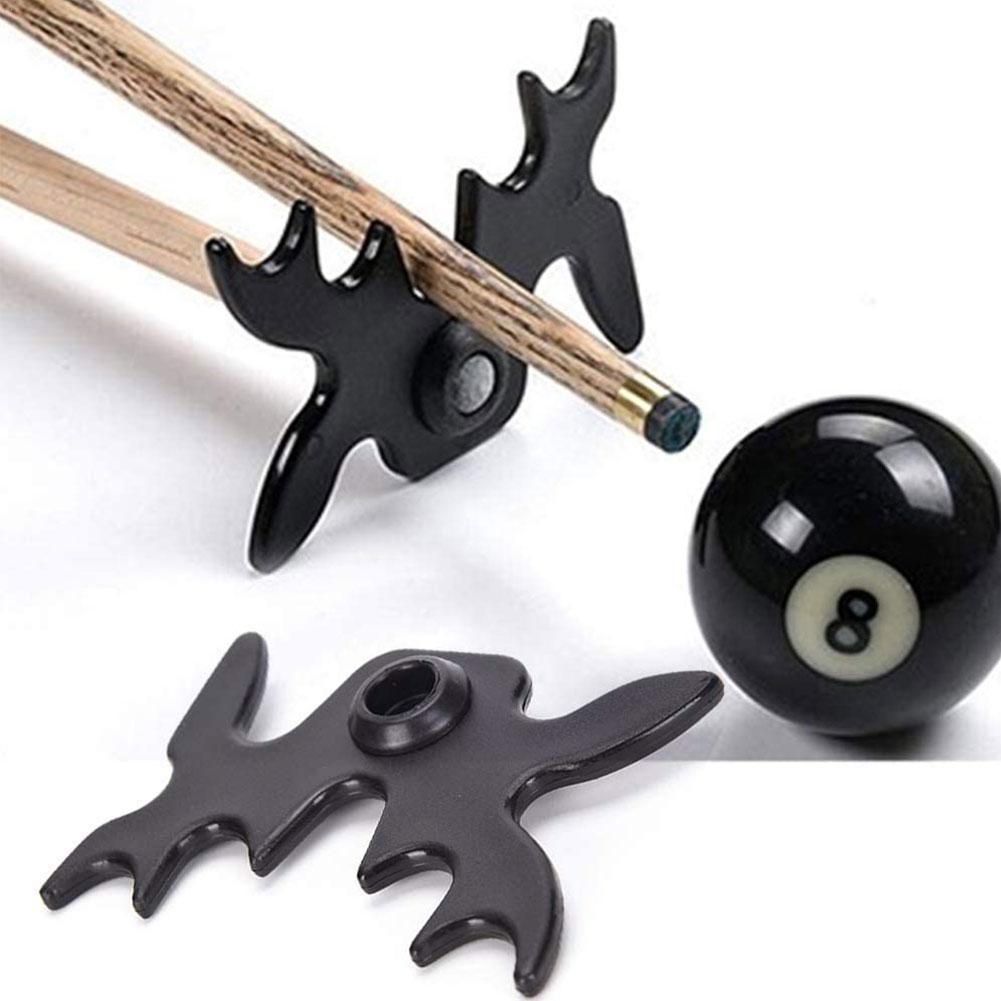
And if cues are leaning in corners at home, a wall or table-edge holder like the Billiards Cue Rack Bridge Head Cross Antlers Rod Holder Snooker Pool Plastic Staghorn Shape 2 Color keeps them supported and off the floor, which is exactly how tips get chipped and shafts get warped in the first place. It's plastic and basic rather than a showpiece, but for a few pounds it does the one job it needs to.
The extender that saves your reach
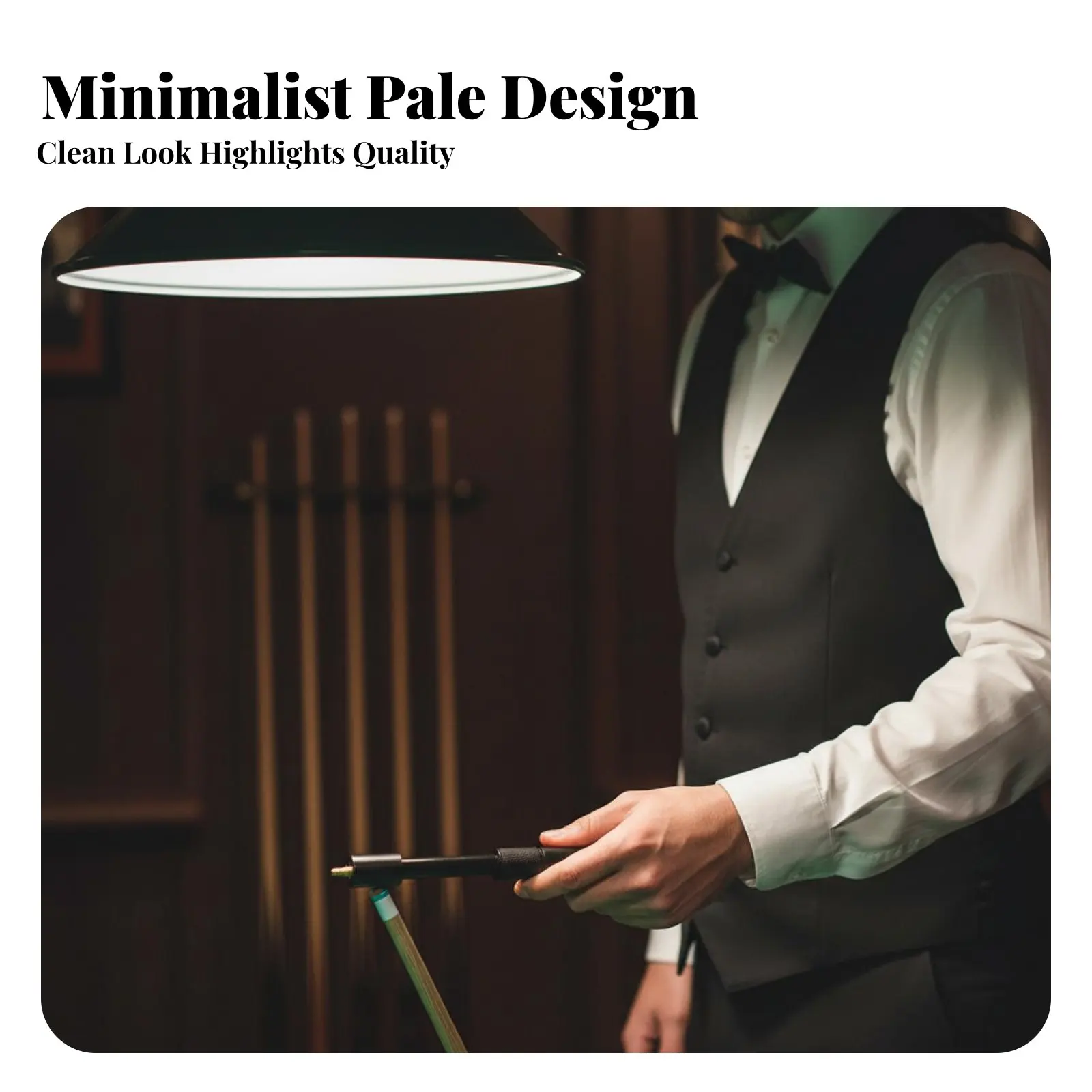
Long shots over the baulk cushion, or anywhere on a home table pushed against a wall, are where amateurs lose their cue action. A telescopic add-on like the Snooker Cue Extender Adjustable Length Telescopic Cue Extension slides onto the butt and gives you extra length so you can keep a proper bridge and stay down on the shot, instead of stretching and losing control.
Check the fit against your cue's butt diameter before buying, as these are designed to a generic size and can be snug or loose depending on the cue, and don't expect it to feel identical to a purpose-machined rear extension. For casual and home play, though, it removes one of the most common causes of missed long pots for the price of a pint or two.
The one 'nearly premium' upgrade worth knowing about
Almost everything above costs only a few pounds, but the one place a bigger slice of a £20 budget genuinely shows on the table is the tip. If you're re-tipping a cue you care about, a layered tip such as the Japanese Original KAMUI Clear Cue Tips Billiard Pool Cue KAMUI Tip 14mm SS/S/M/H Snooker Tip Brown 11mm M/MH Billiard Accessory holds its shape and grips chalk far more consistently than a generic tip. Match the diameter to your ferrule and pick a hardness that suits your game — medium is a safe all-rounder — and unless you're confident re-tipping yourself, budget for a cue technician to fit it properly. It's more of a considered investment than an impulse buy, but the payoff in feel is real.
What to skip at this price
Not everything cheap is worth it. Ultra-low-cost screw-on tips, such as a 10PCs/set Screw On Cue Tips For Billiard Pool Cue Stick and Snooker Cue Replacement Parts Stick Repair Tool for Snooker 10mm Hot, are handy as an emergency stopgap for a house cue, but they never feel as good as a properly fitted glue-on tip. Treat them as a temporary fix rather than an upgrade, and never let a cheap tip find its way onto a cue you actually care about — that's a false economy. Be wary, too, of buying the very cheapest version of everything at once; you'll often replace it within months and end up spending more overall than if you'd bought slightly better the first time.
How the budget buys compare
Here's a quick side-by-side of the sub-£20 accessories most club players actually reach for.

Where to spend, where to save
My rule of thumb: save on the consumables you'll replace anyway — chalk, practice balls, gloves — and spend a little more only where quality genuinely shows on the table, such as a decent tip once you're ready to have it fitted. Buy against a real problem rather than filling a basket for the sake of it: a dragging cue means a glove, a tacky shaft means a burnisher, a shot you can't reach means an extension. If you're building a bag from nothing, a sensible order is chalk first, then a glove, then a burnisher, then a practice ball, then an extension and a rack for tidiness, and a tip upgrade only once you're ready to have it fitted.
None of this will turn a beginner into a break-builder overnight, and that's not the job. What it will do is remove the small, nagging annoyances — miscues, sticky bridges, warped cues, unreachable shots — that quietly cost you frames. For more on keeping the rest of your kit in shape, see our guides on cue maintenance and essential snooker accessories.
Frequently asked questions
What's the single best budget snooker accessory to buy first?
Chalk, without question. A fresh, no-slip cube costs very little and directly reduces the miscues that ruin more shots than any other single fault. Everything else on this list is a smaller, more situational improvement by comparison.
Are budget snooker gloves actually worth using?
Yes, for the price they're one of the easiest wins in the game if your bridge hand ever drags or feels sticky. They won't feel as refined as a premium branded glove and sizing runs small, but the core benefit — a smooth, consistent slide — is the same.
Will a cheap resin practice ball damage my table or cloth?
No, a durable resin training ball is designed for normal play and drilling, and is no harder on the cloth than a standard cue ball. Just check the diameter matches your existing set before buying, since sizes vary between snooker and pool-style balls.
Do I need a cue extension if I play on a full-size table?
Only if you regularly find yourself stretching over the table for long shots without a rest to hand. It's a genuinely useful fix for that specific problem, but check the fit against your cue's butt diameter first, as budget extensions vary in how snugly they grip.
How often should I use a cue burnisher?
Lightly and regularly beats aggressively and rarely — a quick wipe and burnish every week or two keeps the shaft feeling fast without risking the finish. Always work along the grain, and don't expect it to rescue a badly warped or waterlogged cue.
Are screw-on replacement tips a good substitute for a proper tip?
They're a useful emergency stopgap for a house cue or a spare, but they don't feel as good as a properly fitted glue-on leather tip. Treat them as a temporary fix rather than an upgrade, and avoid putting one on a cue you actually care about.
Is it worth spending closer to £20 on a single item rather than spreading it across several?
It depends on the problem you're solving. Spreading a small budget across chalk, a glove and a burnisher fixes several everyday frustrations at once, whereas spending nearer £20 makes most sense for a quality tip, which is the one accessory here where price genuinely correlates with feel.
What should I avoid buying at the very cheapest end of the market?
Be wary of buying the absolute cheapest version of everything at once, since it often needs replacing within months and ends up costing more overall. Also avoid fitting a bargain tip to a cue you value, and always check sizing and fit — glove hand, ball diameter, extension fit — before ordering.