How to Read a Snooker Cue Listing: A Beginner's Buying Guide
Published · Mark O'Sullivan

Buying your first snooker cue online can feel like reading a foreign language. Listings are crammed with numbers — 9.8mm, 3/4, 57 inches, 18oz — and a lot of it is written for people who already know what they want. This guide walks you through exactly what those specs mean, what actually matters for a beginner, and how to spot a sensible first cue without overpaying.
A quick word of honesty first: most cues in this price bracket are imported, mass-produced and shipped from overseas. That's fine — they're perfectly playable and represent excellent value — but set your expectations accordingly. You're buying a solid, reliable starter cue, not a hand-turned English one-piece that costs ten times as much.
Tip size: the number that matters most
The tip diameter is usually the first figure you'll see, and for good reason. Snooker cues typically run 9mm to 10mm, which suits the small, precise contact needed on a snooker ball. Pool and American-style cues are chunkier, often 11mm to 13mm.
- 9.5–9.8mm: the traditional snooker range. Great for accuracy and cue-ball control.
- 10–10.2mm: a touch more forgiving on off-centre hits — a sensible choice if you're still building your technique.
- 11mm+: better suited to pool or casual play on a smaller table.
You'll notice some cues list two figures, such as the 2019 NEW Updated HY Cuppa Snooker Cue Stick 9.5mm 9.8mm 11.5mm Tip Snooker Cue Case Set, because they're offered in more than one tip option. Pick the smaller size for genuine snooker and the larger for occasional pool.
Joint type: one-piece vs 3/4
The next thing to decode is how the cue comes apart. A one-piece cue plays beautifully because there's no join to interrupt the flow of the shaft — but it's roughly 57 inches long and awkward to transport and store. A BS New Arrival One Piece Billiard Snooker Cue Stick 10.2mm Tip with Hard Snooker Cue Case Set is ideal if you have a table at home and don't need to travel with it.
A 3/4-jointed cue splits with the joint about three-quarters of the way up. It keeps most of the one-piece feel but packs down into a case for easy carrying — perfect for taking to a club. Cues like the NEW Cuppa 3/4 Snooker Cues Stick 9.8mm 11.5mm Tip with Snooker Cue Case Set and the New Arrival Cuppa 3 /4 Snooker Cues Sticks 9.8mm Tips Snooker Cue Brands China give you that portability while still playing like a proper snooker cue.
My advice for beginners: unless you're certain the cue will never leave your house, a 3/4 is the more practical shout.
Shaft wood: ash or maple
Listings will usually name the shaft timber. Ash shows visible grain arrows and gives clear feedback through the shot — it's the traditional snooker choice. Maple is paler, smoother-looking and feels a little softer in the hand. Neither is objectively better; it's a matter of feel and looks. As a first cue, don't overthink it — buy whichever appeals and get on with practising.
Weight and length
Standard snooker cues are around 57 inches and weigh roughly 17–19oz. A mid-weight cue suits most players. Too light and it can feel flighty; too heavy and it tires your arm. Budget listings don't always state an exact weight, so if precision matters to you, favour a seller who does.
What's included: cases and extras
Many beginner cues bundle a case, which is genuinely useful — a bare cue left leaning against a wall will warp. Check whether the listing includes a hard or soft case, and whether an extension is supplied for those long reaches across the table. If not, a separate Snooker Cue Extender Adjustable Length Telescopic Cue Extension is an inexpensive fix.
Comparing a few sensible starters
Here's a quick side-by-side of first-cue options across different needs and budgets:
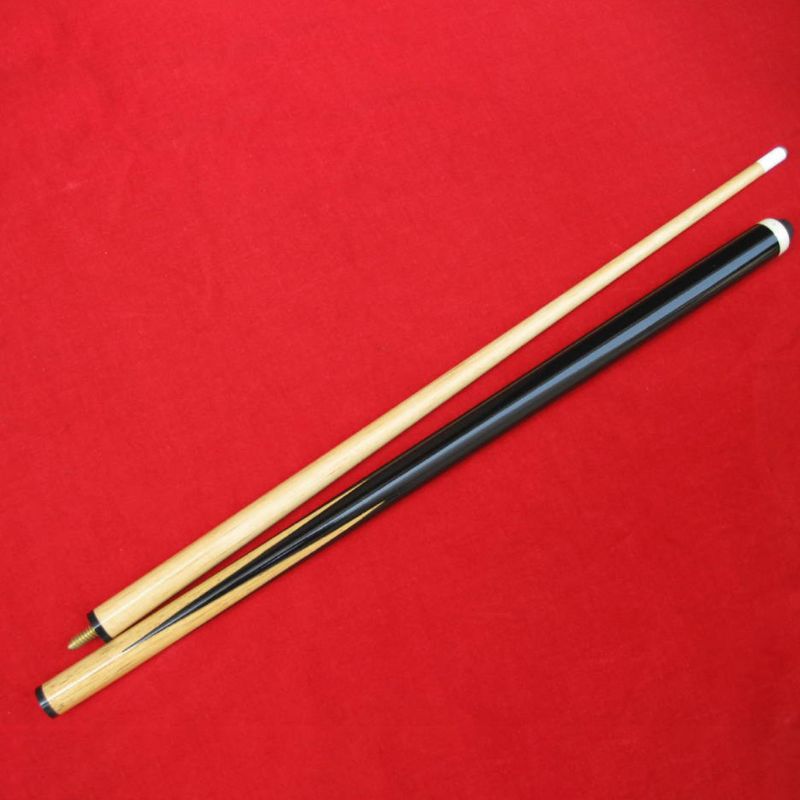

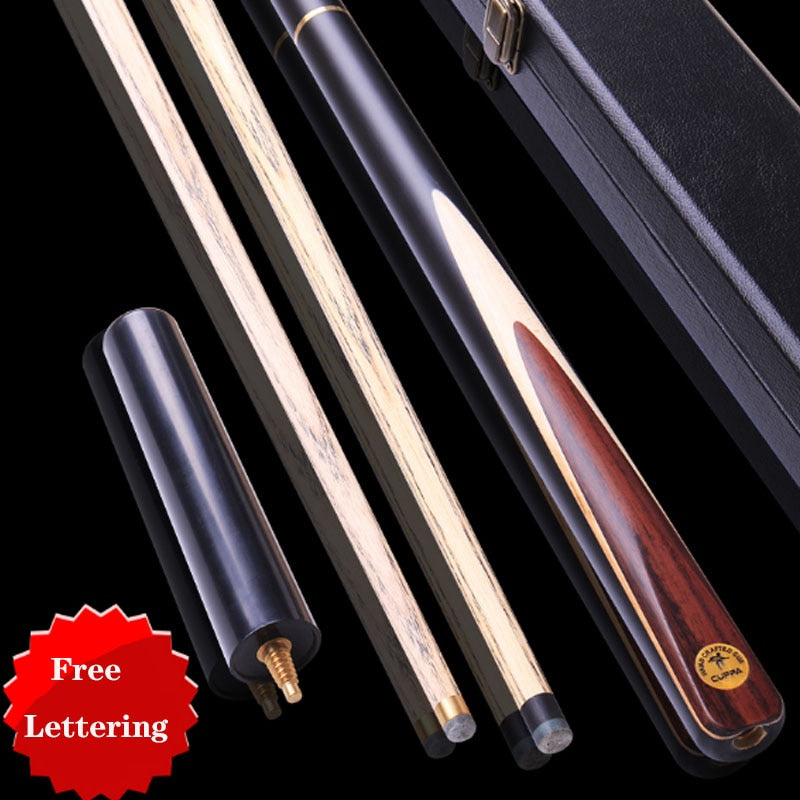
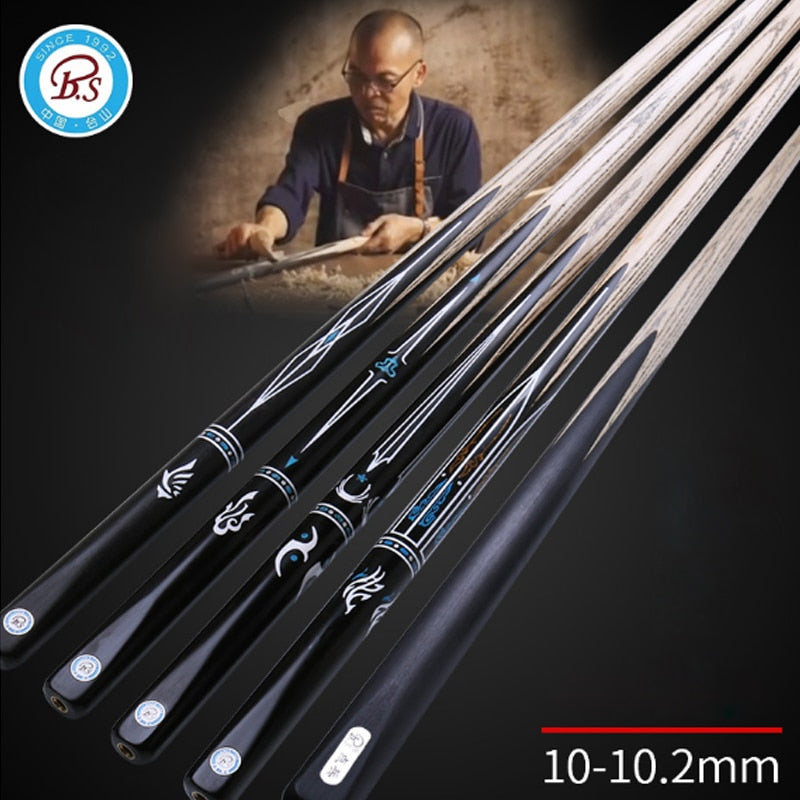
At the very bottom end, a basic wooden set like the 2 Pcs 145cm/57inch American Snooker Wood Pool Cue Assemble Children Adult Home Billiards Exercising Entertaining Tools Supply is fine for knocking balls about with the family, but it won't reward improving technique the way a dedicated snooker cue will. If you're serious about learning, a jointed Cuppa is the smarter first purchase.
Don't forget the cheap essentials
A great cue is wasted without decent chalk. Cheap, reliable chalk like this 4pcs Cheap Billiards Snooker Cue Chalk Billiard No-slip Chalk Indoor Sport Accessories costs pennies and prevents miscues — genuinely the best value upgrade a beginner can make. Buy it at the same time so you're ready to play the moment your cue arrives.
The bottom line
For most beginners, the sweet spot is a 9.8mm–10mm tip, 3/4-jointed cue with a case included, in a weight that feels comfortable in your hands. Decode the listing, ignore the marketing fluff, and match the spec to how and where you'll actually play. Get those basics right and you'll have a cue that carries you well beyond your first few frames.